HVAC Service in Wenatchee, WA

Scroll down to discover more
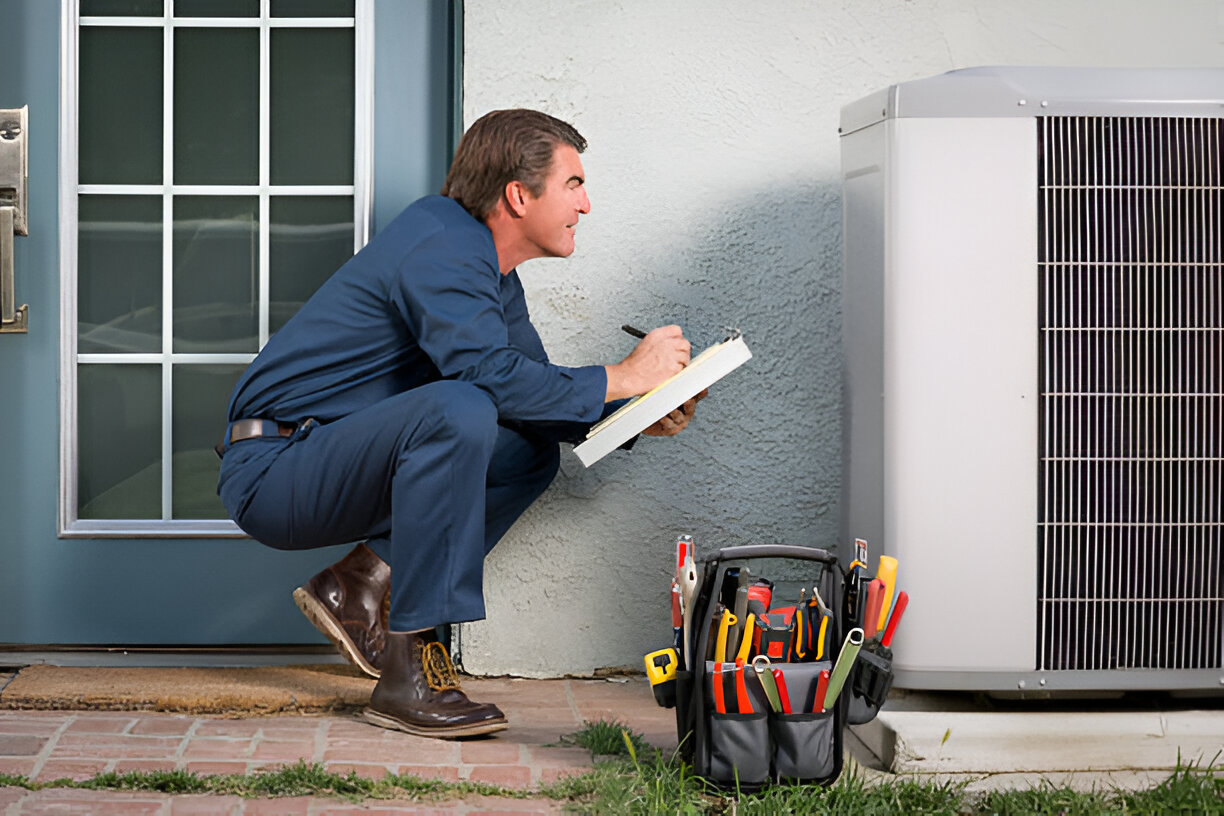
Keeping your home comfortable through Wenatchee’s hot, dry summers and cold winter nights requires HVAC systems that are properly sized, maintained, and diagnosed quickly when something goes wrong. Our HVAC Service in Wenatchee, WA explains the full range of professional heating and cooling work homeowners need: fast diagnostics, reliable repairs, full installations and replacements, and preventive maintenance tailored to valley climates, orchard dust, seasonal wildfire smoke, and wide day-night temperature swings.
Why timely HVAC service matters in Wenatchee
Wenatchee homes face large diurnal temperature swings, low humidity, seasonal wildfire smoke, and orchard-related dust. Those conditions place extra stress on filters, coils, and controls, increasing the importance of regular tune-ups and rapid repairs. Prompt service reduces energy use, extends equipment life, maintains safe combustion for furnaces, and improves indoor air quality when smoke or allergens are present.
Common HVAC problems in Wenatchee homes
- Poor cooling on hot summer afternoons — often caused by low refrigerant, dirty coils, or airflow restriction.
- Uneven heating during cold snaps — common with aging furnaces, improperly sized heat pumps, or duct leaks.
- Short-cycling heat pumps and AC units — usually electrical issues, thermostat problems, or incorrect sizing.
- High indoor dust and reduced airflow — from clogged filters, leaky ducts, or failing air handlers, worsened by orchard dust.
- Ignition or pilot failure in furnaces — needs combustion testing and safety checks.
- Smoke-impacted indoor air — requires filter upgrades, IAQ assessments, and air cleaning solutions.
- Mini-split issues — refrigerant leaks, communication errors, or blockage in the outdoor unit.
Comprehensive services we provide
- Diagnostics and troubleshooting for central air systems, furnaces, heat pumps, and ductless mini-splits.
- Routine service calls and seasonal tune-ups to optimize efficiency before peak cooling and heating seasons.
- Full installations and replacements, including system sizing, load calculations, and ductwork evaluation.
- Repairs for electrical, refrigerant, blower motors, compressors, ignition systems, and controls.
- Preventative maintenance plans and service agreements that include priority scheduling and factory-recommended inspections.
- Indoor air quality assessments and solutions: filtration upgrades, UV germicidal options, and humidity management.
- Duct testing and sealing for improved comfort and lower energy loss.
How we diagnose HVAC issues
- Visual inspection: equipment, filters, ductwork, outdoor unit, and visible wiring to identify obvious faults.
- System-level checks: measure static pressure, airflow, refrigerant pressures, and temperature differentials.
- Electrical and control tests: verify capacitors, contactors, relays, thermostats, and safety switches.
- Combustion and safety tests for gas furnaces: check venting, flame quality, and carbon monoxide risks.
- Performance review: compare current output to expected performance based on load calculations and manufacturer specs.
- Clear communication: explain findings in plain language, outline repair options, parts needed, and estimated timelines.
Typical response times
- Emergency situations (no heat in winter, no cooling during extreme heat, or safety hazards) are handled as a top priority with same-day or near-term response when available.
- Routine service calls and non-emergency repairs are typically scheduled within 24 to 72 hours depending on season and workload. Peak summer and winter seasons naturally increase demand, which can affect availability.
- Installation and replacement project timelines include an initial on-site evaluation and a follow-up estimate, with scheduling options that account for permitting and equipment lead times.
Installation and replacement approach
- Proper sizing: complete Manual J load calculations to determine the right capacity for your home or business in Wenatchee’s climate.
- Equipment selection: recommend systems based on efficiency, reliability, and suitability for local conditions (high-efficiency heat pumps, central air, or ductless mini-splits for retrofits).
- Installation best practices: refrigerant handling, correct duct connections, proper condensate management, correct electrical wiring, and thermostat setup for zoning and controls.
- Post-installation validation: testing run cycles, measuring operating pressures and temps, and instructing homeowners on system operation and maintenance basics.
Service agreements and maintenance plans
Maintenance plans typically combine seasonal tune-ups (spring for cooling, fall for heating) with routine filter reminders, priority scheduling during high-demand periods, and documented service history.
Typical components:
- Biannual or annual inspections and cleanings
- Safety and efficiency checks (refrigerant, combustion, airflow)
- Filter reminders or replacements
- Priority booking during peak seasons
- Discounted diagnostic fees or repair labor within plan terms
These agreements help reduce emergency breakdowns, keep manufacturer warranties valid, and maintain peak efficiency for systems in Wenatchee’s unique environment.
Brand and technical expertise
Technicians are trained to work on major manufacturers and modern platforms, including high-efficiency heat pumps, variable-speed furnaces, and advanced mini-split systems. Manufacturer-trained service supports warranty coverage and ensures systems are installed and serviced to factory standards. For homes in Wenatchee and surrounding areas that may qualify for utility rebates or incentives, certified installations and documented efficiency upgrades are often required; verify eligibility with local utilities.
Preventive maintenance tips for Wenatchee homeowners
- Replace or clean filters every 1–3 months during heavy use, and more often when wildfire smoke or orchard dust is present.
- Keep outdoor units clear of debris and vegetation during spring and summer.
- Schedule pre-season tune-ups: air conditioning in spring, heating systems in fall.
- Consider a whole-home air cleaner or MERV-rated filters if smoke events are frequent.
- Monitor thermostat scheduling and insulation seals to reduce cycling and improve comfort.
Benefits of proactive HVAC care
Regular service keeps systems safer, reduces emergency repairs, lowers energy bills, and preserves indoor air quality—especially important in Wenatchee’s valley microclimate. Properly maintained equipment also lasts longer and maintains manufacturer warranties, protecting your investment and ensuring consistent comfort year-round.
FAQs
Q: How often should I have my HVAC system serviced in Wenatchee?
A: Most homes benefit from a heating tune-up in fall and a cooling tune-up in spring. Annual inspections of heat pumps or furnaces plus filter changes every 1–3 months are recommended, with more frequent attention during wildfire season or high dust periods.
Q: What does a typical HVAC tune-up include?
A: A tune-up typically includes filter inspection/replacement, cleaning coils and burners, checking refrigerant levels and pressures, testing electrical components and safety controls, lubricating moving parts, and verifying system airflow and thermostat operation.
Q: How do I know if my heat pump or AC needs repair or replacement?
A: Warning signs include frequent cycling, steadily rising energy bills, reduced heating/cooling capacity, unusual noises, or long running times with little temperature change. An on-site diagnostic will determine whether repair or replacement is the most cost-effective option.
Q: Are mini-splits a good option for older Wenatchee homes without ductwork?
A: Yes. Ductless mini-splits offer targeted heating and cooling, high efficiency, and minimal installation disruption, making them ideal for older homes or additions where ducted systems are impractical.
Q: What can I do about indoor air quality during wildfire smoke events?
A: Use high-efficiency filters rated MERV 13 or higher when compatible with your system, run the fan on circulation, consider portable air cleaners, and have your HVAC system inspected for proper sealing and filtration capability.
Q: Do service agreements affect manufacturer warranties?
A: Regular documented maintenance is often required to keep manufacturer warranties valid. A maintenance agreement helps ensure scheduled service is performed and records are kept to support warranty claims if needed.