
HVAC Service in George, WA

Scroll down to discover more
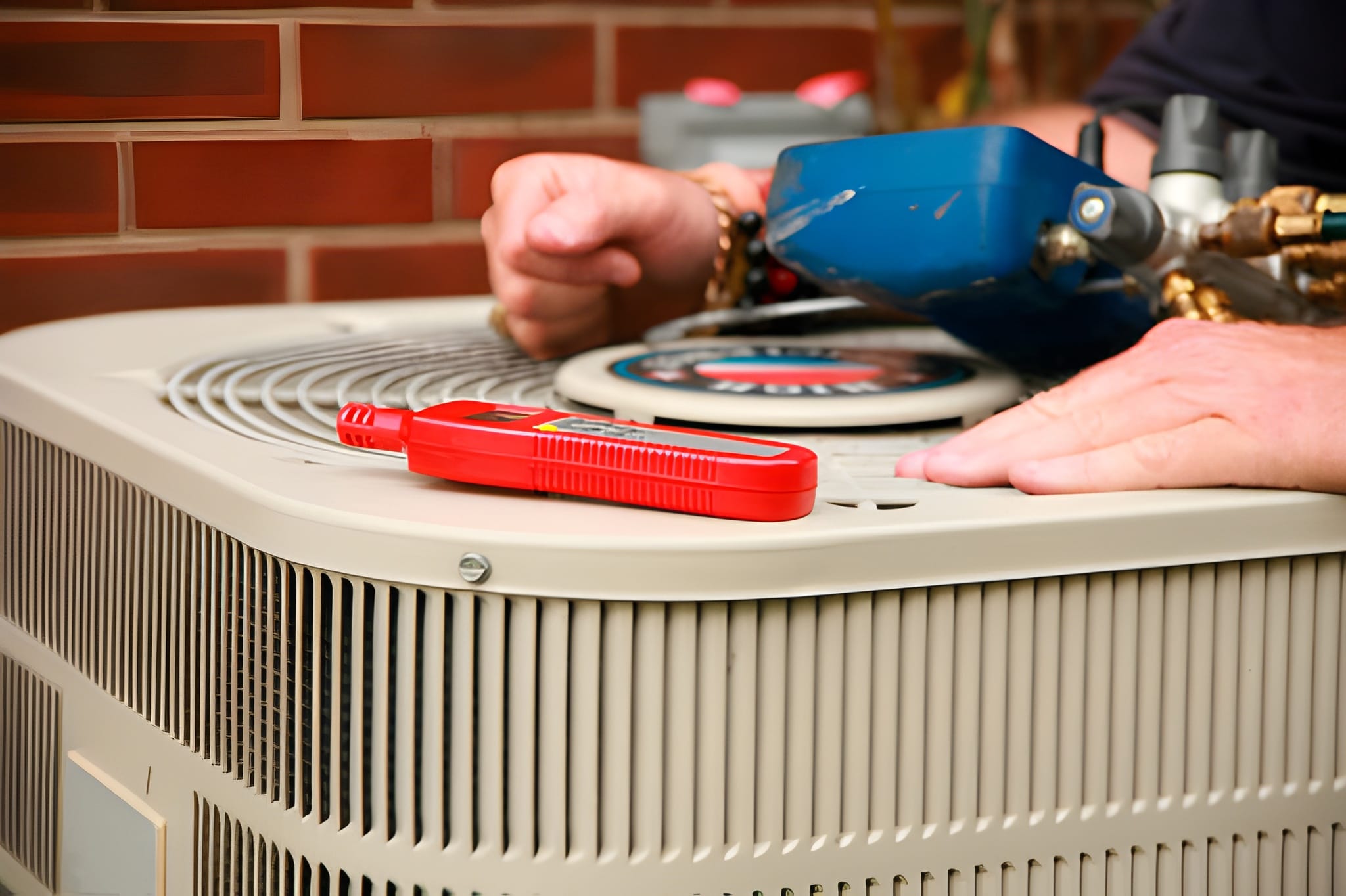
Keeping your home comfortable year round in George, WA means having an HVAC system that responds to hot, dry summers, cool nights, and occasional poor air quality. Whether you need installation, repair, maintenance, or an efficiency upgrade, professional HVAC service tailored to George homes prevents unexpected breakdowns, lowers energy use, and improves indoor air quality amid regional dust and smoke concerns.
Common systems serviced in George, WA
We routinely work on the systems most homeowners rely on in this region:
- Heat pumps (air source and ductless) — popular for year round heating and cooling efficiency.
- Furnaces — gas and electric furnaces for reliable winter comfort.
- Central air conditioners — split systems and packaged units for whole-home cooling.
- Mini-splits and ductless systems — ideal for additions, conversions, or homes without ducts.
- Ductwork and ventilation — sealing, insulating, and balancing ducts to reduce dust and improve airflow.
- Indoor air quality equipment — filters, UV lights, and ventilation upgrades useful during wildfire smoke season.
Common HVAC issues in George homes and what they mean
- Uneven temperatures between rooms
- Often caused by duct leaks, poor zoning, or an undersized system.
- Rising energy bills without behavior changes
- Could indicate failing components, dirty coils, or poor refrigerant charge.
- Weak airflow or short cycling
- May point to clogged filters, failing blower motors, or incorrect system sizing.
- System not starting or making unusual noises
- Electrical failures, motor wear, or loose components are common causes.
- Persistent odors or stale air
- Poor ventilation, mold in ducts, or dirty drains can reduce indoor air quality.
How diagnostic and service visits work
A clear, efficient service process helps homeowners in George get timely, reliable results:
- Preliminary assessment — A short intake to identify symptoms and system type so the technician brings appropriate tools and parts.
- On-site inspection and diagnostics — Visual inspection, airflow and pressure checks, thermostat and control testing, refrigerant and electrical measurements as needed.
- Diagnosis and options — A plain-language explanation of the issue, expected lifespan of affected components, and options: repair, partial replacement, or full system upgrade.
- Transparent estimate — Itemized recommendations with expected outcomes and energy implications to help you choose the best route for your home and local climate.
- Approved repairs or installation — Work proceeds with quality parts and adherence to local codes and manufacturer guidance.
- Post-service verification — System performance checks, thermostat calibration, and homeowner walkthrough to explain care and next steps.
Typical repairs and upgrades
- Component repairs: compressors, capacitors, fan motors, thermostats, ignition systems, and control boards.
- Refrigerant service: leak detection, safe recovery, and recharge with correct charge and documentation.
- Ductwork fixes: sealing leaks, insulating exposed runs, and rebalancing dampers to fix hot or cold spots.
- System replacement and right-sizing: evaluating load requirements for a correctly sized heat pump, AC, or furnace to avoid short cycling and improve efficiency.
- Ductless mini-split installations: targeted comfort without ductwork, useful for rooms, garages, and additions.
- Indoor air quality upgrades: high-MERV filters, whole-house purifiers, and ventilation to reduce smoke, pollen, and dust infiltration.
Why timely HVAC service matters in George
- Comfort during extremes: Hot summer days and cool nights make reliable cooling and heating essential for daily comfort and sleep quality.
- Energy savings: Properly tuned systems run more efficiently, translating to lower monthly bills and reduced wear.
- Longer equipment life: Routine maintenance and prompt repairs prevent minor issues from becoming costly failures.
- Improved indoor air quality: Regular filter changes, duct cleaning, and IAQ equipment reduce dust and smoke particles common to the region, protecting health.
- Safety: Annual inspections can detect carbon monoxide risks and electrical hazards associated with heating equipment.
Seasonal maintenance guidance for George homeowners
- Spring tune-up before cooling season: clean coils, check refrigerant, inspect electrical connections, and confirm air handler performance.
- Fall inspection before heating season: test furnace operation, check heat pump defrost and reversing valves, and verify thermostat settings.
- Filter schedule: replace or clean filters every 1 to 3 months depending on use and air quality; increase frequency during smoke season.
- Duct checks: inspect and seal ducts every few years or if you notice dust, odors, or uneven temperatures.
- System upgrades: consider high-efficiency heat pumps or zoning if your home has temperature imbalance or you want lower long-term operating costs.
What to expect from a professional service provider
- Clear explanations in plain language, with options and trade-offs for repairs or replacements.
- Respect for your home: protective coverings, tidy workspaces, and cleanup after service.
- Code-compliant installations using manufacturer installation practices to preserve warranties and performance.
- Performance verification so you leave with a system that meets the promised heating and cooling needs for George climate conditions.
FAQs
Q: How often should I schedule maintenance for my heating and cooling system?
A: At minimum schedule a professional inspection and tune-up once per year for each mode of operation: one service for cooling before summer and one for heating before winter. Systems in heavy-use or poor air quality areas may benefit from more frequent checks.
Q: Can a heat pump handle both summer cooling and winter heating in George?
A: Yes. Modern heat pumps provide efficient cooling and heating and perform well in the hot, dry summers and cool nights common to the region. Proper sizing and winter-ready models ensure reliable year round comfort.
Q: My home has high dust and occasional smoke. What HVAC upgrades help indoor air quality?
A: Consider higher efficiency filtration (rated appropriately to maintain airflow), whole-house air purifiers, balanced ventilation with filtration, and sealed ducts. Regular filter changes and duct inspections are also critical.
Q: When is replacement a better option than repair?
A: Replacement is usually recommended when repairs exceed 50 percent of the system value, equipment is near the end of its expected life, or when a newer high-efficiency system offers significantly lower operating costs and better comfort for your home.
Q: What should I expect during a system installation?
A: Expect a site evaluation, accurate load calculation, removal of old equipment if applicable, professional installation to code, proper refrigerant charging and calibration, and a final performance check with a homeowner walkthrough.