
HVAC Replacement in Quincy, WA

Scroll down to discover more
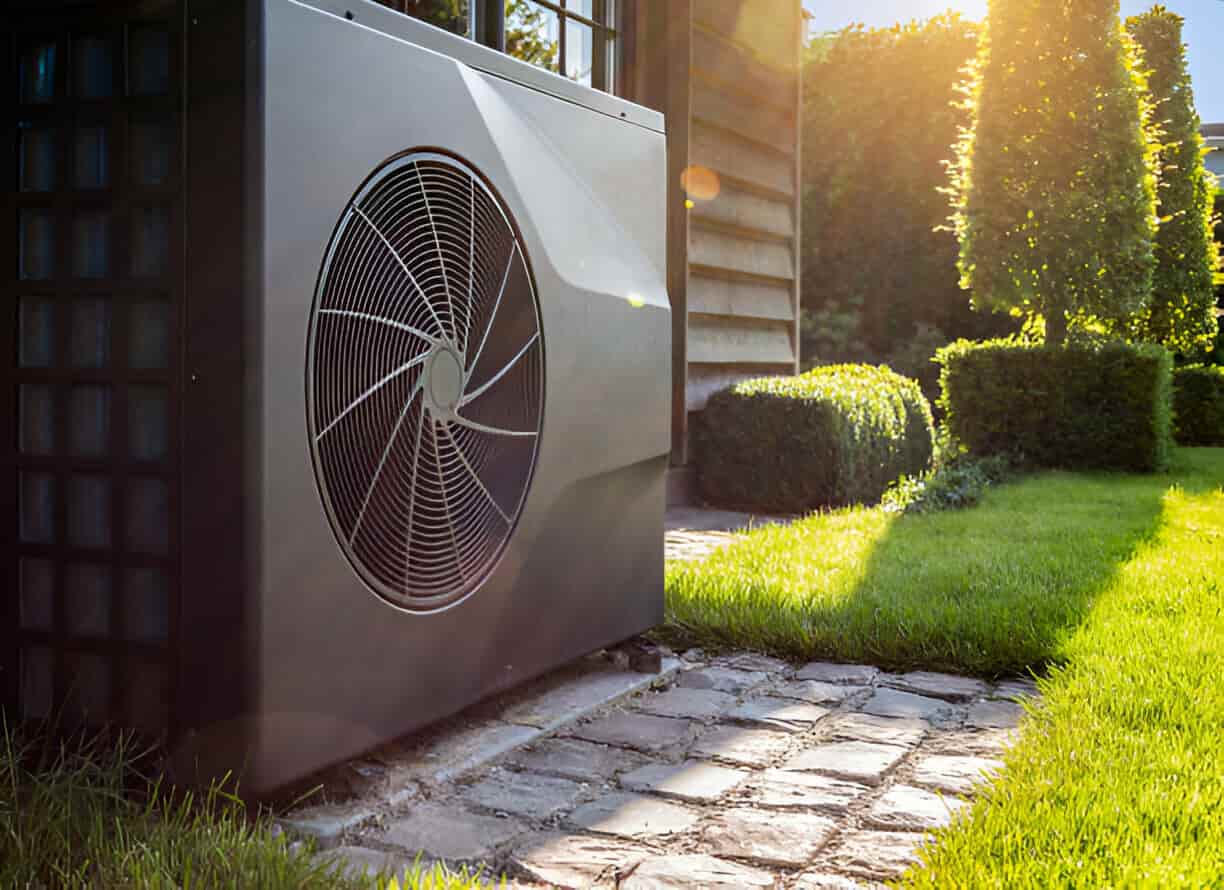
Replacing an aging or failing HVAC system is one of the most impactful investments you can make in your Quincy, WA home. Proper replacement improves comfort, reduces energy bills, and prevents emergency breakdowns during hot, dry summers and cool winter nights
Why Quincy homes need thoughtful HVAC replacement
Quincy sits in a high desert environment with hot summers, cool evenings, and occasional cold snaps. That climate creates two challenges: cooling systems must handle long, dry heat periods efficiently, and heating systems need reliable performance during cold stretches without wasting energy. Many Quincy homes also have older electric furnaces or undersized systems that struggle with temperature swings. Replacing a system without accurate assessment can lead to short cycling, higher energy use, and uneven comfort.
Common HVAC replacement reasons and system types
- End of life equipment - compressors, heat exchangers, or motors failing after 10 to 20 years.
- Frequent, costly repairs that add up faster than replacement.
- Poor efficiency - older systems with low SEER or AFUE ratings.
- Inadequate capacity - undersized equipment from past installations or home changes.
- Transition to more efficient technology - heat pumps or high-efficiency furnaces.
- Ductwork compatibility issues - leaks, restrictions, or lack of zoning.
Replacement options typically considered for Quincy homes:
- Central air conditioner and furnace replacement.
- Heat pump systems - air-source or cold-climate heat pumps that provide both heating and cooling.
- Mini-split ductless systems for rooms or homes without ductwork.
- Full system changeouts including new indoor and outdoor units and updated thermostats.
Assessment: evaluating your existing equipment
A thorough replacement starts with a detailed on-site assessment. Key steps include:
- Visual inspection of indoor and outdoor units, ducts, and electrical connections.
- Performance checks - refrigerant charge, airflow, and component operation.
- Age and repair history review to estimate remaining useful life.
- Duct leakage and insulation assessment.
- Load calculation using industry-standard methods to size new equipment correctly.
Accurate assessment prevents common mistakes such as upsizing a system unnecessarily or installing a unit that cannot remove humidity effectively during Quincy summers.
Load calculations and recommended equipment
Proper sizing matters. Load calculations determine the heating and cooling capacity your home needs based on insulation, window area, orientation, number of occupants, and local climate factors. In Quincy, considerations include high daytime temperatures, low humidity, and temperature swings between day and night.
Equipment recommendations often include:
- Higher SEER-rated air conditioners or heat pumps for summer efficiency.
- Heat pumps with cold-climate ratings if winters are a significant heating period.
- Variable-speed compressors and multi-stage furnaces for better humidity control and steady comfort.
- Matched indoor and outdoor components to maximize efficiency and warranty protection.
- Zoned systems or smart thermostats for larger or multi-level homes.
Energy-efficiency and long-term savings
Energy-efficiency goes beyond the equipment rating. Look at:
- System matched performance - coils, compressors, and controls designed to work together.
- Proper installation practices including refrigerant charge and airflow tuning.
- Duct sealing and insulation to reduce distribution losses.
- Controls like programmable or smart thermostats that optimize runtime.
In Quincy, higher initial investment in an efficient heat pump or high-SEER air conditioner often pays back through lower utility bills during long cooling seasons.
Rebates, warranties, and incentives
Local and regional incentives can reduce the net cost of replacement. Available incentives vary by utility and program year. Typical opportunities include:
- Local utility rebates for switching from electric resistance heat to heat pumps or for high-efficiency equipment.
- Manufacturer warranties that cover parts and sometimes compressor or unit replacement for defined periods.
- Federal or state tax credits or incentive programs for qualified energy-efficient heat pumps.
Confirm eligibility and program details early in the replacement process so that equipment choices and paperwork meet rebate and warranty requirements.
The replacement process and timeline
A typical full HVAC replacement follows these stages:
- Initial inspection and load calculation - 1 to 2 hours on site.
- Equipment selection and paperwork - permit applications and incentive pre-approval may take days to weeks depending on programs.
- Scheduling and delivery - depends on equipment availability.
- Installation day(s) - single-zone replacements often completed in 1 to 2 days; full system changeouts or ductwork modifications may require 2 to 4 days.
- Start-up and commissioning - system is tested, refrigerant and airflow are verified, controls configured, and homeowner orientation provided.
- Final inspection and permit sign-off where required.
Factors that can extend the timeline include retrofit ductwork, custom equipment lead times, and permit queues.
Disposal of old systems and environmental compliance
Old HVAC equipment must be handled responsibly. Important points:
- Refrigerant recovery is required by law. Certified technicians must reclaim or properly dispose of refrigerants to prevent atmospheric release.
- Metal and electronic components are recyclable; compressors and copper lines are commonly reclaimed.
- Hazardous materials such as oil or certain capacitors must be handled per local regulations.
- Proper disposal documentation may be necessary for rebate programs.
Responsible disposal protects the environment and ensures compliance with federal and state regulations.
Financing options and what to evaluate
Financing makes replacement more manageable. Common options:
- Home improvement loans or personal loans with fixed terms.
- HVAC-specific financing plans with promotional rates or deferred interest.
- Local utility financing programs tied to efficiency upgrades.
- Home equity loans or lines of credit for larger projects.
When evaluating financing, compare interest rates, repayment terms, prepayment penalties, and whether financing affects rebate eligibility.
Maintenance and maximizing system life
After replacement, routine maintenance preserves performance and warranty coverage:
- Change or clean filters regularly and maintain recommended service intervals.
- Schedule annual or semiannual tune-ups for heating and cooling seasons.
- Keep outdoor units clear of debris and vegetation.
- Monitor system performance and address unusual noises or energy spikes early.
Proper maintenance extends system life and keeps efficiency high, which is especially valuable given Quincy temperature extremes.
FAQs
Q: How do I know if my Quincy home needs a full HVAC replacement?
A: Signs include frequent breakdowns, high energy bills despite repairs, age over 12 to 15 years, uneven comfort, or incompatible technology with modern efficiency incentives. A professional assessment and load calculation will confirm whether replacement is the best option.
Q: Will a heat pump work well in Quincy winters?
A: Modern cold-climate heat pumps are designed to provide efficient heating in places with occasional cold weather. A proper load calculation and selection of a unit rated for lower temperatures will ensure reliable performance.
Q: How long does a full system replacement typically take?
A: Most central system replacements are completed in 1 to 4 days depending on scope. Simple changeouts are faster; projects involving ductwork or custom installation take longer.
Q: Are there rebates or incentives for replacing my HVAC system in Quincy?
A: Utility rebates and state or federal incentives may be available for high-efficiency equipment or switching from electric resistance heat to heat pumps. Eligibility and amounts vary, so verify current programs before finalizing equipment selection.
Q: What happens to my old furnace or air conditioner?
A: Certified technicians recover any refrigerant, remove hazardous components, and recycle metal and other materials according to regulations. Proper disposal documentation can be provided when required.