
HVAC Replacement in Monitor, WA

Scroll down to discover more
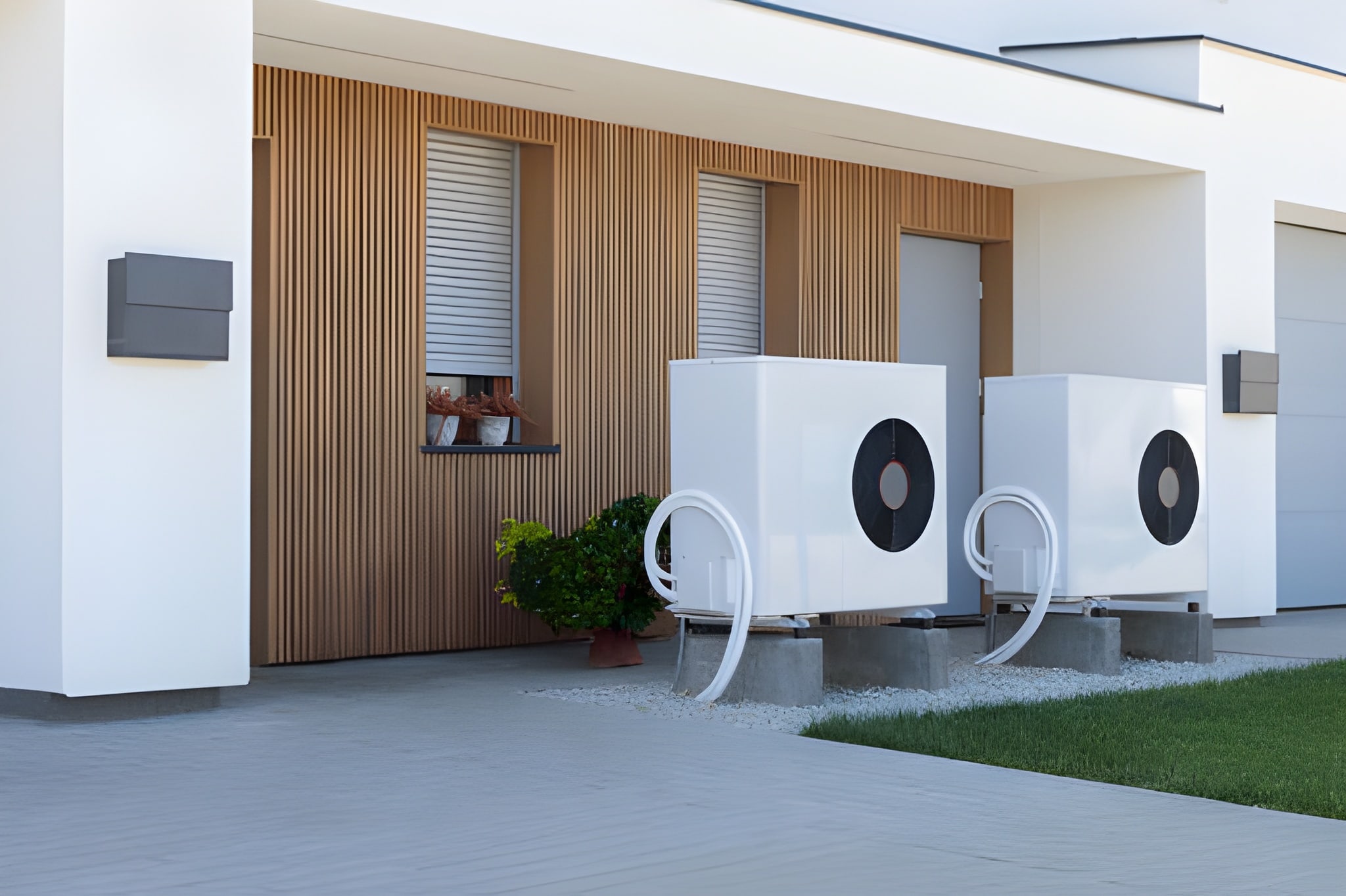
Replacing an aging or failing HVAC system is one of the most impactful home upgrades you can make in Monitor, WA. With hot, dry summers and cold winter nights in the Wenatchee Valley, a properly sized, modern heating and cooling system improves year‑round comfort, lowers utility bills, and reduces service interruptions.
Why replace your HVAC system now
- Older systems lose efficiency and cost more to run, especially during Monitor’s peak cooling months.
- Frequent breakdowns, rising repair bills, or inconsistent temperatures across rooms indicate it may be more economical to replace rather than repair.
- New high‑efficiency systems deliver better moisture control, quieter operation, and improved indoor air quality important in the valley where dust and seasonal pollen can affect comfort.
Common reasons Monitor homeowners choose HVAC replacement
- System age 15+ years or multiple major repairs
- Heat loss in winter or inadequate cooling in summer
- High energy bills despite maintenance
- Replacing banned or phased‑out refrigerants or outdated equipment
- Home remodeling, additions, or conversion from electric forced‑air heating
Initial inspection and load calculations
A reliable replacement starts with a complete home assessment:
- Visual inspection of existing equipment, ductwork, insulation, and thermostat location.
- Manual J load calculation to determine accurate heating and cooling requirements based on home size, orientation, insulation, windows, and occupancy — essential for right‑sizing in Monitor’s climate.
- Ductwork evaluation to identify leaks, return air balance issues, or the need for duct resizing.
- Assessment of electrical and gas service to confirm capacity for new equipment.
Accurate load calculations prevent oversized systems that short‑cycle or undersized units that run continuously and fail to maintain comfort.
Energy‑efficient replacement options
Monitor homes benefit from several energy‑efficient solutions depending on needs and home layout:
- Heat pumps (air‑source and cold‑climate models)
- Provide both heating and cooling with high seasonal efficiency.
- Excellent for replacing electric forced heat — many customers in Chelan County qualify for local PUD rebates when switching to heat pumps.
- Cold‑climate models maintain heat output even during colder winter nights.
- High‑efficiency furnaces
- For homes tied to natural gas, modern condensing furnaces reach much higher AFUE ratings and pair well with upgraded air conditioning.
- Ductless mini‑split systems
- Ideal for homes without ductwork, additions, garages, or rooms needing independent zoning.
- Allow targeted heating and cooling with minimal disruption to existing structure.
- Hybrid systems and zoning
- Combining heat pump and gas furnace for peak efficiency and backup heat.
- Zoned systems increase comfort and lower energy use by controlling individual areas independently.
Equipment selection guidance
When selecting equipment for HVAC replacement in Monitor, WA, consider:
- Right sizing based on Manual J, not rule‑of‑thumb tonnage.
- SEER and HSPF ratings for cooling and heat pump efficiency; higher ratings translate to lower seasonal operating costs.
- Cold‑climate performance metrics if winter heating without supplemental heat is desired.
- Indoor unit features: variable‑speed blowers, modulating compressors, and compatible thermostats can boost comfort and efficiency.
- Duct condition: investing in duct sealing or partial replacement often improves system performance as much as selecting a higher‑end unit.
- Manufacturer support and warranty terms — longer parts and unit warranties provide more protection.
Local rebates and incentives
Monitor homeowners have access to local incentives that can substantially reduce upfront cost for eligible installations:
- Chelan County PUD rebates for residents switching from electric forced heat to a heat pump — rebates have been offered up to several thousand dollars (verify current program details and eligibility).
- Commercial and residential utility incentives may be available for high‑efficiency heat pumps and electrification projects.
- Manufacturer and state incentive programs periodically provide additional rebates or tax credits.
- Always confirm current rebate amounts, qualifications, and application deadlines during the estimate phase so your replacement plan maximizes available incentives.
Removal and disposal of old equipment
- Licensed technicians handle safe disconnection, refrigerant recovery, and EPA‑compliant disposal of old systems.
- Old furnaces, air handlers, and outdoor condenser units are removed and recycled or disposed of according to local regulations.
- Ductwork that is irreparably damaged can be removed or retrofitted; salvageable sections are cleaned and sealed.
- Proper removal ensures your replacement starts cleanly and avoids contamination of the new system.
Typical timelines for replacement
- On‑site inspection and load calculation: same day or within a few days of request.
- Written proposal and equipment selection: 1–3 days after inspection.
- Ordering equipment: 1–3 weeks depending on availability and manufacturer lead times.
- Installation: most single‑system replacements are completed in 1–3 days; ductless or multi‑zone projects may take 2–4 days.
- Clean‑up and commissioning: final checks, thermostat programming, and customer walkthrough typically on installation completion day.
Seasonal demand can affect scheduling; planning ahead before peak summer or winter reduces lead time.
Warranties, maintenance, and financing options
- Manufacturer warranties vary by brand and model; many premium heat pump systems offer extended parts warranties and unit replacement guarantees. Some manufacturers, such as major brand lines available locally, include multi‑year parts coverage—confirm exact terms per model.
- Labor or workmanship warranties from installers cover correct installation and may complement manufacturer coverage.
- Routine maintenance plans extend equipment life and protect warranty eligibility through regular inspections, filter changes, and system tune‑ups.
- Financing options are often available for HVAC replacement projects to spread costs over time. Options typically include short‑term promotional financing and longer‑term plans; review terms to choose what fits your budget.
Long‑term benefits for Monitor homeowners
- Lower monthly energy bills, especially when switching from electric resistance heat to a heat pump.
- Improved comfort and consistent temperatures throughout the home.
- Reduced environmental footprint and better indoor air quality.
- Increased home value and appeal for future resale.
FAQs
Q: How do I know if a heat pump is right for my Monitor home?
A: A heat pump is a strong option if you want both cooling and efficient heating, especially if replacing electric forced heat. A Manual J load calculation and assessment of insulation and ductwork will determine suitability and whether a cold‑climate model is recommended.
Q: What rebates are available for HVAC replacement in Monitor, WA?
A: Local utility programs, such as Chelan County PUD, have offered rebates for switching from electric forced heat to heat pumps and for commercial upgrades. Rebate amounts and eligibility change, so confirm current programs during your estimate.
Q: How long does a full HVAC replacement take from inspection to completion?
A: The process typically takes 2–6 weeks depending on equipment availability and scheduling. The actual installation usually requires 1–4 days depending on system complexity.
Q: Will my old equipment be removed and recycled?
A: Yes. Licensed installers recover refrigerant, disconnect gas and electrical connections, and dispose of or recycle equipment in accordance with local and federal regulations.
Q: What warranties should I expect with a new HVAC system?
A: Expect a manufacturer parts warranty and possibly unit replacement coverage on selected models, along with a labor or workmanship warranty from the installer. Confirm exact warranty lengths and any required registration steps.