HVAC Replacement in Malaga, WA

Scroll down to discover more
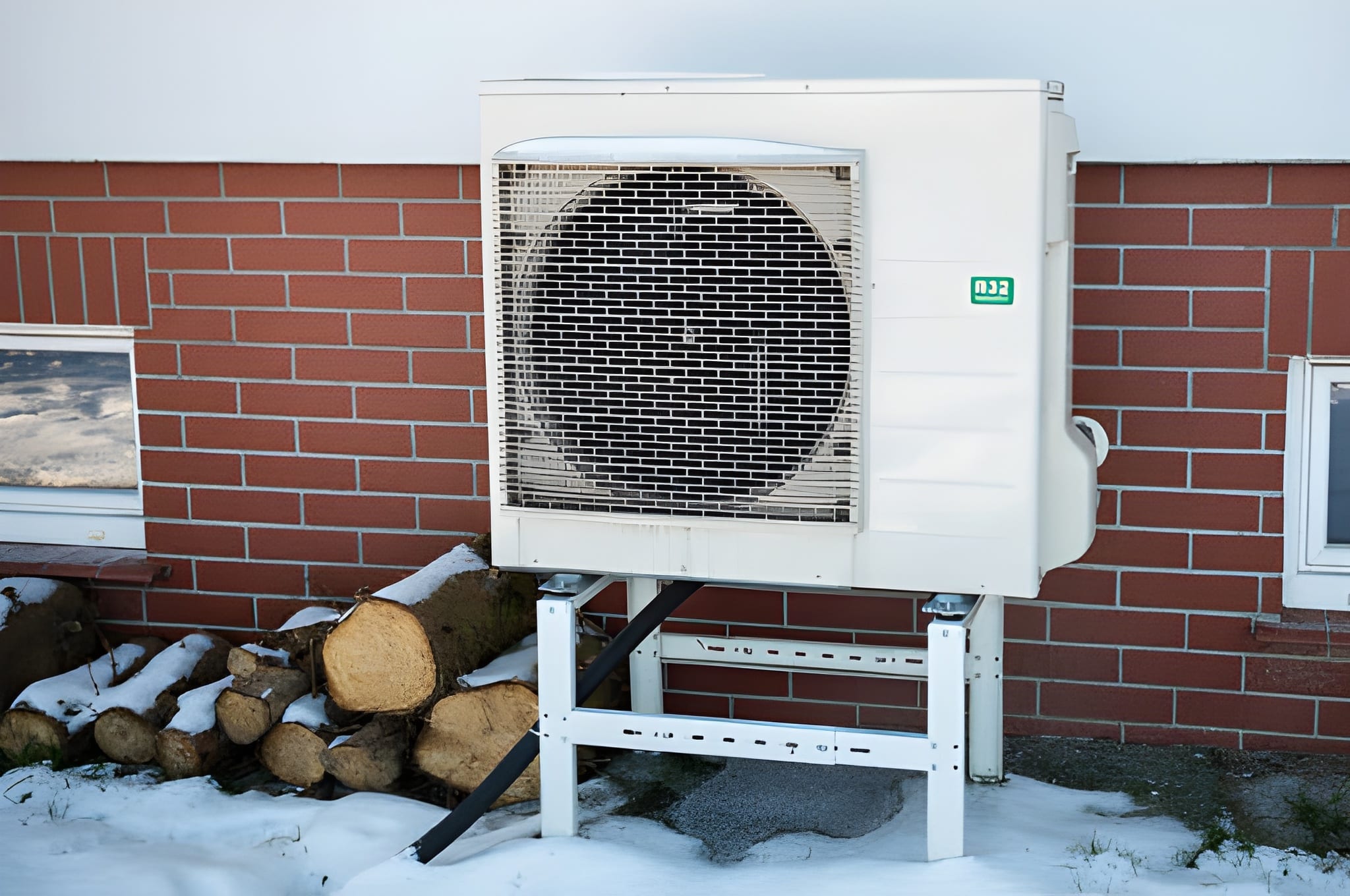
Replacing an aging or failing HVAC system is one of the most important investments you can make in your Malaga, WA home. With hot, dry summers and cold winters in the Wenatchee Valley, a properly sized, efficient system keeps living spaces comfortable year-round, reduces utility bills, and protects indoor air quality from seasonal dust and wildfire smoke.
When to consider HVAC replacement
You should evaluate replacement when your system shows any of the following consistent signs:
- Persistent breakdowns or rising repair frequency and costs
- System age: most furnaces, heat pumps, and central AC units approaching 12–15 years or older
- Increasing energy bills despite routine maintenance
- Uneven heating or cooling and hot or cold rooms after ductwork checks
- Refrigerant leaks or components that are no longer serviceable due to phase-out of older refrigerants
- Poor indoor air quality, excessive dust, or difficulty managing humidity
- Major component failure (compressor, heat exchanger) where repair cost approaches replacement value
Replacing at the right time avoids emergency failures in extreme heat or cold and maximizes opportunities for energy incentives available locally.
Common HVAC replacement types for Malaga homes
Malaga-area homes most commonly need one of these replacements or upgrades:
- Central AC replacement (matched condensing unit and air handler/furnace)
- Furnace replacement (gas or electric)
- Heat pump replacement or conversion (air-source or ductless mini-split)
- Ductless mini-split installation or replacement for rooms without ductwork
- Full system replacement (complete HVAC package) with new ductwork or zoning upgrades
Choice depends on your current system, home insulation, duct condition, and heating fuel type.
Equipment selection: efficiency and capacity considerations
Selecting the right system combines efficiency, correct sizing, and suitability for local conditions.
- Efficiency ratings explained simply: SEER (cooling efficiency), HSPF (heat pump heating efficiency), and AFUE (furnace efficiency). Higher ratings mean lower operating costs, especially important with Malaga’s hot summers and cold snaps.
- Proper sizing: a Manual J load calculation determines required capacity based on home size, insulation, window types, sun exposure, and local climate. Oversized units cycle too often and reduce comfort; undersized units fail to maintain setpoints.
- Fuel and system type: heat pumps now provide excellent year-round performance in the Wenatchee Valley and often outperform electric resistance heat in efficiency. Ductless mini-splits are effective for additions or homes without ductwork.
- Indoor air quality and filtration: selecting systems compatible with upgraded filters, UV lights, or ERV/HRV systems helps reduce wildfire smoke and seasonal pollen impacts common in central Washington.
Local rebates and incentive assistance
Malaga homeowners may qualify for utility and state incentives for high-efficiency equipment, especially when switching from electric forced air or resistance heat to heat pumps. Local utility rebates can substantially reduce upfront cost and improve payback. Assistance typically includes:
- Identifying eligible rebates based on equipment type and fuel conversion
- Guidance on required documentation and timing to preserve rebate eligibility
- Coordinating system specifications to meet rebate efficiency thresholds
Mentioning local programs and ensuring installations meet program requirements helps avoid missed savings.
The replacement process (what to expect)
A clear, professional replacement follows documented steps:
- Initial assessment and diagnostics: review existing system condition, perform load calculation, inspect ductwork and electrical capacity.
- Equipment selection and permit planning: choose unit size and features; prepare necessary local permits.
- Removal of old unit: safe disconnect of power and refrigerant recovery following environmental regulations; removal of exterior and interior components.
- Prep and installation: modify pad or platform, set new outdoor unit, install or replace indoor coil/air handler or furnace, connect refrigerant lines and electrical, and update duct connections or add zoning.
- System startup and balancing: evacuate and charge refrigerant, test operating pressures and temps, adjust airflow, and perform full heating and cooling cycles.
- Final inspection and paperwork: confirm permits are closed, register equipment warranties, and provide owner documentation.
Typical safety and environmental practices include recovering refrigerant, recycling metals and components, and disposing of hazardous materials according to local regulations.
Warranty, disposal, and post-install care
- Warranties: new equipment comes with manufacturer parts warranties and often labor warranties; ask for exact coverage terms and registration requirements.
- Disposal: responsible disposal recycles scrap metal and properly handles refrigerant oils and other regulated materials to minimize environmental impact.
- Post-installation support: performance testing, filter orientation, thermostat programming, and basic maintenance guidance help ensure the new system runs efficiently from day one.
Financing and cost management options
Many homeowners in Malaga evaluate replacement through financing that spreads payments over time. Options typically include:
- Low-interest or deferred-payment plans tied to equipment purchases
- Utility or manufacturer financing programs for qualifying customers
- Guidance on calculating lifecycle costs: estimated energy savings minus any rebate amounts to compare scenarios (repair vs replace)
Financing decisions often factor in expected energy savings, local climate-driven usage, and potential rebate incentives.
Benefits of timely replacement and maintenance tips
Replacing an outdated HVAC system improves comfort, reliability, and energy efficiency. Additional benefits for Malaga homes include better humidity control during irrigation seasons, reduced dust infiltration in orchard country, and improved filtration for wildfire smoke events.
Maintenance tips to protect your investment:
- Change filters regularly and use higher-MERV filters compatible with your system
- Schedule annual tune-ups for heating and cooling seasons
- Keep outdoor units clear of debris and vegetation; protect them in winter if needed
- Seal and insulate ductwork to reduce losses, particularly in older homes
FAQs
Q: How do I know if a repair or replacement is the better option?
A: If repair costs approach half the replacement cost for an older system, if the unit is more than 12 years old, or if energy bills keep rising after repairs, replacement is usually the smarter long-term choice.
Q: Will a heat pump work in Malaga winters?
A: Yes. Modern air-source heat pumps are effective in the Wenatchee Valley climate and often outperform electric resistance heat. Cold-climate heat pumps and properly sized systems maintain comfort through typical local winter temperatures.
Q: Can I get local rebates for switching to a heat pump?
A: Local utility and state programs commonly offer rebates for heat pump conversions from electric resistance heat. Eligibility depends on equipment type and program rules; rebate assistance helps ensure compliance with application requirements.
Q: What happens to my old system?
A: Old units are safely removed, refrigerant is recovered and recycled per regulations, and materials are recycled or disposed of responsibly following local environmental guidelines.
Q: How long does a full HVAC replacement take?
A: A typical single-family home replacement is often completed in one to two days depending on scope. Full-system replacements with ductwork modifications may take longer; the assessment phase will outline a timeline.