HVAC Maintenance in Wenatchee, WA

Scroll down to discover more
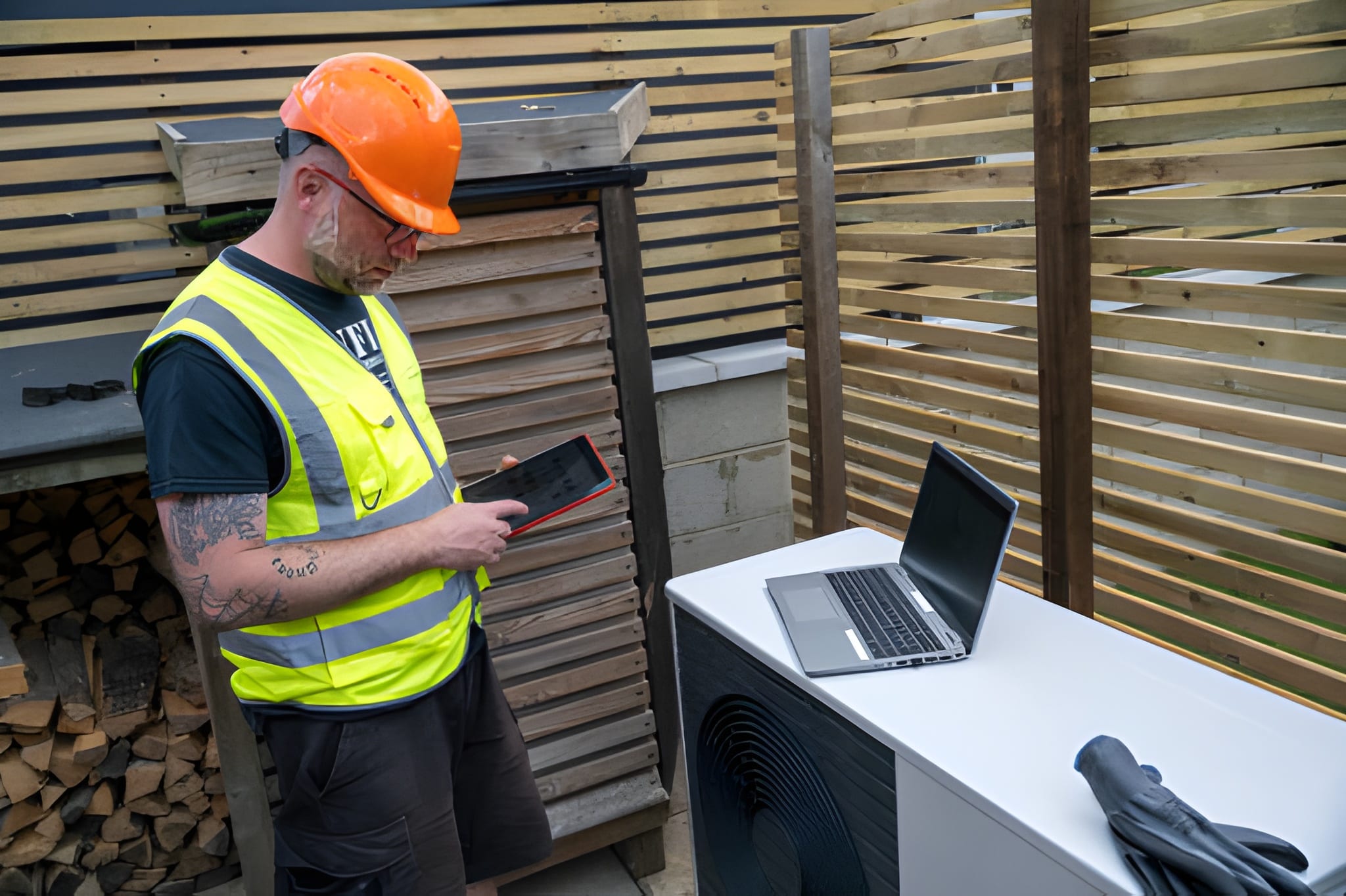
Keeping your heating and cooling system running reliably in Wenatchee, WA means planning for both hot, dry summers and cold inland winters. Regular HVAC maintenance and seasonal tune-ups address the specific stresses Wenatchee homes face—dust and pollen from orchards, wildfire smoke that reduces indoor air quality, and freeze risk during winter nights—so your system performs efficiently, lasts longer, and remains safe.
Why routine HVAC maintenance matters in Wenatchee
- Protect efficiency and lower bills. A well-maintained system operates closer to its rated efficiency. Routine cleaning and tuning can reduce energy use and help prevent sudden spikes in utility costs during hot July afternoons or cold January mornings.
- Increase reliability during peak seasons. Preventive checks reduce the chance of breakdowns on the hottest days or during the first cold snap of the season.
- Improve indoor air quality. Wenatchee’s wildfire smoke and seasonal pollen make filter changes and coil cleanings important for keeping your home’s air healthy.
- Preserve manufacturer warranties and qualify for rebates. Many warranties and utility rebate programs require documented annual maintenance performed by a qualified technician.
- Extend equipment life. Regular inspections and minor repairs prevent premature failure and defer the cost of replacement.
Typical HVAC maintenance checklist
Technicians follow a systematic checklist to diagnose issues and tune systems. Key items include:
- Filters: inspect, clean, or replace; recommend filter type and schedule
- Airflow: measure supply and return airflow; check and clean registers and ducts when needed
- Evaporator and condenser coils: inspect and clean to restore heat transfer
- Refrigerant: check pressure, look for leaks, verify charge for AC and heat pump systems
- Condensate drain: clear blockages to prevent water damage and microbial growth
- Electrical and controls: tighten connections, test capacitors, contactors, and thermostats
- Motors and belts: inspect bearings, motor amperage, and belt tension
- Burners and heat exchanger: inspect and clean burners; visually inspect heat exchanger for cracks on gas furnaces
- Safety controls and sensors: test safety switches, limit controls, and flame sensors
- Combustion and CO check: measure combustion efficiency and test for carbon monoxide on combustion appliances
- System performance check: measure temperature split, verify proper cycling, and record operating voltages and amps
Recommended maintenance schedule for Wenatchee homes
- Central AC and heat pumps: professional tune-up every spring before cooling season; inspect again in fall if used for heating. Homeowners should check filters monthly during heavy use.
- Furnaces and gas heating: professional inspection and tune-up every fall before heating season; change or check filters monthly when in use.
- Mini-splits and ductless systems: service annually; clean filters more often during wildfire season or heavy pollen months.
- Ductwork and indoor air quality equipment: inspect ducts and clean as needed every 2-3 years; change humidifier pads and UV lamps per manufacturer guidance.
- Filters: basic fiberglass filters may need replacement every 30 days; higher-efficiency pleated filters often last 90 days but require more frequent checks in dusty or smoky conditions.
What a professional tune-up includes (step-by-step)
- Review system history and any homeowner concerns.
- Visually inspect outdoor unit, remove debris, and clear 2 feet of clearance.
- Replace or inspect filters and inspect return grilles.
- Clean coils and inspect for corrosion or damage.
- Test refrigerant pressures and check for leaks.
- Measure electrical components, tighten connections, and test capacitors.
- Lubricate moving parts where applicable.
- Test thermostat operation and calibrate if necessary.
- Run complete system test, measure temperature differential, and record data.
- Provide a written report with findings, recommended repairs, and maintenance records to support warranties and rebates.
Common issues uncovered during maintenance and simple solutions
- Restricted airflow from clogged filters or dirty coils — solution: replace filters, clean coils, check duct restrictions.
- Low refrigerant leading to poor cooling — solution: locate and repair leaks, recharge system per manufacturer specs.
- Frequent short cycling caused by thermostat or control issues — solution: calibrate thermostat or repair control board.
- Noisy operation from loose components or worn bearings — solution: tighten hardware, replace worn parts.
- Combustion problems or CO risk in gas appliances — solution: burner cleaning, heat exchanger inspection, and safety control repair.
Membership and maintenance plan features that matter
Maintenance plans are designed to make preventive care predictable and documented. Typical plan elements include:
- Scheduled seasonal tune-ups timed for Wenatchee’s spring and fall transitions
- Priority scheduling for plan members during peak seasonal demand
- Discounts on parts and labor for repairs discovered during maintenance
- Waived diagnostic or trip fees for members
- Detailed service reports and maintenance logs that satisfy manufacturer warranty requirements and many utility rebate conditions
- Reminder service and seasonal checks for air quality during wildfire season and high pollen months
How maintenance supports warranties and rebates
Many manufacturers require proof of annual professional maintenance to keep parts or unit warranties valid. Utility and PUD rebate programs often require pre-installation evaluations, post-install verification, and documented ongoing maintenance records. A consistent maintenance record demonstrates proper care, helps you meet program rules, and makes rebate applications and warranty claims smoother.
Practical tips for Wenatchee homeowners
- Change or inspect filters more often during wildfire smoke events and orchard-spraying seasons.
- Keep outdoor units clear of leaves, irrigation spray, and fruit debris to maintain airflow.
- Consider HEPA or higher-efficiency filters if wildfire smoke or allergy symptoms are a concern, and check static pressure to avoid airflow issues.
- Schedule professional tune-ups before expected heavy-use seasons: spring for cooling and fall for heating.
- Keep a maintenance folder with service reports to support warranty and rebate requirements.
FAQs
Q: How often should I have my HVAC system professionally serviced in Wenatchee, WA?
A: Have your system professionally inspected at least once a year, with separate spring and fall tune-ups recommended for systems that both heat and cool. Filters should be checked monthly during active seasons.
Q: Does maintenance affect my equipment warranty or utility rebates?
A: Yes. Most manufacturers and many rebate programs require documented annual maintenance. Keep detailed service records to satisfy those requirements.
Q: What does a tune-up cost and does it include repairs?
A: Costs vary; tune-ups typically cover inspection, cleaning, and performance testing. Repairs and parts are usually additional. Membership plans can reduce repair costs and waive some fees.
Q: How does Wenatchee’s climate change maintenance needs?
A: Wenatchee’s dry, dusty conditions and seasonal wildfire smoke increase filter and coil fouling, requiring more frequent checks. Cold nights can stress outdoor components and refrigerant lines, so seasonal inspections are important.
Q: Can maintenance improve indoor air quality during wildfire season?
A: Regular maintenance, timely filter changes, and the use of higher-efficiency filters or supplemental air cleaning devices significantly reduce indoor particle levels during wildfire events.