
HVAC Maintenance in Wenatchee Heights, WA

Scroll down to discover more
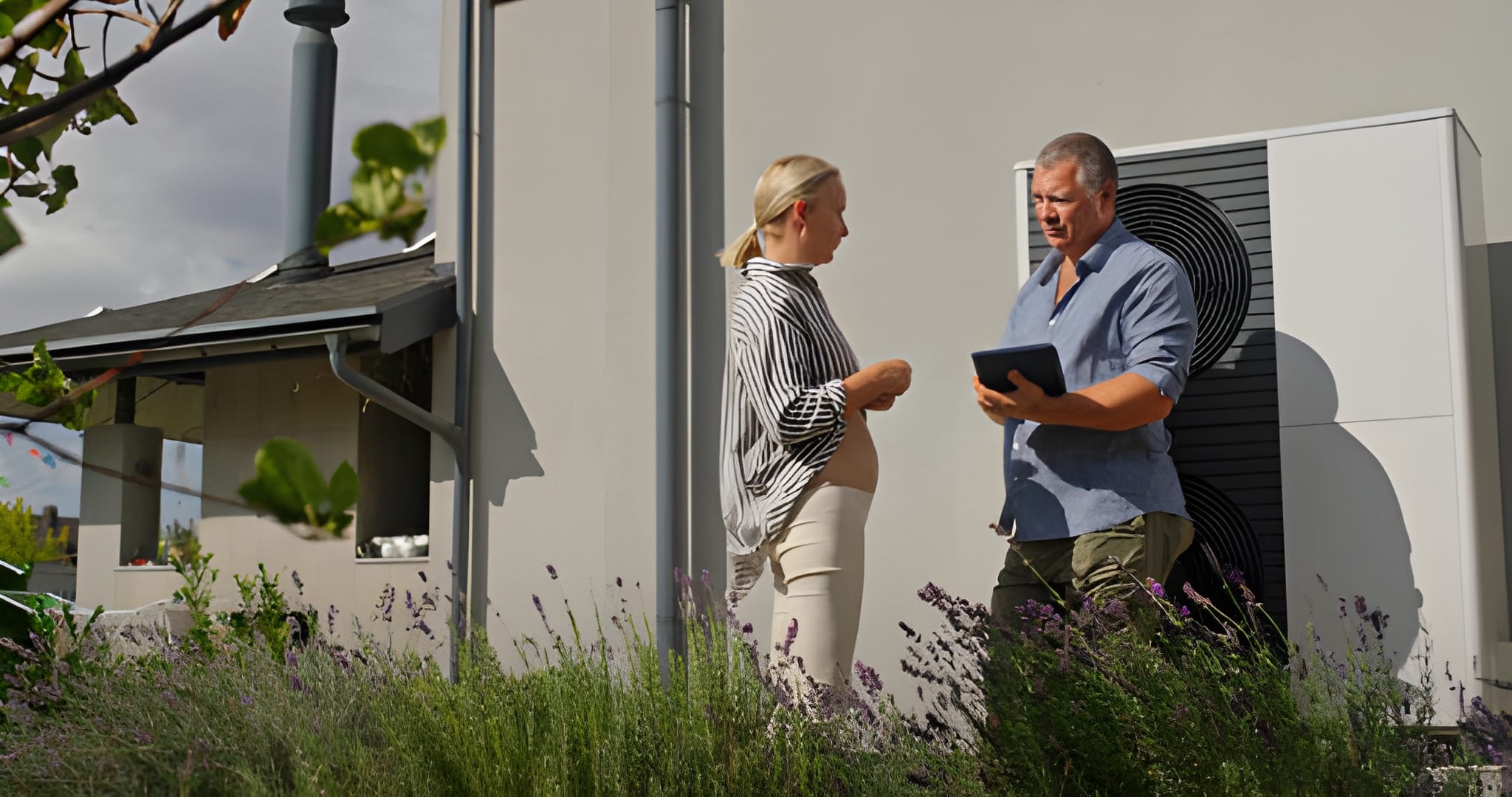
Keeping your heating and cooling systems properly maintained is essential for reliable comfort in Wenatchee Heights homes. With hot, dry summers and chilly, sometimes below-freezing winters in the Wenatchee Valley, seasonal tune-ups prevent high-energy bills during peak cooling months and reduce the risk of breakdowns in winter.
Why HVAC maintenance matters in Wenatchee Heights
- Higher seasonal loads: Summer heat spikes mean air conditioners and heat pumps run longer, increasing wear. Routine checks keep systems operating efficiently when you need them most.
- Dry, dusty conditions: Low humidity and agricultural activity in the region push more dust and pollen into filters and coils, reducing airflow and efficiency if not cleaned regularly.
- Cold snaps and freeze cycles: Fall and winter tune-ups catch furnace or heat pump issues before they cause a no-heat emergency during a cold night.
- Warranty and longevity: Manufacturers frequently require annual maintenance to maintain warranties. Regular service extends equipment life and delays costly early replacements.
Common HVAC issues in Wenatchee Heights homes
- Clogged filters and dirty evaporator/condenser coils from dust and pollen
- Low refrigerant or refrigerant leaks causing poor cooling performance
- Loose or corroded electrical connections leading to intermittent operation
- Worn blower motors or belts reducing airflow
- Ignition or burner problems on gas furnaces affecting safety and efficiency
- Heat pump defrost cycle failures during colder weather
Seasonal inspection checklist (what we test and clean)
A comprehensive tune-up follows a checklist tailored to the system type (central AC, furnace, heat pump, mini-split). Key items include:
- Filters: Inspect and replace or recommend proper MERV rating for indoor air quality.
- Coils: Clean evaporator and condenser coils to restore heat transfer efficiency.
- Refrigerant levels: Check pressures and temperatures to verify correct charge; inspect for signs of leaks.
- Electrical connections: Tighten and test all electrical terminals, fuses, and capacitors.
- Burners and combustion: Clean burners, inspect flame pattern, and perform combustion analysis for gas furnaces to ensure safe operation.
- Blower and motors: Measure airflow, clean blower assembly, lubricate bearings where applicable.
- Thermostat calibration: Verify accurate temperature control and settings.
- Condensate drain and pan: Clear clogs and treat to prevent overflow and mold.
- Duct and airflow inspection: Look for obvious leaks, obstructions, and recommend sealing where needed.
- Safety controls: Test limit switches, pressure switches, and emergency shutoffs.
- Heat pump specific checks: Inspect reversing valve, defrost operation, and outdoor unit freeze conditions.
Benefits of regular preventive maintenance
- Improved efficiency: Clean, well-adjusted systems use less energy to reach set temperatures, lowering utility costs.
- Greater reliability: Identifying worn parts before they fail reduces surprise breakdowns during temperature extremes.
- Extended equipment life: Regular maintenance slows degradation and delays replacement expense.
- Enhanced indoor air quality: Fresh filters and clean coils reduce dust, allergens, and mold growth.
- Safer operation: Combustion checks and electrical inspections reduce carbon monoxide risk and fire hazards.
- Documentation for warranties: Service records help preserve manufacturer warranty coverage.
Maintenance plans (what’s included and how they differ)
Maintenance programs are structured to match different homeowner needs and system types:
- Basic Seasonal Tune-Up: A focused visit for a single system including filter check/replacement, safety tests, basic coil cleaning, electrical checks, and performance verification. Ideal for homeowners needing one-time seasonal attention.
- Comprehensive Annual Maintenance: A full checklist service covering filters, coils, refrigerant check, blower performance, burner and combustion testing, condensate cleaning, duct inspection, and a written system health report. Best for full-system care and warranty compliance.
- Priority/Service Membership Plan: Two scheduled visits per year (spring and fall), priority scheduling during high-demand periods, diagnostic discounts, and seasonal reminders. This plan is designed for consistently maintained systems and households that want peace of mind year-round.
Note: Plans are described by scope and frequency. Pricing varies by system type, age, and complexity.
Recommended scheduling cadence
- Central AC and heat pumps: Twice yearly—spring (pre-cooling season) and fall (pre-heating season). Heat pumps especially benefit from two checks because they work year-round.
- Gas furnaces: Annually in early fall before heavy use. Consider an additional spring check if the system is older or has known issues.
- Mini-splits and ductless units: Annually, with extra attention after dusty summer months.
- Older systems (10+ years): Consider more frequent inspections, such as quarterly checks, if reliability is a concern.
What to expect during a service visit
- Technician arrival and brief safety review of the work area and equipment.
- Visual inspection of outdoor unit(s) and indoor components, noting any signs of corrosion, leaks, or animal intrusion.
- Filter inspection and recommended replacement or replacement if included in the plan.
- Cleaning of accessible coils and blower components, and clearing the condensate drain.
- Measurement of refrigerant pressures and system temperatures (for AC/heat pumps); combustion and CO checks for gas furnaces.
- Tightening electrical connections, testing capacitors, motors, and relays.
- Performance tests: airflow readings, temperature splits, and thermostat calibration.
- Written report summarizing findings, efficiency observations, any recommended repairs or part replacements, and estimated next service window.
- Typical visit time is approximately 60 to 90 minutes for a full tune-up depending on system complexity.
FAQs
Q: How often should I have HVAC maintenance performed?
A: Most systems perform best with at least one annual tune-up; central AC and heat pumps should receive two tune-ups per year (spring and fall). Older systems or homes with heavy dust exposure may benefit from more frequent checks.
Q: Will maintenance save me money on energy bills?
A: Yes. Regular cleaning, correct refrigerant charge, tight electrical connections, and proper airflow improve efficiency and typically lower monthly energy use by reducing runtime and improving heat transfer.
Q: Do you service heat pumps and mini-splits?
A: Yes. Heat pumps and mini-split systems require many of the same inspections as central systems, with added checks for reversing valves, defrost cycles, and line set insulation.
Q: What happens if a technician finds a problem during a tune-up?
A: The technician will document the issue, explain the recommended repair or part replacement, and provide an estimate for the work. Emergency or safety issues will be prioritized and communicated clearly.
Q: Are parts and labor covered under maintenance plans?
A: Maintenance plans typically cover scheduled inspection, basic cleaning, and diagnostic services. Parts and major repairs are usually billed separately; specific plan details vary by program.
Q: How long does a typical maintenance visit take?
A: A full seasonal tune-up generally takes between 60 and 90 minutes depending on system type and condition, while basic inspections may be shorter.