HVAC Maintenance in Waterville, WA

Scroll down to discover more
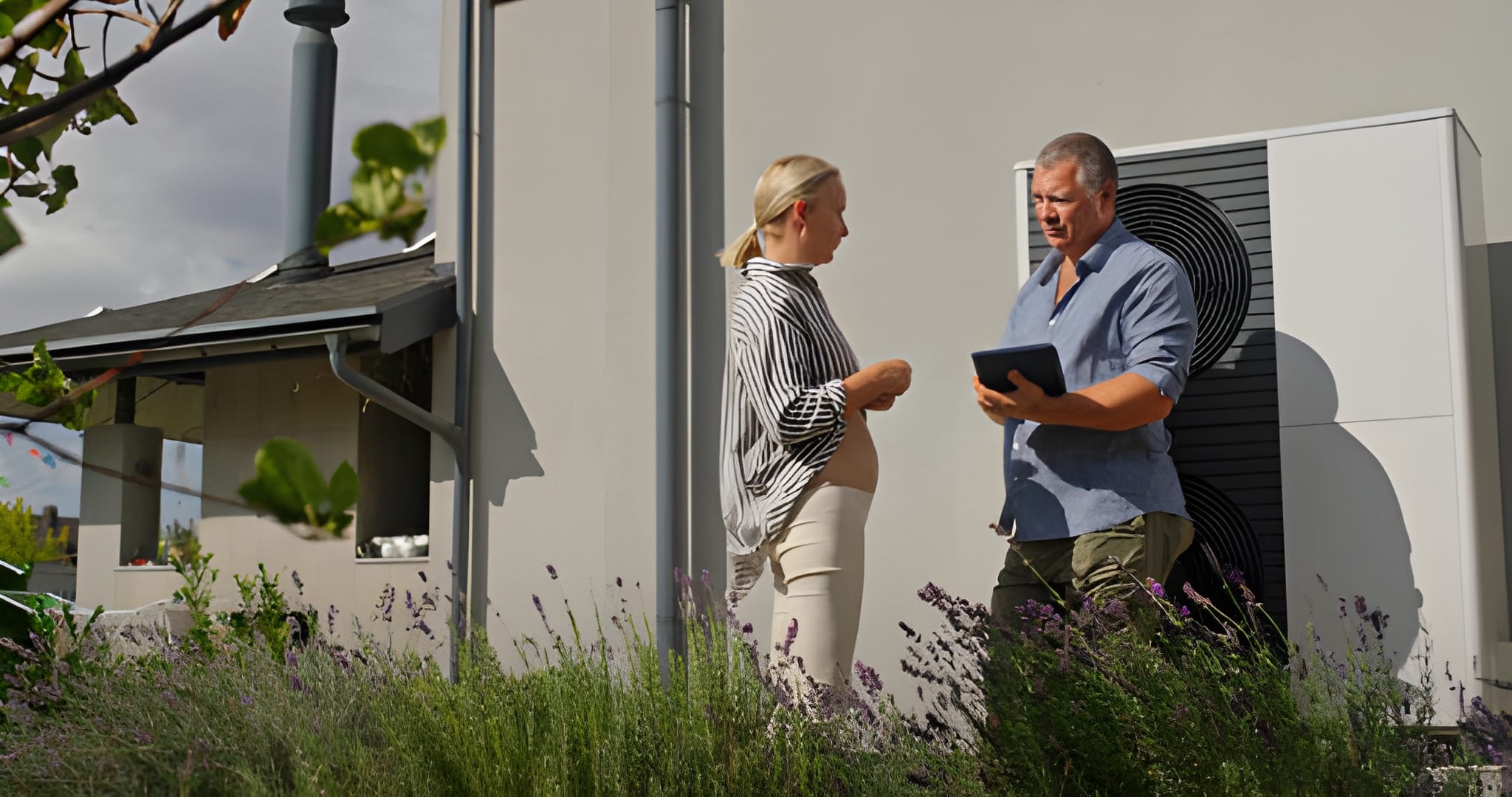
Keeping your heating and cooling system in top shape is especially important for homes in Waterville, WA. Eastern Washington’s hot, dry summers and cold winters put seasonal stress on HVAC equipment, and the region’s dust, agricultural pollen, and wide temperature swings make regular preventive care essential. Professional HVAC maintenance reduces breakdown risk during peak weather, improves comfort, lowers energy costs, and extends equipment life.
Common HVAC problems in Waterville homes
- Clogged air filters from dust, pollen, and agricultural debris causing poor airflow and frozen evaporator coils.
- Reduced cooling capacity and higher energy use during long, hot summers when condensers are dirty.
- Incomplete combustion, sooty burners, or cracked heat exchangers in older furnaces after heavy winter cycling.
- Refrigerant leaks or undercharge causing short cycling and inefficient cooling.
- Faulty thermostats and poor airflow from dirty blower wheels or leaky ducts.
- Condensate drain blockages creating water damage or AC shutdowns in humid windows of operation.
Types of preventive maintenance we cover
- Seasonal tune-ups: spring AC checks and fall heating checks to prepare systems for peak use.
- Comprehensive inspections: full system diagnostics for furnaces, air conditioners, heat pumps, and mini-splits.
- Filter programs and reminders: guidance on filter type and replacement frequency for your home.
- Safety and efficiency checks: combustion safety, carbon monoxide checks on gas appliances, and airflow testing.
- Priority service plans: scheduled maintenance visits, documented reports, and ongoing system monitoring options.
Detailed inspection checklist
Every tune-up includes a methodical inspection and basic service on these items:
- Filters: check condition, recommend correct MERV rating, and replace or advise replacement frequency.
- Coils (evaporator and condenser): clean and inspect for debris, corrosion, and proper airflow.
- Refrigerant: check charge and pressures; identify signs of leaks or system inefficiency.
- Burners and combustion system: inspect burners, flame pattern, and heat exchanger for safety and proper operation.
- Electrical connections: tighten terminals, test capacitors and contactors, and inspect control wiring.
- Blower motor and wheel: clean, lubricate (if applicable), and verify RPM and airflow.
- Condensate drain and pan: clear blockages and check for standing water or corrosion.
- Thermostat and controls: calibrate and test set points, cycles, and communication with system.
- Ductwork and vents: visual inspection for leaks, disconnected sections, and major dust buildup.
- Safety controls and sensors: test limit switches, pressure switches, and other safety cutouts.
Recommended service intervals for Waterville homes
- Air conditioner: annual tune-up in spring before cooling season.
- Furnace or gas heating: annual inspection and cleaning in fall before heating season.
- Heat pump systems: two inspections per year (spring and fall) to cover both heating and cooling loads.
- Filters: check monthly; replace every 1–3 months depending on filter type, household pets, and air quality.
- Ducts and vents: visual check annually; full duct cleaning as needed based on dust and allergy symptoms.
What to expect during a maintenance visit
- A skilled technician arrives prepared, conducts a safety check, and confirms the system(s) to be inspected.
- External components (condensing unit, outdoor coils) are cleared of debris and tested for proper operation.
- Indoor components (air handler, furnace cabinet) are opened for inspection, filters are checked or replaced, coils and burners are cleaned, and electrical connections are tightened.
- Refrigerant systems are measured for correct pressure and temperature; any abnormal readings are documented and explained.
- Airflow and flue/venting performance are tested; combustion appliances receive safety checks for carbon monoxide and proper exhaust.
- The technician provides a written checklist of findings, notes recommended repairs or parts, and outlines suggested timing for the next service. Typical tune-ups take 45–90 minutes depending on system complexity.
Maintenance plans and enrollment (what’s included)
Maintenance plans are structured to remove guesswork and protect system performance through scheduled care. Common plan features include:
- Scheduled seasonal tune-ups (timed for spring/fall depending on your equipment)
- Reminder service and priority scheduling during peak weather periods
- Filter program management or reminders tied to your system needs
- Clear, itemized service reports after every visit documenting performance and recommended next steps
- Preferred diagnostic rates or discounts on parts and repairs as part of plan terms
Enrollment typically involves choosing the plan level that matches your system (single system, multi-system, or heat-pump-specific) and setting up the first scheduled visit. Plans are designed to coordinate tune-ups with seasonal needs for Waterville homes and to minimize emergency service during heat waves or cold snaps.
Benefits of timely HVAC maintenance
- Improved energy efficiency and lower monthly energy use during extreme summer and winter conditions.
- Fewer costly breakdowns during peak demand times.
- Longer equipment life and more predictable replacement planning.
- Better indoor air quality by reducing dust, pollen, and particulate recirculation.
- Maintained safety and compliance with manufacturer warranty requirements that often require regular service.
Homeowner preparation tips before a visit
- Ensure easy access to outdoor and indoor units by clearing debris and vegetation.
- Secure pets and note any persistent noises, smells, or performance issues for the technician.
- Check for recent changes in utility bills or comfort problems to share with the technician.
- Have current filter sizes and system model numbers available if known.
FAQs
Q: How often should I schedule HVAC maintenance for a two-system home (furnace + AC)?
A: Annual tune-ups for each system timed before peak seasons (AC in spring, furnace in fall); heat pump systems should be serviced twice yearly.
Q: Will maintenance help prevent emergency breakdowns during a heat wave or freeze?
A: Yes. Regular tune-ups identify worn components and airflow or refrigerant problems that commonly cause failures during extreme weather.
Q: Do tune-ups include safety checks for gas furnaces?
A: Yes. Professional maintenance includes burner inspection, combustion analysis when needed, and a heat exchanger check for signs of cracking and carbon monoxide risk.
Q: How long does a full furnace or AC tune-up take?
A: Most routine tune-ups take 45–90 minutes depending on system age, condition, and any additional diagnostics required.
Q: Are there local incentives for upgrading to high-efficiency systems?
A: Local utilities and programs occasionally offer rebates for efficient heat pumps and upgrades; check current local utility programs for eligibility.