
HVAC Maintenance in Rock Island, WA

Scroll down to discover more
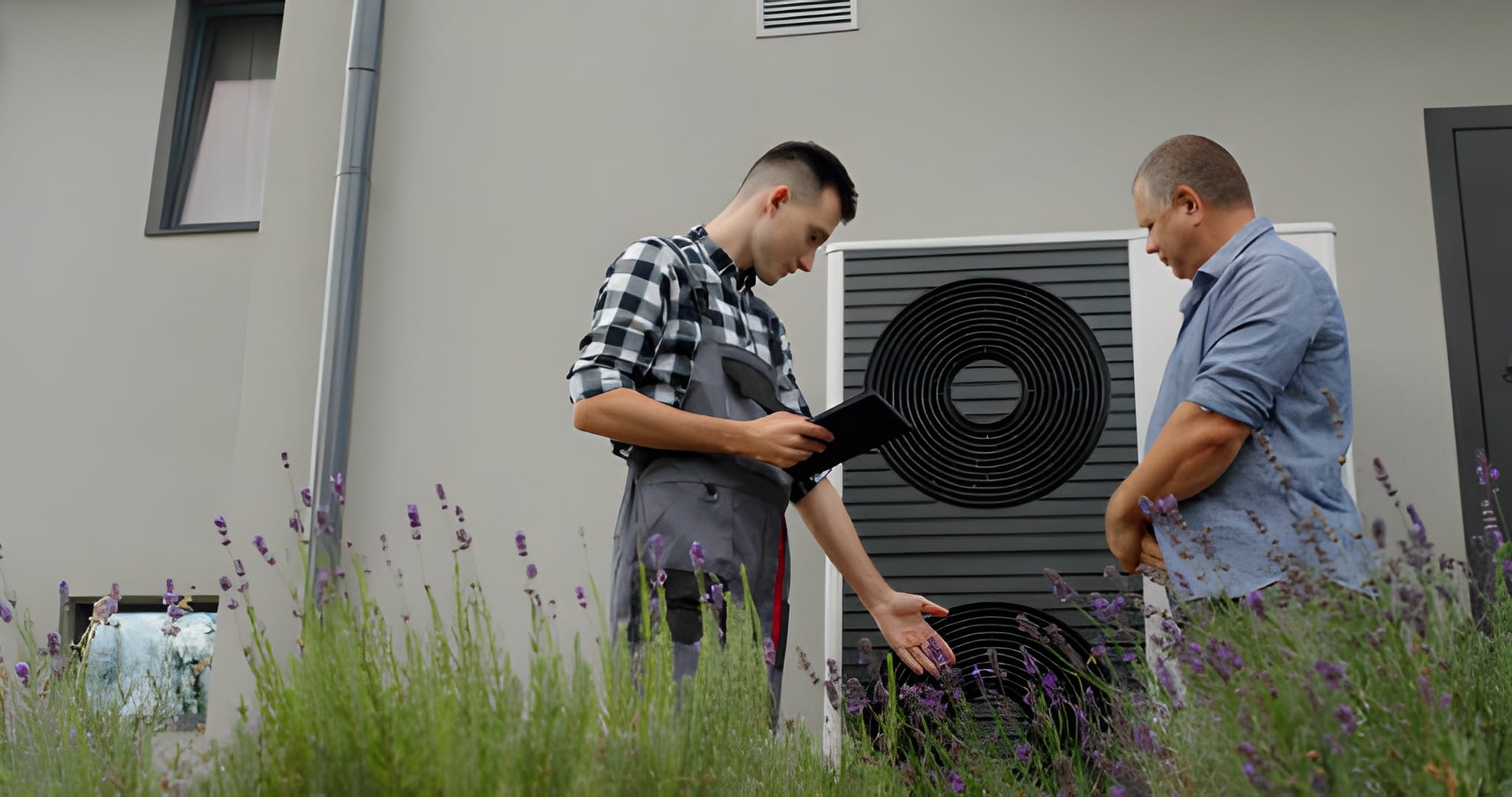
Keeping your heating and cooling systems tuned and reliable matters in Rock Island, WA. With hot, dry summers, cold winters and periodic wildfire smoke that impacts indoor air quality, preventative HVAC maintenance is one of the most cost-effective ways to preserve system efficiency, extend equipment life, and keep your home comfortable year round.
Why HVAC maintenance matters in Rock Island, WA
Rock Island’s climate produces wide temperature swings and seasonal dust and pollen. These conditions increase wear on HVAC components and create a higher risk of clogged filters, dirty coils, and reduced airflow. Wildfire smoke and valley dust can also degrade indoor air quality unless filters and ventilation are maintained. Regular maintenance helps prevent mid-season breakdowns, improves energy use during long cooling or heating runs, and reduces the chance of costly emergency repairs.
Common HVAC issues in Rock Island homes
- Clogged or dirty filters causing poor airflow and higher energy use
- Restricted outdoor condenser airflow from dirt, pollen, or debris
- Low refrigerant charge from slow leaks leading to cooling loss and compressor strain
- Dirty evaporator and condenser coils reducing heat transfer efficiency
- Thermostat drift or calibration errors resulting in uneven comfort
- Faulty safety controls or gas valve issues in furnaces
- Condensate drain clogs causing water damage or condensate overflow
- Worn blower motors, belts, and bearings that increase noise and reduce performance
Seasonal tune-up checklist (what professionals inspect and service)
A thorough seasonal tune-up covers core items that directly affect reliability, safety, and efficiency. Typical checklist items include:
- Filter inspection and replacement or recommendation on frequency for your home and system type
- Evaporator and condenser coil cleaning to restore heat transfer and efficiency
- Refrigerant level check and leak detection if needed (for heat pumps and AC)
- Thermostat calibration and control verification to ensure accurate temperature control
- Safety inspections including heat exchanger assessment, carbon monoxide risk check, gas pressure and valve operation for gas systems
- Electrical system review: tighten connections, check contactors, capacitors, fuses, and wiring for wear
- Blower assembly and motor inspection: clean blower wheel, check motor amperage and bearings
- Airflow and static pressure measurement to identify duct restrictions or balance issues
- Condensate line cleaning and trap check to prevent backups and mold growth
- Belt and pulley inspection on older equipment
- Operational performance tests: measure temperature differentials, refrigerant pressures, and system run times
- Ductwork visual inspection for obvious leaks, disconnected ducts or insulation issues
- Maintenance report and recommendations documenting condition and any repairs or parts that may be needed soon
What technicians will test and measure
During a tune-up, technicians typically run diagnostic checks that include electrical current draw, refrigerant pressures and subcooling, temperature split across the evaporator, combustion efficiency for gas furnaces, and airflow readings. These objective measurements identify declining performance before failure and provide a baseline for future visits.
Benefits of regular HVAC maintenance
- Improved energy efficiency: Clean coils, correct refrigerant charge and proper airflow lower utility costs.
- Longer equipment lifespan: Routine lubrication, adjustments and cleaning reduce premature component failure.
- Fewer emergency breakdowns: Early detection of issues prevents costly mid-season failures.
- Enhanced safety: Combustion and electrical safety checks reduce fire and carbon monoxide risk.
- Better indoor air quality: Regular filter changes and coil cleaning reduce dust, allergens and smoke particles circulating indoors.
- Warranty protection: Many manufacturers require regular professional maintenance to keep warranties valid.
- Predictable budgeting: Scheduled maintenance identifies needed repairs before they escalate.
Maintenance plan types and what they typically include
Homeowners in Rock Island usually choose from a few standard plan structures designed to match system type and household needs:
- Single-season tune-up: One professional inspection and cleaning for either cooling season (spring) or heating season (fall). Good for newer systems or seasonal homeowners.
- Biannual maintenance plan: Two seasonal tune-ups per year (AC in spring, furnace in fall). This is the most common option for year-round comfort and warranty compliance.
- Comprehensive plan: Biannual visits plus routine filter replacements, priority service scheduling and a full system performance report. Designed for older systems or homes with indoor air quality concerns.
- Commercial or multi-system plans: Tailored coverages for properties with multiple units, zoning systems or ductless mini-splits.
Plans commonly specify what the visit includes, recommended filter types and intervals, and any documentation provided after service. They do not guarantee parts longevity but often include service discounts or priority response options as part of higher-tier plans.
What to expect after a maintenance visit
You should receive a clear service summary that lists work performed, test results, and any recommended repairs or parts likely to need attention soon. Reports often show measured values (temperatures, pressures, amperage) so you can compare performance over time. Ask for recommendations tailored to Rock Island conditions, such as filter MERV ratings during wildfire season or sealing ductwork in dusty areas.
Simple maintenance tips homeowners can do between visits
- Replace disposable filters every 1 to 3 months depending on use and local dust levels.
- Keep condenser units free of leaves, grass clippings and debris.
- Maintain clear space around outdoor equipment for airflow.
- Program thermostats for efficient setpoints and use zoning where available.
- Check vents and returns to ensure they are unobstructed by furniture.
- During wildfire season, increase filtration or run HVAC on recirculate with high-efficiency filters to reduce indoor smoke infiltration.
FAQ
Q: How often should I schedule HVAC maintenance for Rock Island homes?
A: For most homes, biannual maintenance—an AC tune-up in spring and a furnace or heat pump heating tune-up in fall—is recommended. Homes with high dust, pets, or frequent wildfire smoke may benefit from more frequent filter changes and attention.
Q: What does a typical seasonal tune-up cost and how long does it take?
A: Costs vary by local market and system complexity. A single tune-up is often completed in 60 to 90 minutes; comprehensive inspections may take longer. Pricing details are provided by service providers and may depend on system age and components.
Q: Will maintenance improve my indoor air quality during wildfire season?
A: Yes. Regular filter changes, coil cleaning, and ensuring proper ventilation and sealing can significantly reduce indoor smoke and particulate infiltration. Upgrading to higher-efficiency filters during smoke events helps capture finer particles.
Q: Can tune-ups prevent emergency breakdowns in extreme heat or cold?
A: Regular maintenance reduces the risk of failure by identifying worn parts, refrigerant issues, and airflow restrictions before they cause system overload. While no maintenance can eliminate every risk, it greatly lowers the likelihood of mid-season emergencies.
Q: Do maintenance visits affect manufacturer warranties?
A: Many manufacturers require proof of regular professional maintenance to keep warranty coverage valid. Keep service records and maintenance reports as documentation of compliance.
Q: What should I have ready before a technician arrives?
A: Ensure safe access to equipment, clear debris from outdoor units, and list any recent issues like odd noises, uneven comfort or higher bills. Having recent utility bills handy can help evaluate efficiency changes.