
HVAC Maintenance in Plain, WA

Scroll down to discover more
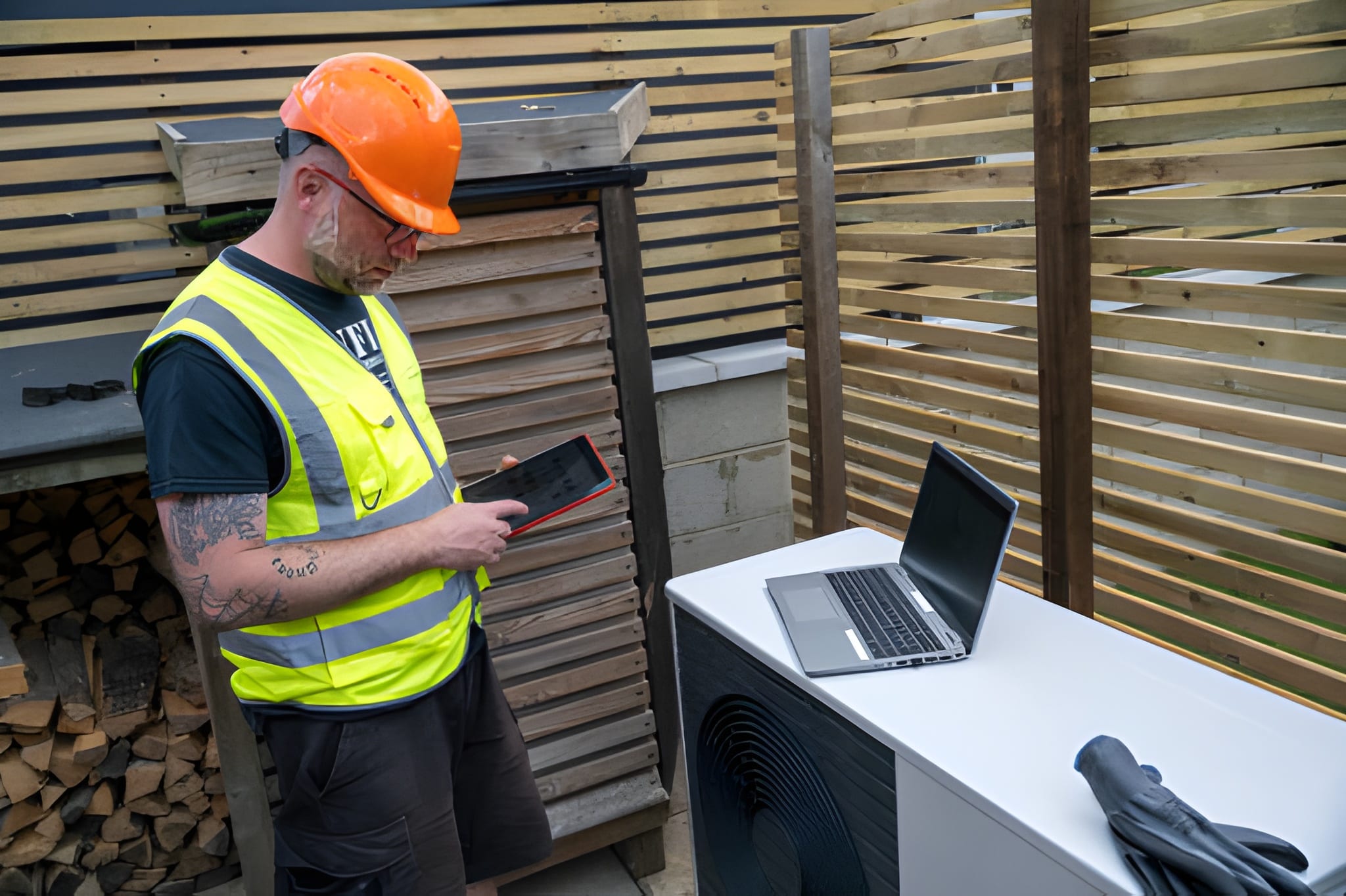
Keeping your heating and cooling systems tuned and reliable matters in Plain, WA. With sharp temperature swings between cold, snowy winters and hot, dry summers — plus seasonal wildfire smoke and pollen — regular HVAC maintenance protects comfort, indoor air quality, and equipment life.
Why regular HVAC maintenance matters in Plain, WA
Plain experiences heavy heating demand in winter and significant cooling or dehumidification needs in summer. Outdoor units are exposed to snow, ice, dust from local orchards and roads, and occasional smoke events. Those local factors increase wear and can clog filters and coils faster than in milder climates.
Regular maintenance:
- Keeps systems running efficiently through seasonal extremes
- Reduces the risk of breakdowns during peak heating or cooling months
- Helps maintain healthy indoor air when outdoor smoke or pollen levels are high
- Preserves manufacturer warranties by following recommended service intervals
Common HVAC maintenance services for Plain homes
Preventative maintenance is a set of inspections, cleanings, adjustments, and safety checks done by qualified technicians. Typical services include:
- Seasonal tune-ups (spring AC service, fall furnace service)
- Air filter inspection and replacement recommendations
- Evaporator and condenser coil cleaning
- Refrigerant level check and leak detection
- Combustion inspection and carbon monoxide testing for gas furnaces
- Electrical component and connection inspection
- Blower motor and belt checks, lubrication as required
- Thermostat calibration and control testing
- Condensate drain clearing and pan inspection
- Duct visual inspection and sealing recommendations
- Heat pump and mini-split specific checks (reversing valve, defrost cycle)
Detailed checklist — what technicians inspect and adjust
Furnace checklist
- Visual inspection of burner assembly and combustion chamber
- Heat exchanger check for visible cracks or corrosion
- Combustion testing and venting/flue inspection
- Ignition and safety control testing
- Blower assembly cleaning and motor bearing check
- Air filter assessment and replacement guidance
- Electrical connections and limit switch testing
Air conditioner checklist
- Outdoor condenser coil cleaning and debris removal
- Evaporator coil inspection and cleaning if accessible
- Refrigerant pressure and superheat/subcooling check
- Compressor and fan motor observation
- Capacitor and contactor health check
- Condensate drain and trap cleaning
- Thermostat and control sequence testing
Heat pump and mini-split checklist
- Reversing valve and defrost sequence testing
- Refrigerant charge and operating pressures
- Indoor and outdoor coil inspection and cleaning
- Indoor air handler cleaning and drain check
- Electrical components and communication checks
Safety and efficiency checks
- Carbon monoxide test for combustion appliances
- Gas leak check and gas pressure verification
- System safety control testing
- Basic duct leakage assessment and insulation recommendations
Refrigerant and combustion inspections explained
Refrigerant inspections confirm systems are charged to manufacturer specifications and check for leaks that reduce performance and damage compressors. Technicians measure pressure, temperature, and perform leak detection when levels are low.
Combustion inspections for gas or oil furnaces ensure burners are operating cleanly and safely. Proper combustion prevents carbon monoxide production, ensures efficient fuel use, and identifies deteriorating components before they fail.
What to expect during a maintenance visit
A professional maintenance visit typically follows this process:
- Technician arrives and performs a safety check and system shutdown.
- Visual and hands-on inspection of indoor and outdoor components.
- Cleaning of coils, condensate lines, and accessible components.
- Diagnostic testing of electrical, refrigerant, and combustion systems.
- Calibration and adjustment of controls and thermostats.
- Written or verbal summary of findings with recommended repairs or parts replacement.
Technicians use manufacturer-approved procedures and document test results so you have a clear record of system health.
Benefits of preventive HVAC maintenance
- Improved energy efficiency and lower operating costs
- More consistent comfort and better temperature control
- Reduced likelihood of emergency repairs during extreme weather
- Extended equipment service life and delayed replacement needs
- Safer operation through combustion and CO testing
- Better indoor air quality when filters and coils are clean
- Easier warranty compliance and clearer maintenance records
Typical maintenance plans and agreements
Maintenance plans give homeowners predictable service intervals and a clear approach to seasonal care. Common elements of plans include:
- Annual or biannual tune-ups timed for spring and fall
- Priority scheduling for plan members during peak seasons
- Detailed inspection reports after each visit
- Reminder scheduling for filters and follow-up services
- Options for single-system or whole-home coverage
- Customizable plans to include duct cleaning, indoor air quality services, or parts inspections
Plans are often tailored to the type of equipment you have. In Plain, where winter stress and summer dust are common, a biannual plan for heat pumps or homes with separate AC and furnace systems is frequently recommended.
Maintenance frequency and homeowner tips
- Furnace: service annually before the heating season
- Air conditioner: service annually before cooling season
- Heat pump: service twice a year if used heavily for both heating and cooling
- Filters: check monthly; replace or clean every 1 to 3 months depending on type and home conditions
- Keep outdoor units clear of snow, ice, leaves, and debris
- Consider upgraded filtration or air cleaning if wildfire smoke is a recurring issue
Regular basic checks by homeowners, like replacing filters and keeping vents unobstructed, complement professional maintenance and help systems perform at their best.
FAQs
Q: How often should my furnace and AC be maintained in Plain, WA?
A: Furnaces should be inspected annually ahead of winter. Air conditioners should be checked in spring. Heat pumps used year-round benefit from twice yearly service. High dust, pollen, or smoke conditions may require more frequent filter changes.
Q: Will maintenance improve my system efficiency?
A: Yes. Cleaning coils, verifying refrigerant charge, and ensuring combustion is correct all help systems run closer to manufacturer efficiency levels, which typically reduces energy use and improves comfort.
Q: What safety checks are performed on gas furnaces?
A: Technicians inspect burners and the combustion chamber, test for carbon monoxide, verify proper venting, and check ignition and safety controls to ensure safe, efficient operation.
Q: How do I know if my outdoor unit needs a servicing visit after winter?
A: Signs include unusual noises, reduced cooling capacity, visible debris or ice damage, or if the unit is cycling frequently. An annual spring tune-up will catch post-winter issues.
Q: Are maintenance plans worth it for rural homes near Plain?
A: For rural and seasonal climates like Plain, maintenance plans provide scheduled care, documentation, and priority access during peak seasons. They help prevent weather-related failures and maintain indoor air quality during smoke or pollen events.