HVAC Maintenance in Peshastin, WA

Scroll down to discover more
Keeping your heating and cooling system running smoothly year-round is especially important in Peshastin, WA. Local homes face hot, dry summers, cold winter snaps, seasonal wildfire smoke, and dusty valley conditions that put extra stress on HVAC equipment. Regular, professional HVAC maintenance and seasonal tune-ups protect your comfort, extend equipment life, preserve warranty coverage, and reduce utility bills.
Why seasonal HVAC maintenance matters in Peshastin
- Hot summers raise cooling demand and push air conditioners and heat pumps to their limits.
- Cold winters and freeze-thaw cycles increase furnace and heat pump wear.
- Dust, pollen, and wildfire smoke are frequent in the Wenatchee Valley and clog filters, coils, and indoor air quality devices faster than in many other regions.
- Rural properties and older homes often have legacy ductwork or aging equipment that benefits from closer monitoring.
Regular maintenance addresses these local stressors before they become costly breakdowns, improves indoor air quality during smoke season, and ensures systems run efficiently when you need them most.
Common HVAC issues in Peshastin homes
- Reduced cooling in summer due to dirty coils, clogged filters, or low refrigerant.
- Short cycling or loss of heat on furnace/heat pump after cold snaps.
- High energy bills from inefficient components or failing compressors.
- Indoor air quality decline during wildfire smoke events because filters and ventilation components are saturated.
- Electrical failures from corroded connections or aged capacitors exposed to wide temperature swings.
What a full seasonal tune-up includes (inspection checklist)
A professional maintenance visit typically follows a standardized checklist to identify current problems and prevent future failures:
- Filters
- Inspect filter type and condition
- Replace or recommend MERV level based on home needs
- Advise on filter replacement cadence for smoke/dust seasons
- Coils and condensers
- Clean evaporator and condenser coils
- Straighten fins and clear debris around outdoor unit
- Check drain lines and condensate pans for blockages
- Refrigerant system (for AC and heat pumps)
- Measure operating pressures and compare to factory specs
- Inspect for visible leaks or oil traces
- Verify proper superheat/subcooling when applicable
- Electrical components
- Test capacitors, contactors, relays, and breakers
- Tighten electrical connections
- Inspect thermostat wiring and controls
- Mechanical and safety checks
- Lubricate motors and bearings as needed
- Inspect belts, pulleys, and blower assembly
- Test safety switches, limit switches, and airflow
- Combustion and venting (for gas furnaces)
- Check burner operation and heat exchanger for cracks
- Inspect venting and flue seals
- Perform carbon monoxide baseline check when applicable
- Performance verification
- Measure temperature split, airflow, and system runtime
- Record electrical draw and refrigerant performance for trend tracking
- Provide a written service report with findings and recommendations
Recommended maintenance schedule for Peshastin homes
- Spring (April–May): Air conditioner and heat pump tune-up before cooling season. Clean coils, verify refrigerant, and inspect outdoor units after winter.
- Fall (September–October): Furnace and heat pump heating-season tune-up. Inspect combustion components, heat exchangers, and controls.
- Filter checks: Every 1–3 months under normal conditions; monthly during wildfire smoke or heavy pollen/dust seasons.
- Mid-season check: Optional short visit during peak summer or winter if the home experiences unusual performance or if the equipment is older than 10 years.
Benefits of regular HVAC maintenance
- Improved energy efficiency and lower operating costs — well-maintained systems typically use less energy.
- Greater reliability and fewer emergency repairs during extreme weather.
- Extended equipment lifespan through reduced wear and proactive repairs.
- Compliance with manufacturer warranty requirements — most warranties require documented annual maintenance.
- Better indoor air quality during wildfire smoke and peak pollen seasons when filters and ventilation are managed proactively.
- Documentation of system condition and repairs, useful when selling a home or applying for utility rebates and incentives.
Membership and service-plan options
Maintenance plans should be designed to fit different needs, from minimal coverage to complete peace of mind. Typical tiers include:
- Basic Plan
- Annual spring AC tune-up and fall furnace tune-up
- Priority scheduling window for routine visits
- Standard service report after each visit
- Preferred Plan
- All Basic services plus mid-season filter delivery options
- Faster response for non-emergency repairs
- Discounts on parts and diagnostic fees
- Seasonal reminders and performance trend reports
- All Basic services plus mid-season filter delivery options
- Premium/Comprehensive Plan
- Two full tune-ups per year plus interim filter replacements or shipments
- Priority emergency scheduling and waived diagnostic fees for covered systems
- System health tracking with documented performance data and manufacturer warranty compliance reports
- Energy-efficiency recommendations and lifecycle planning for replacement
Plans may include options for single systems (AC or furnace), whole-home coverage, or multi-year agreements with annual inspections and documentation. For Peshastin homeowners, plans that include increased filter frequency and seasonal checks during wildfire months are especially valuable.
What to expect during a maintenance visit
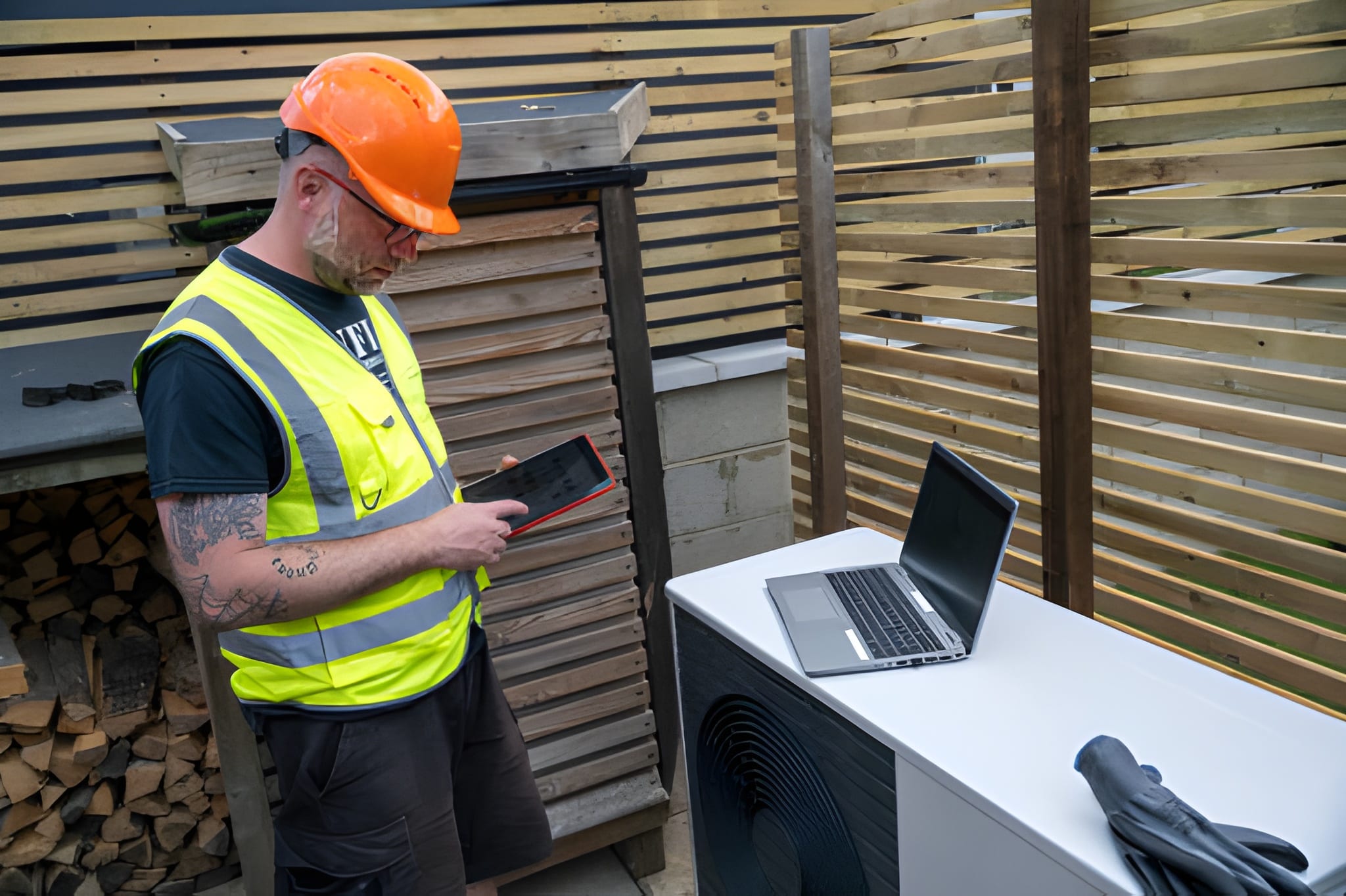
- Arrival with tools and checklist; identification provided by the technician.
- System shut down and safe inspection following manufacturer guidelines.
- Cleaning, component testing, adjustments, and brief operational tests.
- Clear, written service report showing what was inspected, readings taken, any issues found, and recommended next steps.
- If repairs are needed, an estimate and explanation of options (repair now vs. monitor).
Typical tune-up duration ranges from 45 minutes for a basic system inspection to 90 minutes for comprehensive service including coil cleaning and electrical tests.
How to enroll in a maintenance plan or schedule recurring service
- Choose the plan level that matches your comfort needs, system age, and local conditions (e.g., wildfire smoke season).
- Provide your system make/model and installation year so the maintenance schedule aligns with manufacturer recommendations.
- Select preferred seasonal visit windows (spring for cooling, fall for heating) and any additional filter shipment preferences.
- Receive a service agreement outlining covered services, expected visit frequency, and documentation provided.
- Expect an annual or semi-annual service calendar and digital/written reports after each visit for warranty records and homeowner records.
Enrollment processes vary, but most plans offer documented agreements, scheduled recurring appointments, and clear reporting for warranty compliance.
Long-term considerations and maintenance tips for Peshastin homes
- Upgrade to higher-efficiency filters during smoke season but verify compatibility with your blower to avoid reduced airflow.
- Consider periodic indoor air quality solutions—ventilation and filtration upgrades can reduce smoke and pollen impacts.
- Monitor system performance trends from service reports; small changes in refrigerant pressures or amperage can predict larger failures.
- For older systems, factor maintenance history into replacement decisions—consistent repairs on aging compressors often indicate time to replace.
FAQs
Q: How often should I have my air conditioner inspected in Peshastin?
A: At minimum, have a professional AC tune-up once each spring before peak cooling season; filter checks should occur every 1–3 months and monthly during wildfire smoke or high pollen periods.
Q: Will regular maintenance protect my manufacturer warranty?
A: Most manufacturers require documented annual maintenance by a qualified technician. A detailed service report that lists inspections and readings helps maintain warranty eligibility.
Q: What maintenance is most important during wildfire smoke season?
A: Increase filter replacement frequency, inspect and clean coils and ventilators, and consider upgraded filtration or standalone air cleaners to protect indoor air quality.
Q: Can maintenance improve my system’s energy bills?
A: Yes. Cleaning coils, ensuring correct refrigerant charge, tightening electrical connections, and replacing clogged filters all help systems run more efficiently and reduce energy use.
Q: Do mini-split systems need the same maintenance as central HVAC?
A: Mini-splits require similar attention—indoor and outdoor unit inspections, filter cleaning/replacement, drain checks, electrical testing, and refrigerant performance verification.
Q: How do I choose the right maintenance plan?
A: Match the plan to your system age, household sensitivities (allergies or smoke exposure), and desired response level. Homes in Peshastin often benefit from plans that include more frequent filter service and documented seasonal inspections.