
HVAC Maintenance in Monitor, WA

Scroll down to discover more
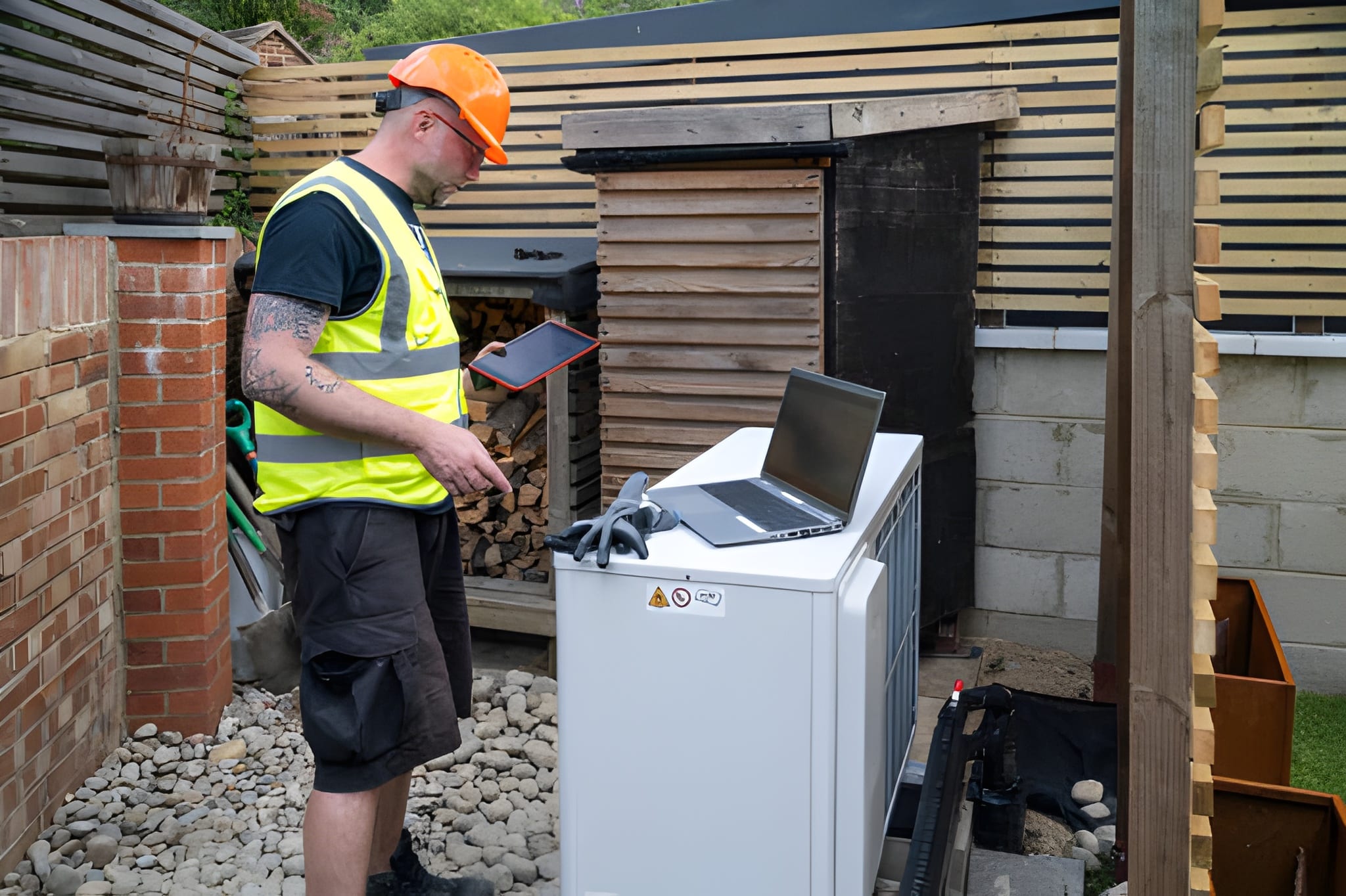
Keeping your HVAC system tuned and serviced is one of the most effective ways to protect comfort, reduce utility bills, and avoid unexpected breakdowns in Monitor, WA homes. With hot, dry summers and cold winters that place different stresses on cooling and heating equipment, a proactive HVAC maintenance program tailored to local conditions prevents degraded performance, preserves equipment life, and helps your system handle seasonal extremes and dust from orchards and rural roads.
Common HVAC problems in Monitor, WA homes
- Reduced cooling during summer peak days, often caused by dirty coils, low refrigerant, or restricted airflow.
- Uneven heating or cooling and short cycling when thermostats, sensors, or controls are out of calibration.
- Higher energy bills from clogged filters, failing motors, or improperly charged refrigerant.
- Noisy operation due to loose components, worn belts, or failing fan motors.
- Indoor air quality issues after wildfire smoke events or dusty seasons, leading to faster filter loading and clogged ducts.
- Condensate drain clogs and freezeups in shoulder seasons when humidity and temperatures fluctuate.
What a preventive HVAC maintenance program includes
A comprehensive preventive program and seasonal tune-up in Monitor, WA should cover the following core items to address the issues above and keep systems running efficiently:
- Filter changes and inspection
- Replace or clean filters to maintain airflow and protect coils. Frequency varies by filter type and local dust or smoke conditions.
- Refrigerant checks and leak detection
- Verify correct refrigerant charge and test for slow leaks that reduce efficiency and damage compressors.
- Electrical and safety inspections
- Tighten connections, test capacitors and contactors, inspect breakers and controls for safe operation.
- Thermostat calibration and control checks
- Ensure setpoints match actual conditions and confirm proper communication with HVAC equipment.
- Airflow and blower performance testing
- Measure airflow, inspect blower wheel and motor, and correct issues that reduce heat transfer.
- Condensate drain and pan inspection
- Clear clogs, clean pans, and verify proper drainage to prevent water damage and microbial growth.
- Heat exchanger and combustion safety checks (for furnaces)
- Inspect for cracks and test venting and safety controls to protect against carbon monoxide risk.
- Outdoor unit cleaning and coil maintenance
- Remove debris, clear vegetation, and clean condenser coils so systems can reject heat efficiently.
- Duct and vent quick inspection
- Look for obvious leaks, blockages, or disconnected runs that reduce comfort and efficiency.
- Performance verification and system report
- Run the system through a full cycle, measure temps and pressures, and provide a summary of findings and recommended repairs.
Diagnostic and tune-up process (what happens during a visit)
- Visual inspection of indoor and outdoor units, ducts, and thermostat location.
- Replace or recommend appropriate air filter and check return/return grille condition.
- Start system and record operating temperatures, pressures, and amperages where applicable.
- Test electrical components and safety controls to confirm reliable operation.
- Check refrigerant levels and look for signs of leaks.
- Inspect condensate drains and pans, clear any blockages.
- Calibrate thermostat and verify program schedules or controls for heat pumps.
- Provide a clear service report outlining performance, any safety concerns, and prioritized repair recommendations.
Common repairs and straightforward solutions
- Refrigerant leak repair and recharge to restore cooling capacity.
- Replacement of worn capacitors, contactors, or relays that prevent reliable starts.
- Blower motor or belt service for weak airflow and noisy operation.
- Thermostat or sensor replacement when calibration cannot correct cycling or comfort issues.
- Duct sealing and basic insulation fixes to reduce heat loss and improve balance.
- Condensate drain line clearing and trap rebuilding to stop recurring water issues.
Fixing small items early avoids larger failures that commonly occur during peak heat or cold. In Monitor, where summertime cooling demand is high and shoulder seasons bring dust and smoke, timely repairs often pay back through lower bills and fewer emergency calls.
Benefits of regular HVAC maintenance in Monitor, WA
- Improved energy efficiency and lower monthly utility costs.
- More consistent comfort during hot summers and cold winter nights.
- Extended equipment life by reducing wear on motors and compressors.
- Fewer emergency breakdowns at the worst possible times.
- Better indoor air quality during wildfire or dusty seasons through cleaner filters and ducts.
- Preservation of manufacturer warranties that require documented maintenance.
Maintenance agreement and scheduling options
Maintenance agreements typically offer a structured way to keep equipment serviced on a predictable schedule. Common features designed for Monitor-area homeowners include:
- Two seasonal tune-ups per year (spring AC tune-up and fall heating tune-up) to prepare systems for peak summer and winter loads.
- Priority scheduling for maintenance windows and repair visits during seasonal busy periods.
- A written system inspection and performance report after each visit to document work for warranties and future planning.
- Flexible appointment windows to accommodate rural properties in the Monitor area and seasonal agricultural activity.
Scheduling seasonal tune-ups before high-demand periods is especially important in Monitor: spring service readies air conditioners for hot, dry summers while fall checks ensure furnaces and heat pumps are reliable before cold snaps.
Simple maintenance tips for homeowners between tune-ups
- Check and change disposable filters monthly during dusty or smoky conditions.
- Keep at least two feet of clearance around outdoor units and remove debris regularly.
- Keep vents and returns unobstructed by furniture or curtains for proper airflow.
- Monitor your utility bills and system behavior; rising costs or unusual noises usually mean it is time for service.
- Note any recurring odor, water stains, or persistent temperature swings and document when they occur to help technicians diagnose faster.
FAQs
Q: How often should HVAC systems be serviced in Monitor, WA?
A: Annual inspections are the minimum; two seasonal tune-ups per year (pre-summer and pre-winter) are recommended to address both cooling and heating needs and to handle local dust and smoke factors.
Q: Will maintenance lower my energy bills?
A: Yes. Properly cleaned coils, correct refrigerant charge, and unobstructed airflow let systems run less and maintain comfort, which typically reduces energy consumption.
Q: Can I change filters myself between services?
A: Absolutely. Regular filter changes are one of the best ways to preserve performance. Use the correct size and MERV rating recommended for your system and local air quality needs.
Q: Does maintenance cover heat pumps and mini-splits the same as central AC and furnaces?
A: Core maintenance tasks are similar—filters, refrigerant, electrical checks, and coil cleaning—but tune-ups are adjusted for heat pump reversing valves, defrost cycle checks, and multi-zone mini-split controls.
Q: What are warning signs I should schedule maintenance or repairs right away?
A: Unusual noises, persistent temperature swings, unexplained spikes in energy bills, visible leaks near equipment, and cycling on and off more frequently than normal are indicators to address promptly.