HVAC Maintenance in Leavenworth, WA

Scroll down to discover more
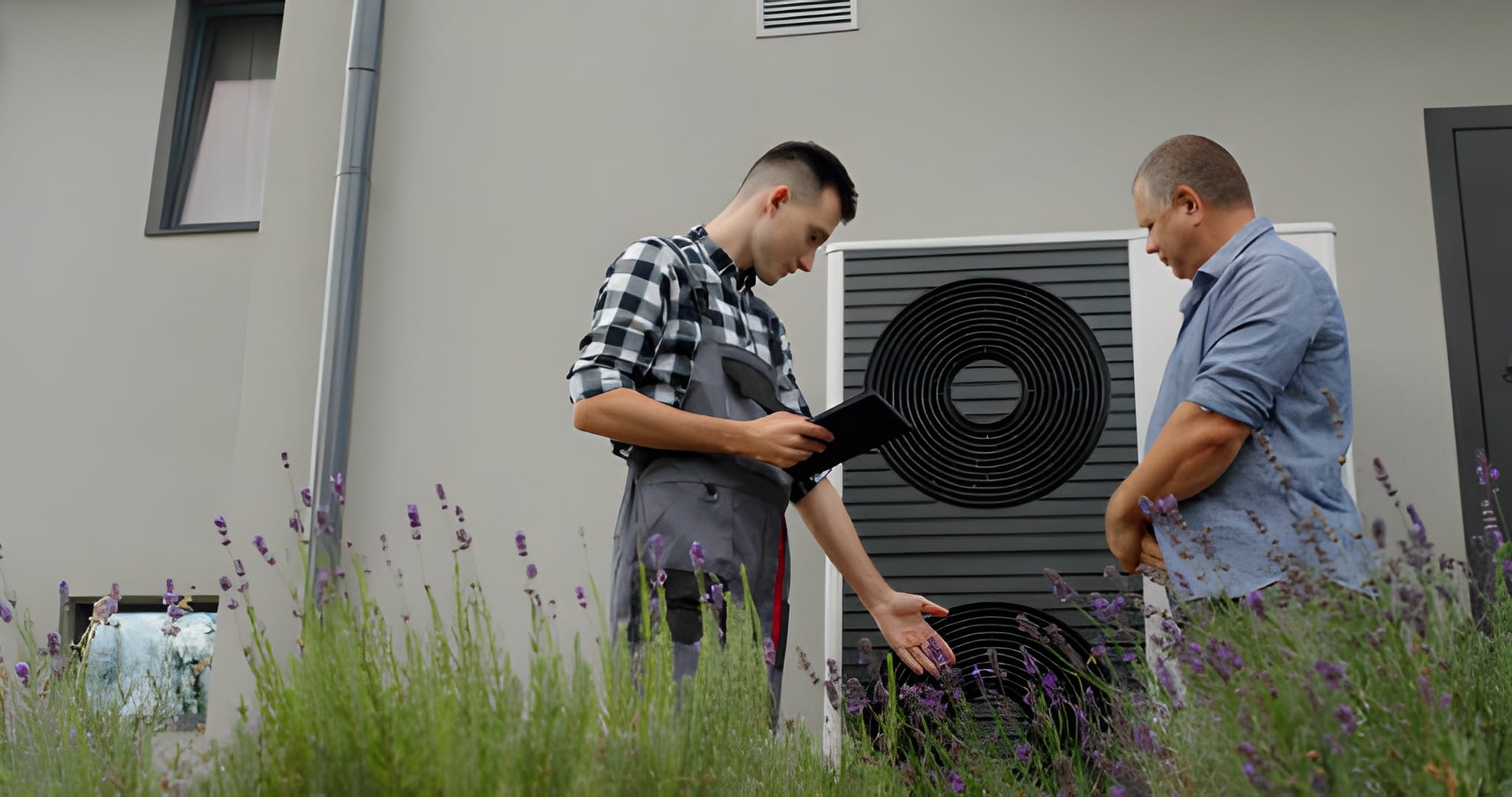
Keeping your heating and cooling system maintained in Leavenworth, WA protects comfort, reduces energy use, and prevents mid-season breakdowns. Leavenworth’s mountain climate — cold, snowy winters and warm, dry summers — places seasonal stress on HVAC equipment. Regular preventative maintenance and seasonal tune-ups tailored to local conditions preserve system efficiency, extend equipment life, and improve indoor air quality in both year-round homes and seasonal vacation properties.
Why preventative HVAC maintenance matters in Leavenworth homes
- Protects performance through seasonal extremes: Cold snaps and heavy snow can strain furnaces and heat pumps; hot, sunny summers increase AC run time. Maintenance ensures systems can handle those peaks.
- Improves reliability for second homes: Homes used seasonally or left idle need pre-season checks to avoid surprises when occupants return.
- Mitigates wildfire smoke and pollen: Leavenworth-area air quality events increase filter loading and require more frequent filter and coil attention to maintain airflow and indoor air quality.
- Saves energy and money over time: A well-maintained system runs more efficiently, reducing energy waste and delaying costly premature replacements.
- Maintains safety and warranties: Regular inspections check for carbon monoxide risks, gas leaks, and electrical safety while meeting many manufacturer warranty conditions.
Common HVAC problems in Leavenworth and what causes them
- Clogged filters and reduced airflow from smoke, pollen, and pet dander
- Frosted or frozen heat pump coils during prolonged cold snaps
- Condensate drain blockages after heavy cooling cycles or spring melt
- Reduced efficiency from dirty evaporator and condenser coils
- Thermostat calibration drift after long idle periods
- Short-cycling and compressor stress during extreme temperature swings
- Pilot/electronic ignition failures in older furnaces
What a seasonal tune-up and preventative maintenance program includes
A professional tune-up covers the key items that keep systems safe and efficient. Typical seasonal service includes:
- Filter inspection and recommended filter change (type and frequency reviewed)
- Visual and operational inspection of furnace, heat pump, or AC equipment
- Coil cleaning (evaporator and condenser) to restore heat transfer
- Condensate drain cleaning to prevent water damage and microbial growth
- Refrigerant level check and basic leak indicators (no intrusive leak searches)
- Electrical connections inspection and safety checks
- Blower motor and fan inspection, belt checks, and lubrication as needed
- Thermostat calibration and system performance testing
- Combustion safety check and carbon monoxide test for gas appliances
- System efficiency and airflow measurement with a performance report
- Seasonal recommendations (filter type, humidification, insulation, ventilation)
Maintenance plan options (what to expect)
Plans are designed to match different needs—single-family year-round homes, vacation homes, and high-usage households. Pricing varies by system type and property; plan descriptions help you choose the right level of ongoing care.
- Basic Annual Tune-Up
- One seasonal inspection and tune-up (furnace in fall or AC in spring)
- Filter check and basic coil/condensate cleaning
- Service report with recommended repairs
- Standard Biannual Maintenance
- Two tune-ups per year (one heating, one cooling)
- Priority scheduling for seasonal slots
- Filter replacement guidance and seasonal readiness checks
- Discounted diagnostic fee for repairs between visits
- Premium Recurring Care
- Biannual inspections plus mid-season filter service as needed
- Priority emergency service and preferred appointment windows
- Detailed system performance tracking and extended service records
- Additional benefits such as discount on parts and labor for covered equipment
Each plan can be adapted for furnaces, air conditioners, heat pumps, ductless mini-splits, or whole-house systems. Plans may include digital reminders, documented service history, and recommended replacement timelines based on local operating patterns.
How technicians diagnose issues during maintenance
Technicians follow a methodical process to identify current problems and spot emerging issues before failure:
- Confirm system history and recent performance notes
- Conduct a visual inspection of indoor and outdoor units for damage, debris, and airflow obstruction
- Measure airflow, temperatures, and electrical readings to verify operating ranges
- Inspect and clean coils and drains, and replace or recommend filters
- Test safety devices, ignition systems, and, for gas appliances, combustion safety and CO levels
- Check refrigerant charge and compressor operation where applicable
- Provide a plain-language service report with prioritized recommendations
Seasonal timing and frequency recommendations for Leavenworth
- Heat systems: Annual fall tune-up before consistent cold weather; homes with high usage or older furnaces may benefit from additional mid-winter checks.
- Cooling systems: Spring tune-up before the first sustained warm spell to restore summer efficiency.
- Heat pumps: Twice-yearly inspections (spring and fall) because they handle both heating and cooling loads.
- During wildfire season or high pollen months: Check and change filters more frequently; consider higher-efficiency filter options for improved air quality.
Enrollment and recurring service instructions (what to expect)
Signing up for a recurring maintenance plan is typically straightforward and designed to be flexible:
- Review plan options and choose the frequency and coverage that match your system type and home usage.
- Provide basic system details (make, model, age), property access notes, and preferred seasonal windows for service.
- Confirm scheduling preferences for annual or biannual visits and whether reminders should be by email, text, or mail.
- Authorize recurring visits and review any terms regarding cancellation, rescheduling, or transfer for vacation properties.
- Receive a documented maintenance schedule and service record after each visit to support warranty and resale value.
Long-term benefits of regular HVAC maintenance
- More predictable operation and fewer surprise repairs
- Prolonged equipment life and delayed replacement costs
- Better energy efficiency and lower seasonal energy use
- Improved indoor air quality, comfort consistency, and safety
- Clear documentation for warranties and property transactions
Regular HVAC maintenance tailored to Leavenworth’s climate and air quality patterns keeps your system dependable when you need it most. Proper seasonal tune-ups and a thoughtful recurring plan protect comfort, safety, and investment over the life of your equipment.
FAQs
Q: How often should I change filters in Leavenworth homes?
A: Filter frequency depends on filter type and household factors. During wildfire season or high pollen periods change filters more often—typically every 1 to 3 months for standard filters; higher-efficiency filters may last longer but should be checked monthly.
Q: Do heat pumps need maintenance in both spring and fall?
A: Yes. Heat pumps perform both heating and cooling, so biannual inspections in spring and fall ensure both modes are operating efficiently and safely.
Q: Will routine maintenance really extend the life of my system?
A: Regular maintenance reduces strain, prevents small issues from becoming major failures, and helps components run within design specifications, which collectively extends useful equipment life.
Q: Can maintenance help with high utility bills?
A: Yes. Cleaning coils, replacing filters, checking refrigerant, and ensuring proper airflow restore efficiency, often reducing energy waste and improving comfort without major equipment changes.
Q: What should owners of seasonal or vacation properties in Leavenworth do differently?
A: Schedule pre-arrival inspections to verify safe operation after idle periods, consider winterization steps, and set up recurring care with documented service records to reduce the risk of problems when the property is occupied.