
HVAC Maintenance in Cashmere, WA

Scroll down to discover more
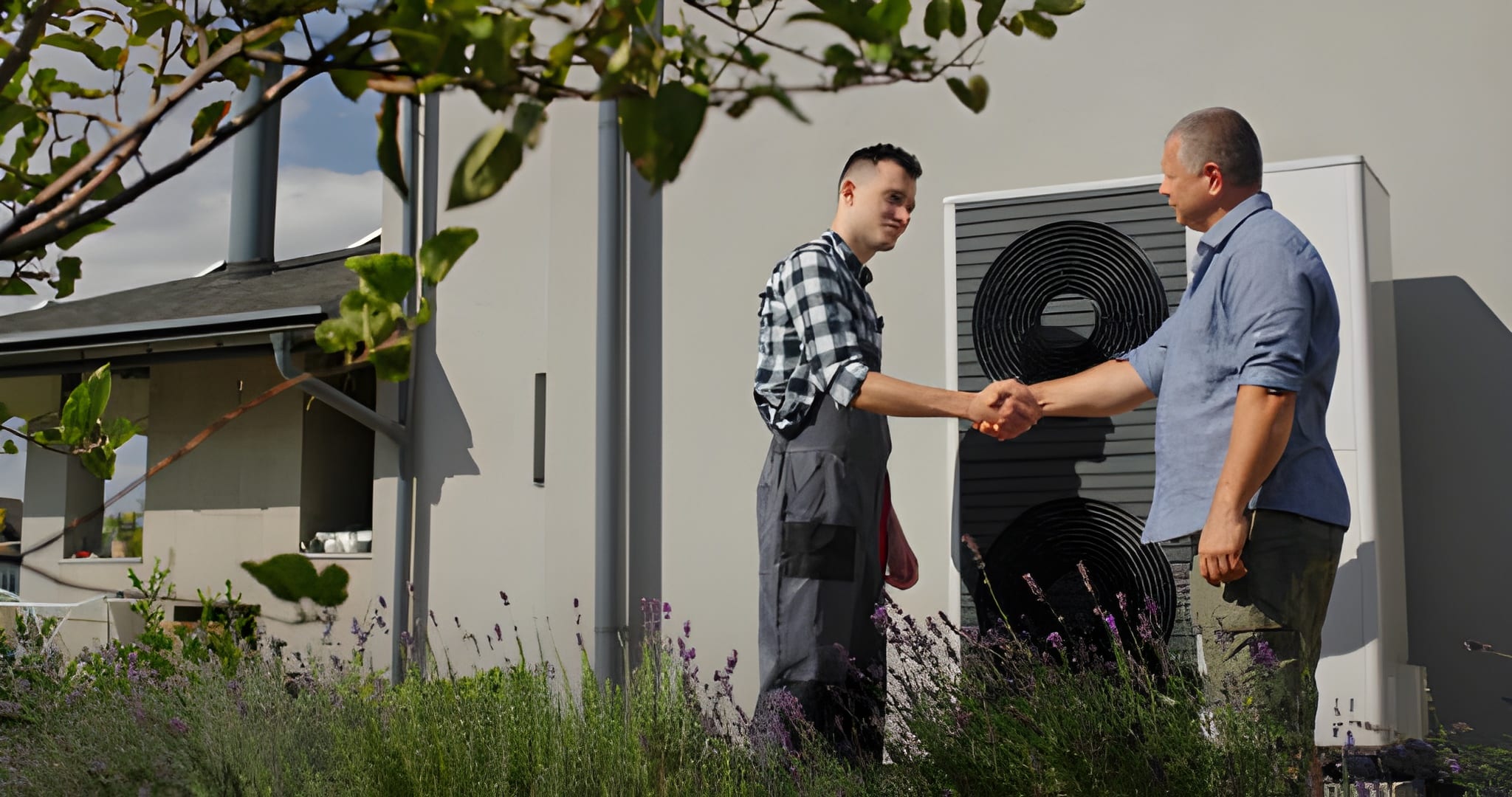
Keeping your heating and cooling system running reliably in Cashmere, WA requires more than occasional service. Our HVAC maintenance overview explains the seasonal tune-ups, inspections, cleaning, and preventive repairs homeowners need to protect comfort, control energy costs, and extend equipment life. Cashmere’s hot, dry summers, cold winter nights, and seasonal dust and wildfire smoke create unique stressors on HVAC equipment. Regular maintenance tailored to these local conditions prevents breakdowns when you need your system most.
Why HVAC maintenance matters in Cashmere, WA
- Cashmere’s summer heat and intense sun increase cooling runtime and strain refrigerant systems and compressors.
- Orchard and river valley dust, pollen, and occasional wildfire smoke accelerate filter clogging and coil fouling, reducing airflow and efficiency.
- Cold snaps and freeze conditions in winter make furnace or heat pump checks essential to avoid frozen lines, ignition problems, and loss of heat.
- Preventive maintenance preserves system efficiency, lowers monthly energy use, and reduces the chance of emergency repairs during peak seasons.
Common HVAC maintenance services for Cashmere homes
- Seasonal tune-ups (spring cooling, fall heating) including system startup, performance checks, and safety tests.
- Filter inspection and replacement with guidance on MERV ratings appropriate for local air quality.
- Evaporator and condenser coil cleaning to restore heat exchange efficiency when dust or smoke deposits accumulate.
- Blower and motor service including lubrication, belt inspection, and airflow balancing.
- Refrigerant checks and leak detection to ensure proper cooling behavior and protect compressor life.
- Combustion and safety inspections for gas furnaces: heat exchanger inspection, flame sensor, and venting checks.
- Duct inspection and sealing to reduce leakage, improve distribution, and limit dust intrusion.
- Condensate drain cleaning and trap service to prevent water damage and microbial growth.
- Thermostat calibration and control system checks for accurate temperature control and efficient staging.
- Preventive repairs such as capacitor replacement, contactor checks, and minor electrical fixes identified during inspection.
What a typical professional maintenance visit includes
A thorough maintenance visit follows a consistent checklist so nothing is missed. Typical steps:
- Visual inspection of indoor and outdoor units for physical damage or debris.
- Replace or inspect air filters and recommend replacement frequency based on local conditions.
- Clean evaporator and condenser coils and vacuum drain pans.
- Measure refrigerant pressures and temperatures, check for leaks.
- Inspect electrical components, tighten connections, test capacitors and motors.
- Test safety controls, limit switches, and thermostat communication.
- Check airflow and blower performance; inspect ductwork where accessible.
- Verify proper startup, run cycles, and system response under load.
- Document findings and recommend repairs or improvements with clear explanations.
Technicians should provide an inspection report that lists measured values, identified issues, and prioritized recommendations so you can make informed decisions.
Typical maintenance-related repairs and solutions
- Dirty coils causing inefficient cooling: professional coil cleaning restores capacity and reduces run time.
- Low refrigerant or leaks: leak diagnosis and refrigerant recharge prevent compressor damage.
- Restricted airflow from clogged filters or ducts: filter upgrades and duct sealing improve comfort and lower utility bills.
- Worn capacitors or failing motors: timely replacements avoid compressor or blower failures.
- Clogged condensate lines: clearing drains prevents water overflow and mold risk.
- Thermostat calibration or control wiring problems: fixes improve temperature consistency and prevent short cycling.
Addressing small problems during maintenance avoids larger, costlier failures and keeps equipment under factory warranty terms.
Benefits of regular HVAC maintenance in Cashmere
- Energy savings: Maintaining proper refrigerant charge, clean coils, and unobstructed airflow typically reduces energy consumption.
- Longer equipment life: Preventive service reduces wear on key components, delaying major replacements.
- Improved indoor air quality: Proper filtration and clean coils reduce dust, pollen, and smoke residue circulating in the home.
- Safer operation: Combustion and electrical inspections identify hazards before they become emergencies.
- More reliable comfort: Regular tune-ups reduce the likelihood of mid-summer or mid-winter failures.
Maintenance plans and agreements
Maintenance plans provide a predictable approach to system care, especially useful in areas with seasonal extremes. Typical plan features:
- Scheduled biannual visits timed for pre-summer and pre-winter tune-ups.
- Priority scheduling during peak seasons.
- Discounted diagnostic rates or labor for covered repairs identified during maintenance.
- Filter replacement options and documented service history for warranty compliance.
- Detailed inspection reports and recommendations after each visit.
A maintenance agreement paired with a seasonal checklist helps homeowners in Cashmere manage the higher wear caused by summer heat, valley dust, and wildfire-related air quality events.
Homeowner maintenance tips for Cashmere properties
- Check and change filters monthly during heavy-use months or when smoke is present.
- Keep 2 to 3 feet of clearance around outdoor units; avoid irrigation spray and yard debris.
- Seal and insulate ductwork in unconditioned spaces to reduce efficiency losses.
- Install a programmable or smart thermostat and set temperature setbacks for reduced runtime.
- Schedule professional tune-ups before cooling season and before the heating season to catch issues early.
FAQs
Q: How often should I have HVAC maintenance performed in Cashmere?
A: Most homes benefit from professional maintenance twice a year: a cooling tune-up in spring and a heating tune-up in fall. Homes with pets, high dust, or wildfire smoke exposure may need more frequent filter changes.
Q: Will maintenance improve my energy bills?
A: Yes. Cleaning coils, tightening electrical connections, verifying refrigerant charge, and restoring proper airflow typically reduce energy use by improving system efficiency.
Q: Are heat pumps and mini-splits covered in regular maintenance?
A: Yes. Heat pumps and mini-split systems require similar seasonal checks including refrigerant inspection, coil cleaning, controller calibration, and reversing valve and defrost cycle checks.
Q: What does a maintenance plan usually include?
A: Plans commonly include scheduled biannual visits, priority service, inspection reports, and discounts on labor or parts for repairs discovered during service.
Q: Can maintenance prevent emergency breakdowns during peak heat or cold?
A: Regular preventive maintenance significantly reduces the risk of failures by catching worn parts, low refrigerant, and airflow issues before they cause system breakdowns.