Emergency HVAC Service in Wenatchee, WA

Scroll down to discover more
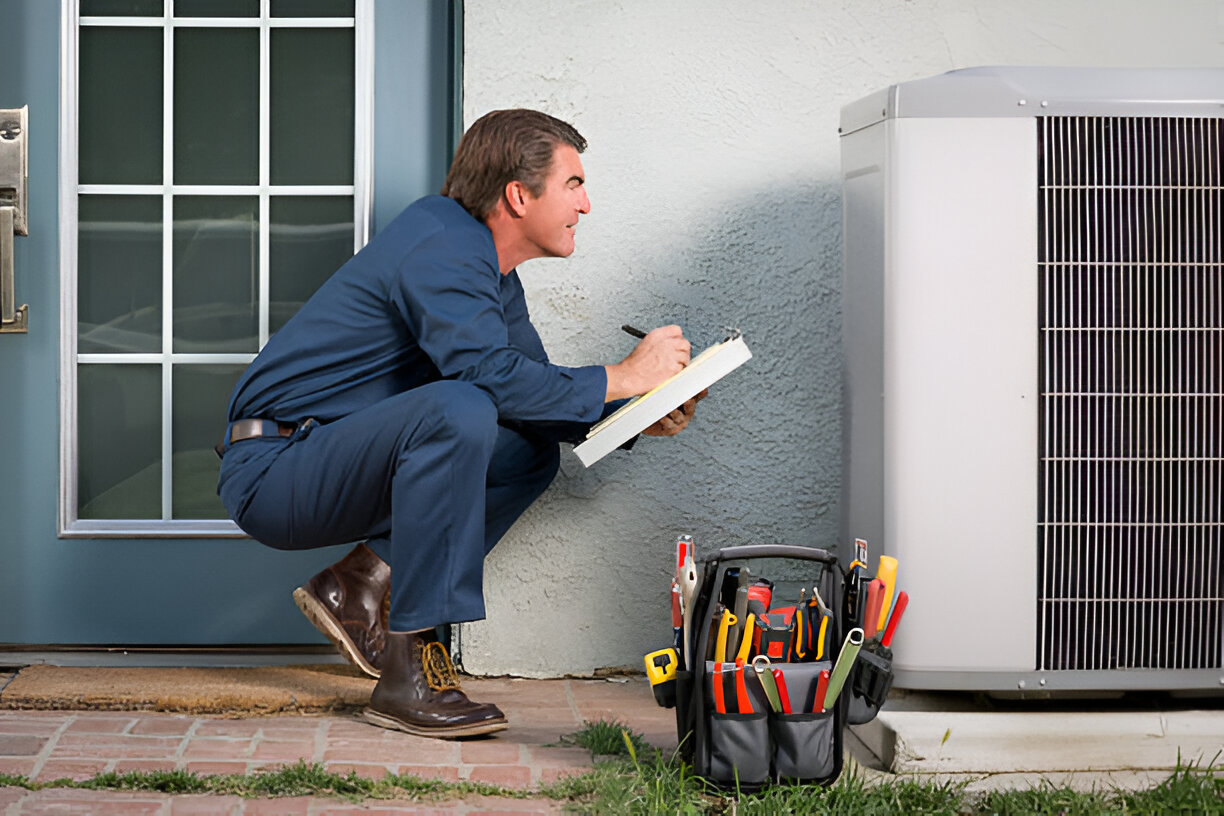
When your heating or cooling system stops working during Wenatchee’s heat waves or cold snaps, the problem is more than an inconvenience it can be a safety risk, a comfort crisis, and a potential threat to sensitive belongings. Emergency HVAC service in Wenatchee, WA focuses on fast diagnosis, on-site temporary solutions to restore safe operation, and durable repairs or replacements to get your home comfortable again.
Why rapid response matters in Wenatchee
Wenatchee’s interior climate produces hot, dry summers and chilly winters. Extended loss of air conditioning in summer can create dangerously high indoor temperatures for children, older adults, and pets. Likewise, loss of heat on cold nights risks frozen pipes and hypothermia. Emergency HVAC service prioritizes these time-sensitive risks and aims to restore safe, temporary comfort while diagnosing root causes.
Common emergency HVAC scenarios in Wenatchee
- Complete system failure: outdoor condenser or furnace won’t start, no blower response, dead thermostat.
- No cooling during heat waves: compressor failures, refrigerant loss, condenser motor or capacitor failure.
- No heat in winter: pilot or ignition failure, failed heat exchangers, blocked flues, or faulty control boards.
- Intermittent operation and frequent cycling: potential electrical or control failures that can cause system damage.
- Strange smells or burning odors: possible electrical shorts, overheated components, or gas issues.
- Carbon monoxide alarm or suspected gas leak: requires immediate safety action and professional evaluation.
How to recognize an urgent HVAC failure
- No heat during sub-freezing nights or no AC during sustained 90+ degree days.
- Visible smoke, sparks, or persistent burning smell from your furnace, heat pump, or electrical panel.
- Strong smell of gas or activation of carbon monoxide/combustion detectors.
- Water pooling from HVAC equipment or burst/icing pipes.
- System won’t power on and breakers/tripped switches return instantly when reset, or fuse failure.
- If you see any signs of fire, gas leak, or CO alarm, evacuate the premises and contact emergency services first.
Immediate safety steps to take before technicians arrive
- If you smell gas or CO alarm is active: evacuate and follow local emergency instructions.
- Turn off the HVAC system at the thermostat and switch off the outdoor disconnect if safe to do so.
- Do not attempt to work on electrical components, refrigerant lines, or gas connectors.
- Open windows and ventilate if safe and weather permits.
- Move vulnerable occupants and pets to a safe, temperate location if possible.
Rapid dispatch and diagnostic procedures
Emergency response begins with triage: technicians collect key details about symptoms, system type (furnace, heat pump, central AC, mini-split), age, recent maintenance history, and occupant risk factors. In Wenatchee, crews often expect issues related to seasonal load extremes and aging equipment exposed to wide temperature swings.
On arrival the diagnostic process typically includes:
- Visual safety inspection for gas leaks, electrical damage, water intrusion, and combustion issues.
- System startup attempts with monitored voltages and controls to observe faults.
- Refrigerant pressure checks and leak scan for air conditioning emergencies.
- Combustion and CO testing for furnaces and gas appliances.
- Quick parts assessment to identify likely failed components (motors, capacitors, control boards, igniters).
Technicians prioritize fixes that restore safe operation quickly while preventing further damage.
On-site temporary solutions and full repairs
Temporary solutions are implemented to stabilize your home while parts are sourced or a comprehensive repair is scheduled:
- Resetting and testing electrical components and safely bypassing noncritical wiring when appropriate.
- Activating auxiliary or emergency heat modes on heat pumps and furnaces.
- Installing temporary heating elements or recommending safe supplemental heaters when appropriate and safe.
- Sealing minor refrigerant leaks to allow short-term cooling when safe and permitted by regulations.
- Isolating unsafe components and tagging equipment out of service.
Full repair options depend on diagnostics: component replacement (motors, capacitors, compressors, igniters, control boards), refrigerant recovery and recharge, heat exchanger replacement, or system replacement when repair is unsafe or uneconomical. Technicians will explain the tradeoffs between repair and replacement based on system age, efficiency, and the severity of the failure.
Safety checks technicians perform
- Combustion safety: heat exchanger integrity, proper venting, and burner condition.
- Combustion gas analysis and carbon monoxide measurement.
- Electrical safety: grounding, proper fuse and breaker sizing, and identifying overloaded circuits.
- Refrigerant system integrity and pressure testing.
- Airflow assessment: filters, blower function, and duct obstructions that can cause overheating or freeze-ups.
These checks protect occupants and reduce the likelihood of repeat emergencies.
Priority scheduling for vulnerable situations
Emergency services are triaged by severity and occupant risk. Homes with infants, elderly residents, people with medical needs, or extensive property at risk (e.g., pipe-freeze exposure) receive priority scheduling. During extreme weather events, emergency teams prioritize life-safety concerns and restore temporary comfort measures while planning permanent repairs.
What to expect after emergency service
- A written summary of findings, temporary measures taken, and recommended repairs or replacements.
- Safety documentation for any unsafe conditions identified and actions taken to mitigate them.
- Estimated timelines for parts procurement and follow-up repairs.
- Guidance on interim operation and energy considerations specific to Wenatchee’s seasonal demands.
- Keeping maintenance records and service reports helps with warranty claims and future emergency triage.
Preventing future emergencies
- Annual or semi-annual tune-ups before summer and winter to spot wear and reduce mid-season failures.
- Replace air filters regularly and keep outdoor units free of debris and vegetation.
- Consider upgrading older systems or installing zoning and smart controls to reduce stress and uneven wear.
- Ensure carbon monoxide and smoke detectors are installed and maintained.
FAQ
Q: How do I know if my HVAC issue is an emergency?
A: An emergency is a system failure that creates a safety risk or threatens occupants or property: no heat during freezing weather, no cooling during extreme heat, gas smell, active CO alarms, smoke, electrical sparking, or major water leaks. If any of these are present, treat the situation as an emergency.
Q: What information should I have ready when contacting emergency HVAC service?
A: Have your location, system type (furnace, heat pump, AC, mini-split), equipment age and brand if known, a clear description of symptoms, whether CO or smoke detectors activated, and details about vulnerable occupants. This speeds triage and response.
Q: Can technicians make temporary repairs to restore comfort?
A: Yes. Technicians commonly implement temporary fixes such as activating auxiliary heat, isolating unsafe components, making minor electrical adjustments, or temporarily addressing refrigerant issues to restore safe operation until permanent repairs or parts are available.
Q: Are gas leaks and carbon monoxide issues handled during emergency HVAC service?
A: Combustion safety is a top priority. Technicians perform CO testing, inspect venting and heat exchangers, and will isolate equipment that poses a risk. If a gas leak or CO is suspected, follow emergency safety protocols and allow professionals to assess before reusing the system.
Q: How can I reduce the chance of needing emergency service in Wenatchee?
A: Schedule seasonal maintenance before summer and winter, replace filters regularly, keep outdoor units clear of debris, and address small issues promptly before they escalate into failures during extreme weather.