Emergency HVAC Service in Terrace Park, WA

Scroll down to discover more
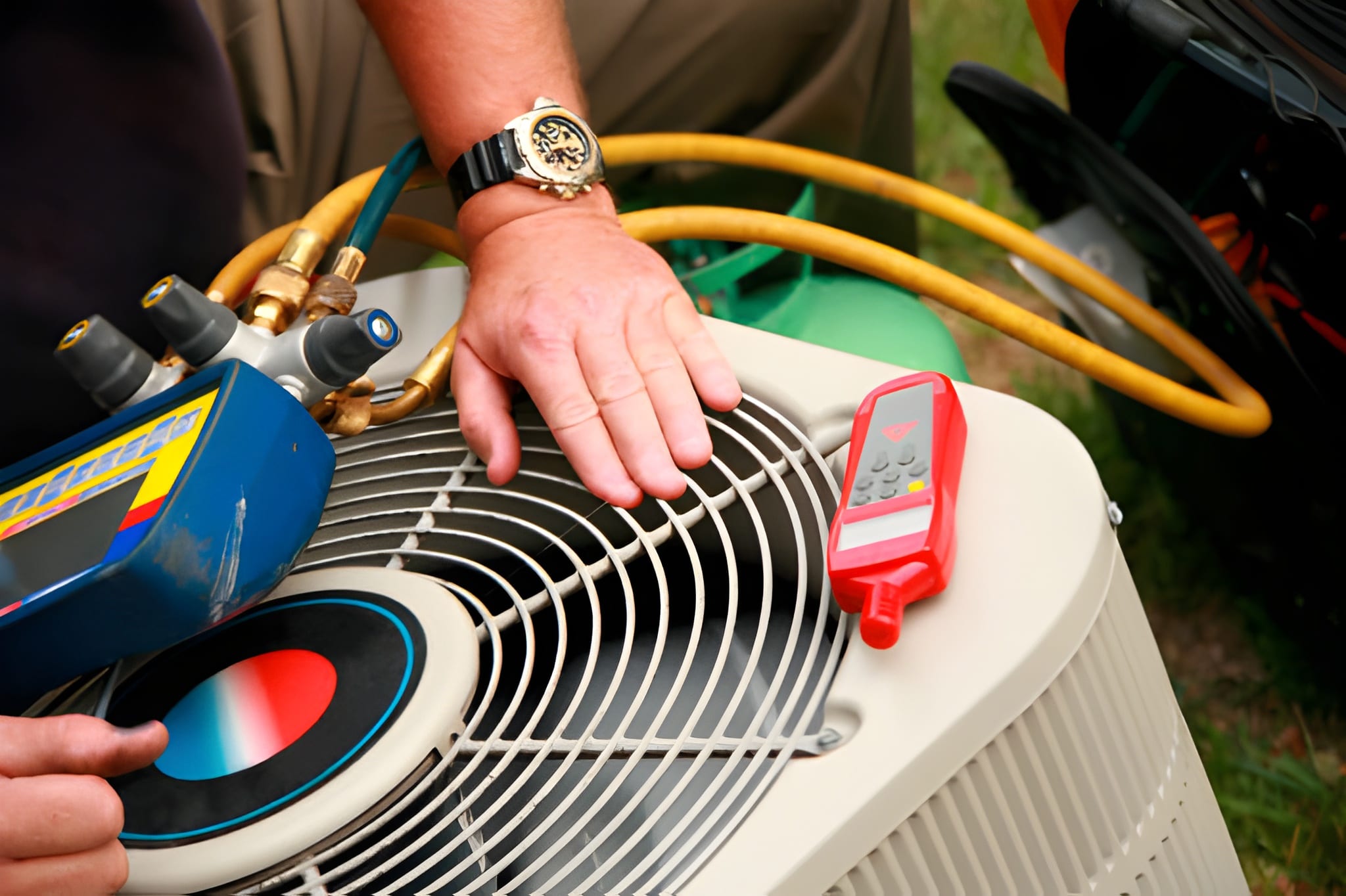
When your heating or cooling system fails at the worst possible moment, Emergency HVAC Service in Terrace Park, WA provides fast, focused help to protect comfort, health, and property. In Terrace Park homes the stakes can be high: summer temperatures in the Wenatchee Valley can rise quickly, and winter cold or overnight freezes create dangerous conditions for vulnerable residents and plumbing. This page explains what to expect from an emergency HVAC response, typical causes of urgent failures, the diagnostic and triage steps technicians use, realistic response-time expectations for the Terrace Park area, emergency repair workflows and temporary solutions, and simple prevention measures to reduce future emergencies
Common emergency HVAC scenarios in Terrace Park, WA
- Complete system failure during extreme heat or cold - no cooling on hot summer afternoons or no heat in freezing nights.
- Sudden loss of furnace ignition or repeated cycling - common during winter cold snaps and can lead to loss of heat.
- Refrigerant leaks or compressor failure - equipment that will not cool, sometimes accompanied by hissing sounds or ice on lines.
- Electrical faults and tripped breakers - sudden shutdowns, burning smells, or visible sparking.
- Condensate drain clog causing water overflow and water damage to ceilings or floors.
- Carbon monoxide concerns or gas smells - life-safety emergencies that require immediate evacuation and utility shutoff.
- Indoor air quality crises during wildfire season - heavy smoke infiltration increasing need for filtration or emergency ventilation adjustments.
- Outdoor unit damage from wind, fallen branches, or debris after storms.
How emergency response works
Emergency HVAC service is organized to prioritize safety and restore critical function quickly while minimizing additional damage. Typical response steps include:
- Rapid triage over the phone to assess life-safety risks (gas smell, CO alarm, medically vulnerable occupants) and to gather location, system type, symptoms, and access details.
- Dispatch of the nearest qualified technician with the appropriate diagnostic tools and commonly used emergency parts.
- Onsite safety assessment and stabilization before any repair begins.
Initial call triage - what technicians will ask
- Exact address and best access instructions for Terrace Park roads and driveways.
- Type of system (furnace, heat pump, central AC, mini-split) and approximate age if known.
- Symptoms observed (no power, short cycling, noises, water leaks, odors).
- Presence of infants, elderly, or residents with respiratory issues.
- Any visible hazards (gas smell, exposed wiring, water pooling).
Typical diagnostic and triage procedures
Technicians follow a structured diagnostic checklist to find root causes quickly while keeping safety first:
- Safety first: verify carbon monoxide and gas safety, shut down unsafe equipment if necessary.
- Electrical inspection: check breakers, switches, contactors, and visible wiring for faults.
- Controls and thermostat check: confirm settings, batteries, and communication between thermostat and system.
- Airflow and filters: inspect filters, blower motor operation, and duct access for blockages.
- Refrigeration and pressures: measure refrigerant pressures and look for signs of leaks or compressor lock.
- Combustion analysis (for gas furnaces): inspect ignition system, flame quality, and venting to rule out dangerous conditions.
- Condensate systems: check drain lines and secondary safety switches for clogs that cause water overflows.
These steps allow technicians to prioritize repairs that restore basic function quickly and to identify when a full replacement is the safer long-term option.
Estimated response times for Terrace Park, WA
- Immediate life-safety issues (gas smell, CO alarm, no heat for medically vulnerable occupants): typically prioritized for the fastest possible response; technicians aim to reach these calls as quickly as logistics allow.
- Critical comfort failures during extreme weather (heatwave or freeze): typical rapid-response windows are within a few hours, depending on road conditions and crew availability.
- Non-immediate emergencies (water leaks without electrical hazard, intermittent problems): same-day response is commonly targeted during business hours; rural access and seasonal demand can extend times slightly.
- Keep in mind Terrace Park’s semi-rural layout and seasonal spikes in demand can affect arrival windows; triage ensures the most dangerous situations are handled first.
Emergency repair workflow and temporary solutions
Emergency repairs focus on stabilizing the system, restoring safe operation, and preventing secondary damage:
- Immediate safety actions: shut off power or gas when necessary, ventilate spaces if odors or CO are present, and isolate water leaks.
- Quick diagnostics and short-term fixes: reset tripped breakers, replace failed fuses, clean or temporarily bypass clogged condensate drains using safe methods, and activate auxiliary heat sources within the system (electric heat strips) if available.
- Temporary comfort measures: technicians may suggest or set up safe temporary options such as running a system fan for improved circulation, recommending portable electric heaters or window AC units for short-term relief, or installing temporary filtration during smoke events.
- Repair plan and parts assessment: if a permanent repair requires special parts or additional labor, technicians will secure temporary fixes to keep the system safe and operational until full repair is completed.
- Follow-up and monitoring: after emergency work, a plan for complete repair or replacement is documented and scheduling arranged for final restoration when parts are available.
Note: Always avoid attempting complex repairs yourself. In cases of gas smells or CO alarm activation, evacuate immediately and contact the appropriate emergency authorities before any HVAC work.
Why prompt emergency HVAC service matters in Terrace Park
- Safety: identifying and stopping gas leaks, CO production, or electrical hazards prevents injury and property damage.
- Health: rapid response protects residents from extreme temperatures and poor air quality during wildfire smoke events, which are a seasonal concern in the region.
- Cost prevention: early intervention limits damage to compressors, heat exchangers, and ductwork that can otherwise lead to costly replacements.
- Comfort and continuity: fast stabilization keeps homes livable during weather extremes common to the Wenatchee Valley.
Simple steps to reduce HVAC emergencies
- Schedule seasonal tune-ups before summer and winter peaks to catch worn parts and leaks early.
- Change or inspect filters monthly during heavy use seasons.
- Keep outdoor units clear of leaves, snow, and debris; protect from falling branches.
- Install and maintain carbon monoxide detectors and a working smoke alarm.
- Ensure easy access to outdoor equipment and clear numbering on rural driveways for fast technician access.
FAQs
Q: What counts as an HVAC emergency in Terrace Park, WA?
A: An HVAC emergency includes any situation posing immediate danger (gas smell, CO alarm, electrical sparking), loss of heat or cooling during extreme temperatures when occupants are vulnerable, active water leaks threatening structure, or system conditions that could cause rapid equipment failure.
Q: How quickly can a technician arrive for an emergency in Terrace Park?
A: Response times vary by severity, crew location, and road conditions. Life-safety issues are prioritized for the fastest response; critical comfort failures during extreme weather typically see a rapid-response window of hours, while less urgent problems may be scheduled same day.
Q: Are temporary fixes safe and reliable?
A: Technicians prioritize safe temporary measures that restore basic function and prevent damage. These are intended as short-term solutions until permanent repairs or parts can be completed.
Q: What should I do immediately if I smell gas or a carbon monoxide alarm activates?
A: Evacuate the home immediately, move to a safe location, and contact emergency services or your local gas utility. Do not operate electrical switches or HVAC equipment until the area is declared safe by professionals.
Q: Will emergency service always result in a full repair on the first visit?
A: Not always. Technicians carry common replacement parts and can often repair many issues on the first visit, but more complex repairs or hard-to-source parts may require follow-up work. Emergency service will stabilize the system to make the home safe and as comfortable as possible in the interim.