
Emergency HVAC Service in Rock Island, WA

Scroll down to discover more
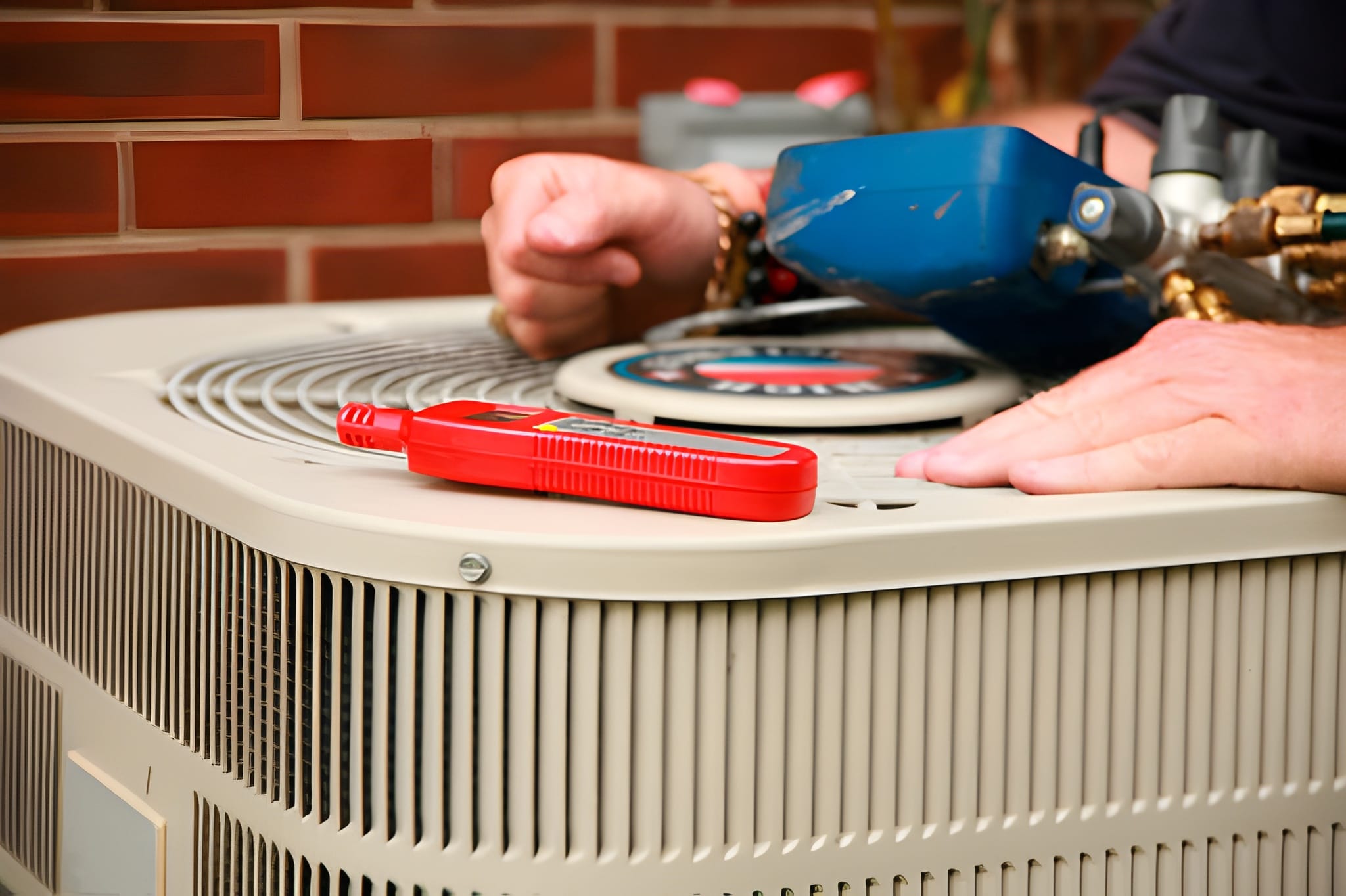
When your heating or cooling system fails at the worst possible time, you need clear expectations, fast diagnostics, and safe interim solutions. Emergency HVAC Service in Rock Island, WA provides 24/7 response for complete system failures, loss of heat or cooling, and safety hazards so your home stays safe and livable during extreme summer heat or winter cold
Why emergency HVAC service matters in Rock Island, WA
Rock Island sits in the Wenatchee Valley climate zone, with hot, dry summers and cold winters. Summer heat waves can push cooling systems beyond their limits, and winter lows expose aging furnaces and heat pumps to freeze-related failures. Many homes in the area are older or have hybrid systems, increasing the chance of sudden breakdowns. Rapid, professional emergency service reduces risk of damage, protects indoor air quality during wildfire smoke events, and prevents hazardous situations like gas leaks or carbon monoxide buildup.
Common emergency HVAC scenarios in Rock Island
- Complete system failure: Unit does not power on or respond
- No heat during freezing weather: Furnace or heat pump not producing heat
- No cooling during peak heat: Air conditioner or heat pump not cooling
- Strange odors or visible smoke: Potential electrical or combustion hazard
- Gas leaks or suspected carbon monoxide: Appliance malfunctions creating safety risk
- Loud mechanical noises indicating imminent failure: Bearings, belts, or compressor issues
- Refrigerant leaks causing loss of cooling and potential environmental concerns
- Electrical problems: Frequent breaker trips, burned wiring, or short circuits
What to expect: response times and initial steps
- Remote triage: Overnight or after-hours emergency support typically begins with a phone triage to assess safety risks and prioritize the dispatch. Expect a triage call within minutes when available.
- Local dispatch windows: For Rock Island addresses, local technicians aim to reach most homes within one to two hours depending on time of day, weather, and call volume. Rural properties may experience slightly longer travel times.
- On-site arrival: Technicians will perform a rapid safety assessment on arrival, isolate hazards, and begin a focused diagnostic to identify the root cause.
On-site diagnostic process and temporary fixes
Technicians follow a systematic approach to stabilize your system and home:
- Immediate safety checks: Verify no gas odors, test for carbon monoxide, inspect electrical panels, and confirm safe ventilation.
- Power and control verification: Confirm breakers, fuses, and thermostats are functioning and reset systems where safe.
- Quick diagnostics: Use temperature, pressure, and electrical checks to identify compressors, fans, ignition, or control board faults.
- Temporary repairs to restore basic function:
- Resetting controls and replacing fuses or relays to restore operation
- Bypassing a failed control for temporary heating or cooling when safe
- Activating emergency heat strips in heat pumps to provide warmth
- Replacing common, on-hand parts such as capacitors, contactors, limit switches, or blower belts to get systems running
- Securing refrigerant leaks temporarily and isolating a compromised component to prevent further damage
- Containment for hazardous issues: If there is a gas leak or electrical hazard, technicians will shut down the system and secure the area, then advise on next steps.
Temporary fixes are intended to protect occupants and provide short-term comfort until a thorough repair or replacement can be scheduled.
Escalation to full repairs or replacements
After stabilization, technicians will outline the recommended next steps:
- Diagnostic findings and cost estimate: A clear description of the root cause, parts required, and whether a temporary fix will hold until a scheduled repair.
- Repair timeline: Many repairs can be completed on a follow-up appointment; more complex failures may require ordering parts.
- Replacement considerations: If the system is older, repeatedly failing, or damaged beyond economical repair, technicians will explain replacement options, expected efficiency gains, and how local factors in Rock Island (seasonal demand, energy costs, and available utility incentives) affect the best choice.
- Safety-first decisions: For systems that pose ongoing safety risks, immediate replacement may be recommended rather than repair.
Safety protocols technicians follow
- Use of personal protective equipment and ventilation when dealing with combustion or smoke-related issues
- Carbon monoxide and gas detection before powering equipment
- Lockout-tagout procedures for electrical hazards
- Proper handling and containment of refrigerants consistent with environmental regulations
- Written documentation of safety checks, temporary measures performed, and required follow-up actions for transparency
What to have ready and what technicians will need
- Location and access: Clear driveway and safe access to outdoor units and equipment rooms
- System information: Model and age of equipment if available
- Symptoms and timing: When the problem started, any noises, odors, tripped breakers, or error codes
- Occupant safety needs: Vulnerable residents, pets, or medical considerations that affect service priority
Preventing future emergencies
Proactive maintenance reduces the chance of emergency calls. For Rock Island homes:
- Schedule seasonal tune-ups before peak heating and cooling seasons
- Replace air filters regularly and maintain clean vents to reduce compressor and blower strain
- Insulate exterior lines and pipes to prevent freeze damage in winter
- Install a carbon monoxide detector and hardwired smoke detectors if not already present
- Consider upgrading aging systems to higher-efficiency units that handle local temperature extremes more reliably
FAQs
Q: How quickly can an emergency HVAC technician get to a Rock Island home?
A: Response begins with immediate phone triage; local technicians aim to reach most Rock Island homes within one to two hours depending on call volume, time of day, and travel distance. Rural locations may take longer.
Q: Will emergency service always be a permanent repair?
A: Not always. Emergency service stabilizes the system and may include temporary fixes. Technicians will advise whether a full repair or replacement is needed and provide a follow-up plan.
Q: What should I do if I smell gas or suspect carbon monoxide?
A: Leave the home immediately, follow standard safety procedures for gas or carbon monoxide incidents, and contact emergency services first. After the scene is safe, an HVAC professional will assess and secure your heating appliances.
Q: Are temporary refrigerant repairs safe?
A: Temporary measures are used only to stop further damage and protect occupants. Permanent refrigerant repairs require a complete leak repair and recovery/recharge performed per environmental regulations.
Q: How can I reduce the chance of emergency failures in Rock Island?
A: Regular seasonal maintenance, timely filter changes, insulating exposed lines for winter, and replacing aging systems before failure all reduce emergency risk.