Emergency HVAC Service in Peshastin, WA

Scroll down to discover more
When your heating or cooling system fails at the worst possible moment, you need a clear plan, fast response, and technicians who know how to diagnose and stabilize the situation quickly. Emergency HVAC Service in Peshastin, WA provides 24/7 rapid response for complete heating or cooling failures, dangerous malfunctions, and urgent indoor air quality issues—taking into account the Wenatchee Valley climate, winter freeze risks, summer heat spikes, and wildfire smoke seasons that affect local homes
Why emergency HVAC matters in Peshastin
Peshastin homes face both hot, dry summers and cold winters. Orchards and outdoor irrigation in the valley can mask how vulnerable HVAC systems are to power fluctuations, hard starts, and dust. In summer, air conditioning failures can quickly make a home unsafe for vulnerable occupants. In winter, a furnace or heat pump outage can lead to frozen pipes and unsafe indoor temperatures. Wildfire smoke events also create urgent indoor air quality problems that demand immediate attention. Timely emergency service prevents property damage, health risks, and more costly repairs later.
Common emergency scenarios in Peshastin
- Complete heating failure in freezing weather — broken heat exchanger, failed ignition, or control board faults.
- Complete cooling failure during heat waves — compressor failure, refrigerant leak, or outdoor unit damage.
- Loss of airflow — motor failure, seized blower, or clogged filters causing overheating or no cooling.
- Electrical failures and breaker trips — shorted components, capacitor failure, or loose wiring.
- Refrigerant leaks — sudden loss of cooling performance and potential environmental and safety concerns.
- Carbon monoxide symptoms or gas smells — immediate combustion safety risks requiring evacuation and diagnostics.
- Indoor air quality emergencies during wildfire smoke — HVAC systems pushing smoke into living spaces or failing filtration.
Rapid dispatch procedures
- 24/7 intake with triage: callers or requestors provide location, system type (furnace, heat pump, central AC, mini-split), symptom description, and any safety concerns (gas odor, CO alarms, medical vulnerabilities).
- Priority routing for life-safety issues such as carbon monoxide, gas leaks, or elderly/infant occupants.
- Staged technician deployment: technicians nearest Peshastin or stationed in Wenatchee and surrounding towns are dispatched to minimize travel time.
- Preparation before arrival: technicians receive system details and symptom notes to bring appropriate tools and common replacement parts.
On-site quick diagnostics
Technicians use a structured, safety-first approach to identify the root cause quickly:
- Visual and electrical checks: breakers, fuses, disconnects, control board status, wiring integrity.
- Thermostat and control verification: confirming correct settings, sensor operation, and communication.
- Combustion and safety tests (for gas furnaces): ignition sequence, flame patterns, carbon monoxide checks.
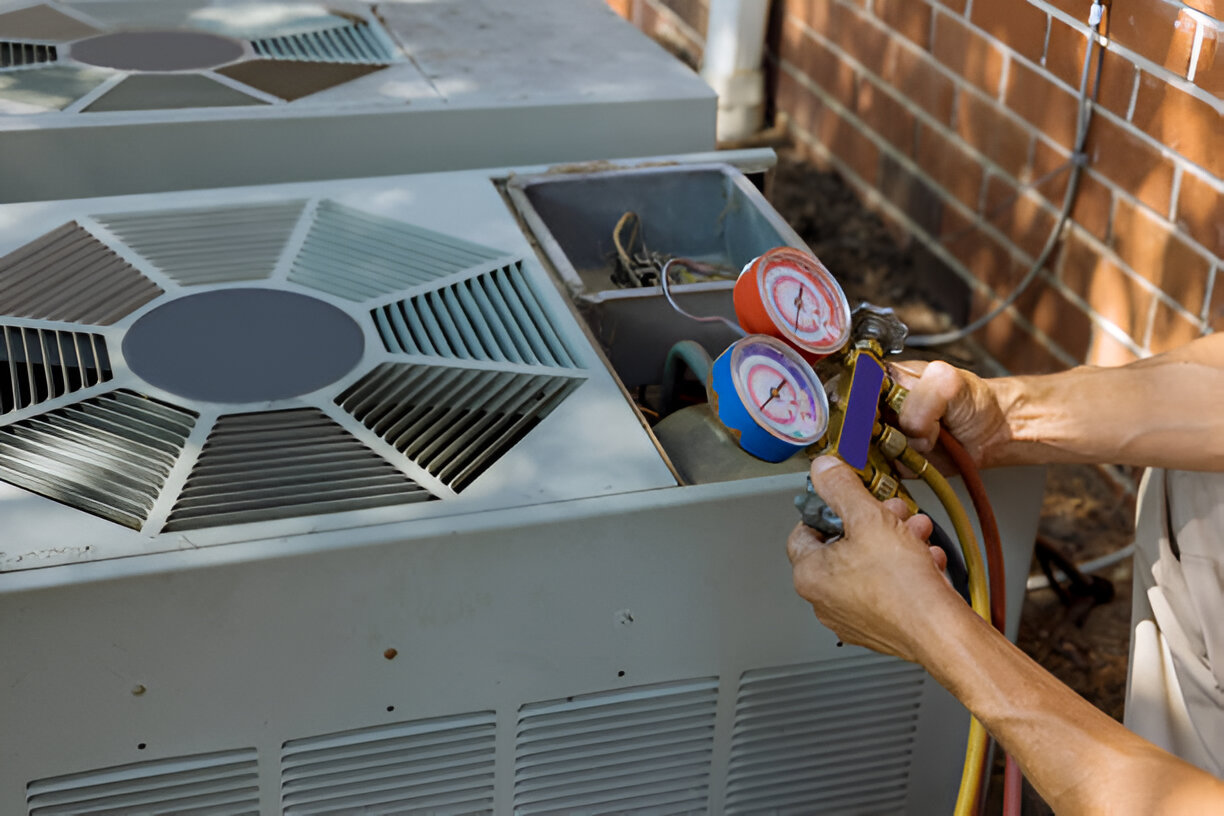
- Refrigerant and pressure checks (for AC and heat pumps): spotting leaks, checking compressor operation, and pressure differentials.
- Airflow inspection: blower motor function, filter condition, duct blockages, and return air issues.
- Temporary safety stabilization: shutting off unsafe components, isolating gas or electrical hazards, and restoring minimal safe operation when possible.
Temporary versus permanent repair options
- Temporary measures minimize downtime and exposure while keeping your home safe until a permanent fix is scheduled:
- Bypass or temporary replacement of failed control components to restore heating or cooling immediately.
- Temporary brazing or clamp repairs for minor refrigerant leaks to get cooling online during extreme heat.
- Portable heating or cooling recommendations and guidance for safe usage if on-site restoration isn’t immediately possible.
- System shutdown with safety corrections when combustion or electrical hazards are present.
- Bypass or temporary replacement of failed control components to restore heating or cooling immediately.
- Permanent repairs restore full, reliable operation:
- Component replacement such as compressors, heat exchangers, motors, or control boards.
- System retrofits including modern controls, upgraded safety devices, and improved filtration for smoke events.
- Full system replacement when repairs are no longer cost-effective or safe.
Safety protocols we follow
- Prioritize life-safety hazards: gas smells, CO detection, and electrical hazards are handled first.
- Certified diagnostics: combustion analysis and CO testing are standard when fuel-burning equipment is involved.
- Electrical safety: technicians lock out and tag dangerous circuits and verify safe disconnects before working.
- Containment and filtration during wildfire events: HEPA-grade filters and air scrubbing guidance to limit indoor smoke exposure.
- Documentation and transparency: clear explanation of findings and safety steps taken on-site.
Response time expectations for Peshastin, WA
Response times vary with season and demand but are geared toward rapid resolution:
- Typical arrival within about 60 minutes for Peshastin and nearby Wenatchee Valley neighborhoods during normal conditions.
- During peak heat or cold events, or in remote locations, expect priority staging that may extend arrival to a few hours; temporary stabilization is provided whenever immediate permanent repair is not possible.
- Technicians carry common parts and diagnostic tools to resolve many emergencies on the first visit; when special parts are required, a clear timeline for permanent repair is provided.
How to request urgent service (what you’ll be asked and how the process works)
- Be prepared to give your address and a brief description of the emergency: system type, symptoms, any unusual smells, and whether anyone in the home is at-risk.
- Share system details if known: make, model, approximate age, and any recent work or maintenance.
- Provide safe access information: gate codes, key locations, or instructions for locked properties.
- Emergency intake teams will triage the call, prioritize based on risk, dispatch a technician, and inform you of estimated arrival windows and on-site procedures.
Benefits of acting quickly and maintenance tips
Fast emergency response reduces risk to people and property, lowers the chance of extensive component damage, and can be less costly than delayed repairs. To reduce emergency risk in Peshastin:
- Schedule seasonal tune-ups before winter and summer extremes.
- Replace filters regularly, especially during wildfire season.
- Install and maintain carbon monoxide detectors and smoke alarms.
- Consider upgrading to modern heat pump systems that handle both heating and cooling more reliably and may qualify for local incentives.
- Have a documented access and system summary handy to speed emergency diagnosis.
FAQs
Q: How quickly can a technician arrive in Peshastin for an emergency?
A: Typical arrival is around 60 minutes within Peshastin under normal conditions; during widespread storms or peak seasonal demand, arrival windows may be longer but technicians will prioritize life-safety issues and provide temporary stabilization when needed.
Q: What should I do if I smell gas or suspect carbon monoxide?
A: Evacuate the home immediately, move to fresh air, and follow local emergency protocols. Once safe, contact emergency HVAC intake for a priority dispatch and inform them of the safety concern so a qualified technician can perform combustion and leak testing.
Q: Will you perform temporary fixes until parts arrive?
A: Yes. Technicians routinely provide temporary, safe stabilizations—such as bypassing faulty controls or isolating leaks—so occupants are protected until a permanent repair can be scheduled and completed.
Q: Can emergency service handle mini-splits and heat pumps as well as furnaces and central AC?
A: Emergency technicians are trained to diagnose and repair all common residential systems, including mini-splits, heat pumps, central air, and furnaces, using targeted diagnostics and the appropriate safety testing.
Q: How can I reduce the chance of needing emergency HVAC service in the future?
A: Regular preseason maintenance, timely filter changes, keeping outdoor units clear of debris, and addressing small issues promptly reduce emergency risk. Upgrading aging equipment or improving filtration for smoke events also improves reliability and safety.