Emergency HVAC Service in Monitor, WA

Scroll down to discover more
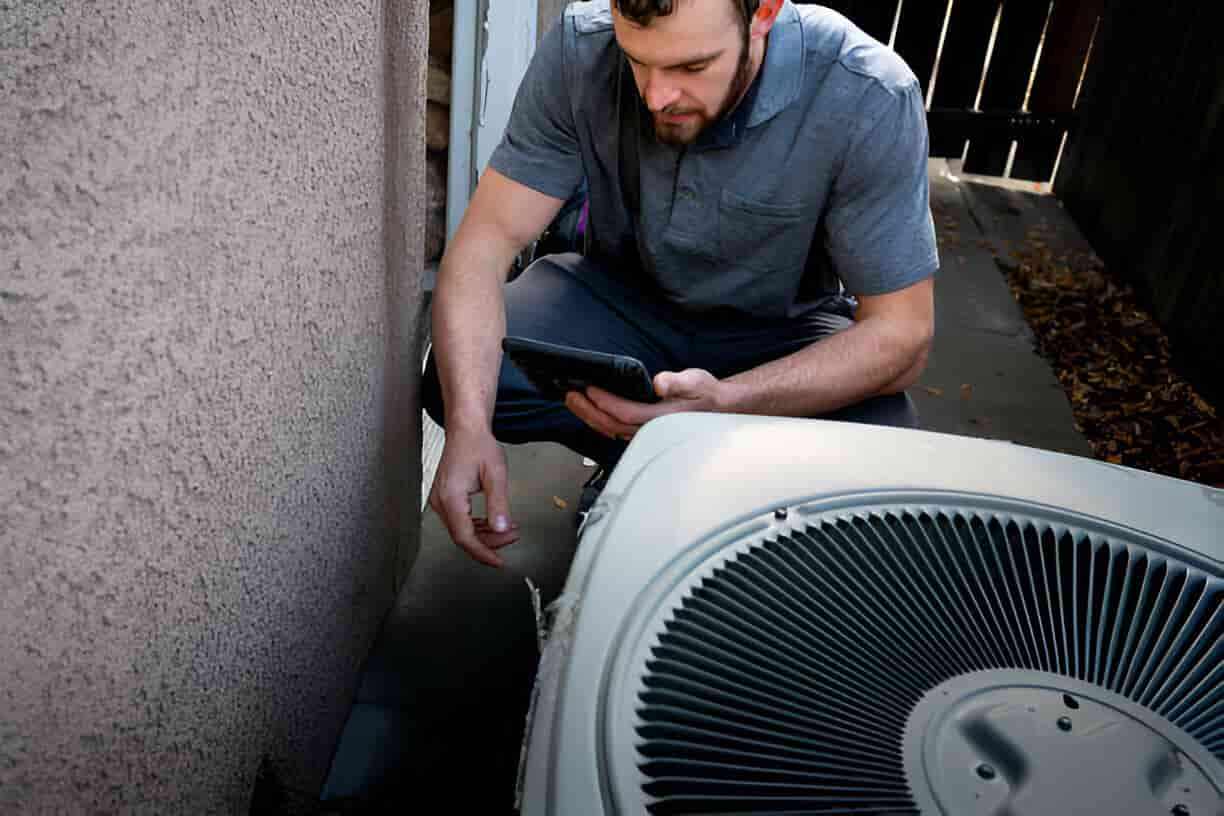
When your heating or cooling system fails outside normal business hours, every minute matters. Emergency HVAC service in Monitor, WA provides 24/7 response to protect your home, family, and property from extreme temperatures, water damage, and safety hazards. In a region that swings from hot, dry summers to chilly winters and occasional cold snaps, rapid, reliable emergency response reduces downtime and prevents small issues from becoming costly failures
Common emergency HVAC scenarios in Monitor, WA
Residents in Monitor frequently face these urgent situations:
- Complete system failure — No blower, no compressor, or no heat at all.
- No cooling during summer heat — Outdoor temperatures and orchard work can make loss of AC dangerous for vulnerable occupants.
- No heating during winter or cold snaps — Frozen pipes and health risks increase when homes lose heat overnight.
- Gas smells or suspected gas leaks around furnaces or boilers.
- Carbon monoxide alarm activation or suspicion of exhaust/venting issues.
- Electrical burning smell, sparks, or tripped breakers associated with HVAC equipment.
- Refrigerant leaks that cause a rapid loss of cooling capacity or ice buildup on coils.
- Flooding or condensate overflow causing water damage inside homes.
- Thermostat or control failures that leave systems unresponsive.
24/7 emergency HVAC response: what to expect
Emergency HVAC service in Monitor, WA is designed for immediate triage and fast on-site stabilization:
- Around-the-clock dispatch — Technicians are available 24 hours a day to diagnose urgent failures and respond quickly.
- Remote troubleshooting — When possible, a technician will guide you through safe checks over the phone to gather information before arrival.
- Prioritized routing — Emergencies are triaged by severity; threats to life or property receive fastest response.
- On-truck inventory — Emergency vans are stocked with common parts and tools to perform many repairs on the first visit.
Rapid diagnostic and triage procedures
Technicians follow a consistent, safety-first process for every emergency call:
- Initial safety assessment — Verify whether occupants are safe, check for gas odors, carbon monoxide alarms, electrical hazards, or active leaks.
- Remote data collection — Ask about symptoms: noises, lights on the thermostat, tripped breakers, odor, and timeline.
- Prioritization — Determine if immediate evacuation or utility shutdown is required.
- On-site diagnostic steps:
- Visual inspection of outdoor unit, furnace, heat pump, and indoor air handler
- Check electrical connections, breakers, fuses, and control voltage
- Test safety devices and carbon monoxide levels when necessary
- Evaluate refrigerant pressures or pilot/ignition systems
- Diagnosis and options — Technician explains findings and recommends either temporary stabilization or a full repair, including estimated timeline for each.
Temporary stabilization versus full repair
In emergencies the first goal is to make the system safe and restore at least partial function quickly. Typical stabilization measures include:
- Restarting the system and isolating the faulty circuit to prevent further damage
- Bypassing a failed nonessential control temporarily (when safe and code-compliant)
- Replacing a fuse, resetting breakers, or installing a temporary filter or condensate pump
- Blocking a refrigerant leak and running the system on reduced capacity until parts arrive
Full repairs are scheduled when stabilization is not sufficient or when long-term safety and efficiency require replacement of parts or components. Examples of full repairs:
- Compressor or motor replacement
- Evaporator or condenser coil repair or replacement
- Gas valve, heat exchanger, or major control board replacement
- Refrigerant recovery and proper recharge with matching specifications
Technicians will clearly explain why stabilization is recommended versus a comprehensive repair and provide realistic timelines for parts and completion.
Expected arrival times and on-site process in Monitor
- Typical arrival windows vary by time of day, road and weather conditions, and call volume. Within Monitor and nearby Wenatchee Valley communities, emergency response often falls between 30 and 90 minutes for critical situations; less urgent after-hours calls may take longer.
- Winter storms, high demand during heat waves, or remote properties may extend response times.
- On arrival, technicians perform the safety assessment, diagnostic checks, and then present repair options and next steps. They carry common replacement parts to increase the chance of same-day fixes.
Safety protocols and homeowner guidance for urgent situations
If you suspect a dangerous HVAC issue, prioritize safety:
- If you smell gas or suspect a leak: evacuate all occupants immediately, avoid using electrical switches, and ventilate if safe to do so.
- If a carbon monoxide alarm sounds or anyone feels dizzy or nauseous: evacuate immediately and seek fresh air and medical attention.
- If you see smoke or fire from an HVAC component: get everyone out and call emergency services.
- For water leaks: turn off electricity to the affected zone at the breaker if it is safe, and reduce water flow to limit damage.
- Do not attempt high-voltage repairs or open gas valves yourself. Follow any safe, simple instructions a technician provides over the phone.
Why timely emergency HVAC service matters in Monitor, WA
Monitor’s climate — hot summers used for orchard operations and cold winters in the Wenatchee Valley — makes both loss of cooling and loss of heat urgent. Rapid emergency service:
- Protects occupants from temperature extremes and health risks
- Prevents secondary damage like burst pipes, mold, or electrical fires
- Preserves expensive equipment by avoiding catastrophic component failure
- Restores comfort and safety quickly, minimizing disruption to families and businesses
Maintenance to reduce emergencies
Regular seasonal maintenance is the best way to avoid emergency breakdowns:
- Annual furnace and heat pump tune-ups before heating season
- Spring AC inspections and refrigerant checks
- Routine filter replacements and condensate drain cleaning
- Prompt repair of small issues like odd noises, reduced airflow, or intermittent cycling
FAQs
Q: What qualifies as an HVAC emergency?
A: Situations that threaten safety, property, or immediate health — loss of heat in freezing weather, loss of cooling in extreme heat for vulnerable occupants, gas odors, carbon monoxide alarms, electrical burning smells, or active leaks — are considered emergencies.
Q: How quickly can a technician arrive in Monitor, WA?
A: Typical critical-response windows in the Monitor area range from about 30 to 90 minutes depending on time of day, weather, and call volume. Remote locations or severe weather can extend that window.
Q: Will an emergency visit always fix the problem permanently?
A: Not always. The priority is safety and restoring basic function. Technicians will perform temporary stabilization if needed and then outline options for complete repairs or replacements.
Q: What should I do if I smell gas or carbon monoxide?
A: Evacuate everyone immediately, move to fresh air, avoid operating switches or appliances, and follow emergency guidance from local safety authorities.
Q: Can routine maintenance reduce emergency calls?
A: Yes. Regular professional inspections and tune-ups catch wear and small faults before they become urgent, improving reliability and extending system life.