
Emergency HVAC Service in Leavenworth, WA

Scroll down to discover more
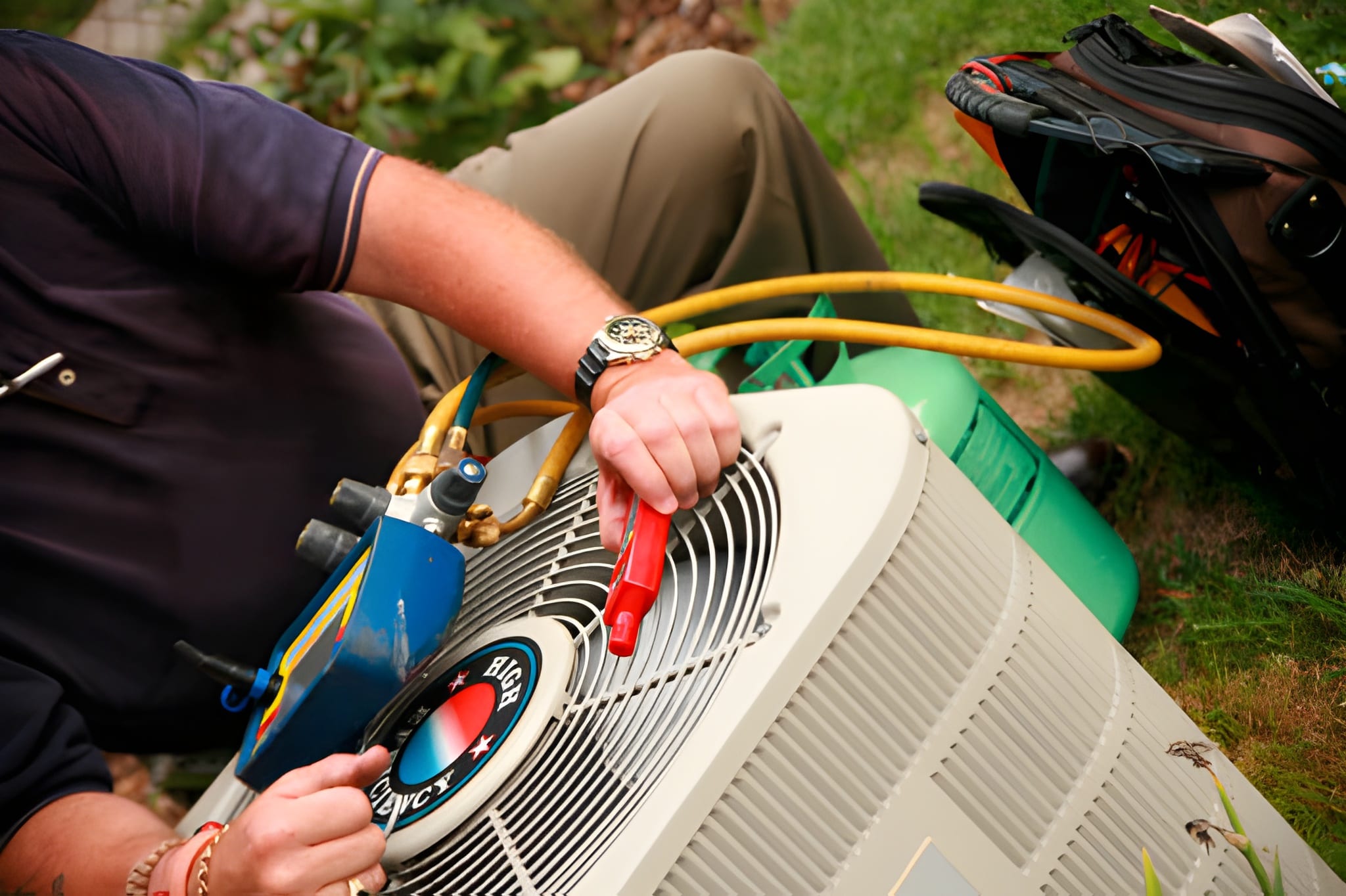
When your heating or cooling system fails in the middle of a Leavenworth winter storm or during a heat wave, waiting is not an option. Emergency HVAC Service in Leavenworth, WA provides 24/7 response for urgent furnace, heat pump, and air conditioner failures so your home stays safe and comfortable
Why 24/7 HVAC support matters in Leavenworth
Leavenworth’s mountain-influenced climate brings freezing nights, heavy snow, and occasional hot, dry summers with wildfire smoke. Furnaces and heat pumps are critical in winter to prevent frozen pipes and maintain indoor safety. In summer, air conditioning and ventilation protect vulnerable residents from heat stress. Remote or tourist-heavy areas can also mean fluctuating technician availability, so reliable emergency service tailored to Leavenworth’s conditions can prevent property damage and health risks.
Common urgent scenarios in Leavenworth
- Complete system failure during subfreezing temperatures (no heat at all)
- Furnace ignition problems or intermittent heating
- Air conditioner or heat pump sudden shutdown during heat waves
- Refrigerant leaks causing loss of cooling
- Electrical faults leading to tripped breakers or burning odors
- Carbon monoxide (CO) alarms linked to heating equipment
- Thermostat failure leaving a home unregulated
- Severe indoor air quality events from wildfire smoke or excessive soot
Rapid-response process: what to expect
- Initial triage: A dispatcher collects details about the problem, system type, home location in Leavenworth, and any safety concerns (smoke, gas smell, CO alarm).
- Estimated arrival: Response times vary with road and weather conditions; rapid-response crews aim to reach most Leavenworth area homes quickly. Technicians will call ahead to confirm arrival window and any access instructions.
- On-site assessment: A licensed technician inspects equipment, checks power and fuel, scans for CO and refrigerant leaks, and reviews thermostat settings and ductwork access.
- Diagnosis and options: You receive a clear, plain-language explanation of the issue and a recommended path forward: safe temporary measures to restore function, or a permanent repair or replacement plan.
- Repair or stabilization: If safe and possible, technicians implement temporary fixes (get heat or cooling back online) and secure the system until full repair parts or conditions allow permanent restoration.
On-site diagnostics: straightforward and thorough
- Visual inspection of furnace, heat pump, outdoor unit, vents, and filters
- Electrical checks: breakers, fuses, contactors, and wiring for shorts or arcing
- Combustion and ventilation checks for gas furnaces, including carbon monoxide testing
- Refrigerant pressure and leak detection for AC and heat pumps
- Thermostat and control system verification
- Basic airflow and duct check to identify obstructions or frozen coils
Technicians will explain findings in everyday language and prioritize actions that address safety first, comfort second, then efficiency.
Temporary fixes vs permanent repairs
- Temporary fixes (stabilization)
- Resetting control boards or breakers to restore power safely
- Replacing a failed capacitor or fuse on the spot if available
- Bypassing a minor electrical issue to allow safe operation until replacement parts arrive
- Securing burners or vents to eliminate immediate CO risk while arranging a full repair
- Providing portable heating or cooling advice if permanent fix must wait
- Permanent repairs
- Replacing failed motors, compressors, heat exchangers, or major control boards
- Repairing refrigerant leaks and recharging systems under proper environmental protocols
- Replacing unsafe or end-of-life equipment when repair is not reliable
- Upgrading ventilation or filtration to address long-term IAQ problems like wildfire smoke
In Leavenworth, technicians often balance immediate needs (prevent frozen pipes or heat loss) with the reality that weather or parts delivery can delay full repairs. A professional will document interim work and explain next steps.
Safety protocols technicians follow
- CO and gas leak detection before entering mechanical rooms
- Turning off gas or electricity to unsafe equipment
- Using personal protective equipment when dealing with refrigerants, electrical components, or contaminated air
- Proper disposal and handling of faulty parts and refrigerants according to regulations
- Clear communication about evacuation when life-safety threats (strong gas smell, CO alarm) are present
If you detect a gas smell, strong burning odor, or CO alarm, evacuate the building and contact emergency services immediately. Technicians prioritize life-safety hazards above all else.
Practical guidance for customers waiting for a technician
- Prepare access: Clear a pathway to the unit, unlock gates or mechanical rooms, and ensure pets are secured.
- Gather information: Have system make, model, and age available if known; note any unusual noises, smells, or when the problem started.
- Thermostat and breaker check: Make sure the thermostat has power and the breaker has not tripped before the visit; document error codes if displayed.
- Stay safe: If you smell gas, hear continuous CO alarm, or see smoke, leave the home immediately and call emergency responders.
- Manage comfort: Use layered clothing, blankets, or portable safe space heaters away from flammable materials in cold weather; in heat, stay hydrated, use shades and fans to reduce heat buildup.
- Ventilation during wildfire smoke: Keep windows closed and run any available air cleaner on high if your system is inoperative, or create a sealed room with an air purifier if possible.
Benefits of prompt emergency action and maintenance advice
Timely emergency HVAC service prevents secondary damage such as frozen pipes, mold from condensation, or spoiled belongings from prolonged heat. Quick diagnostics often uncover underlying issues—worn parts, blocked vents, or ignoring routine maintenance—that can be fixed proactively to avoid repeat emergencies.
For Leavenworth homes, seasonal preparation pays off:
- Autumn furnace checks to prevent winter failures and CO risks
- Spring AC and heat pump service to avoid summer breakdowns
- Regular filter changes and improved filtration for wildfire season
- Inspections after snow or storms to ensure outdoor units are clear and secure
FAQs
Q: How fast can an emergency HVAC technician arrive in Leavenworth?
A: Response times depend on road and weather conditions but emergency crews aim to reach most Leavenworth area homes quickly; technicians typically provide an arrival window and call ahead.
Q: Can you fix all brands and system types?
A: Technicians are trained to diagnose and perform temporary or permanent repairs on furnaces, heat pumps, central AC, and ductless systems from most manufacturers; some major component replacements may require ordering specific parts.
Q: What should I do if I suspect carbon monoxide or a gas leak?
A: Evacuate the home immediately and contact emergency services; do not re-enter until the area is confirmed safe by professionals.
Q: Will an emergency visit always result in a permanent repair?
A: Not always. Technicians prioritize safety and restoring basic function. If parts are not available or weather impedes work, they will provide a secure temporary solution and schedule follow-up for permanent repair.