
Emergency HVAC Service in George, WA

Scroll down to discover more
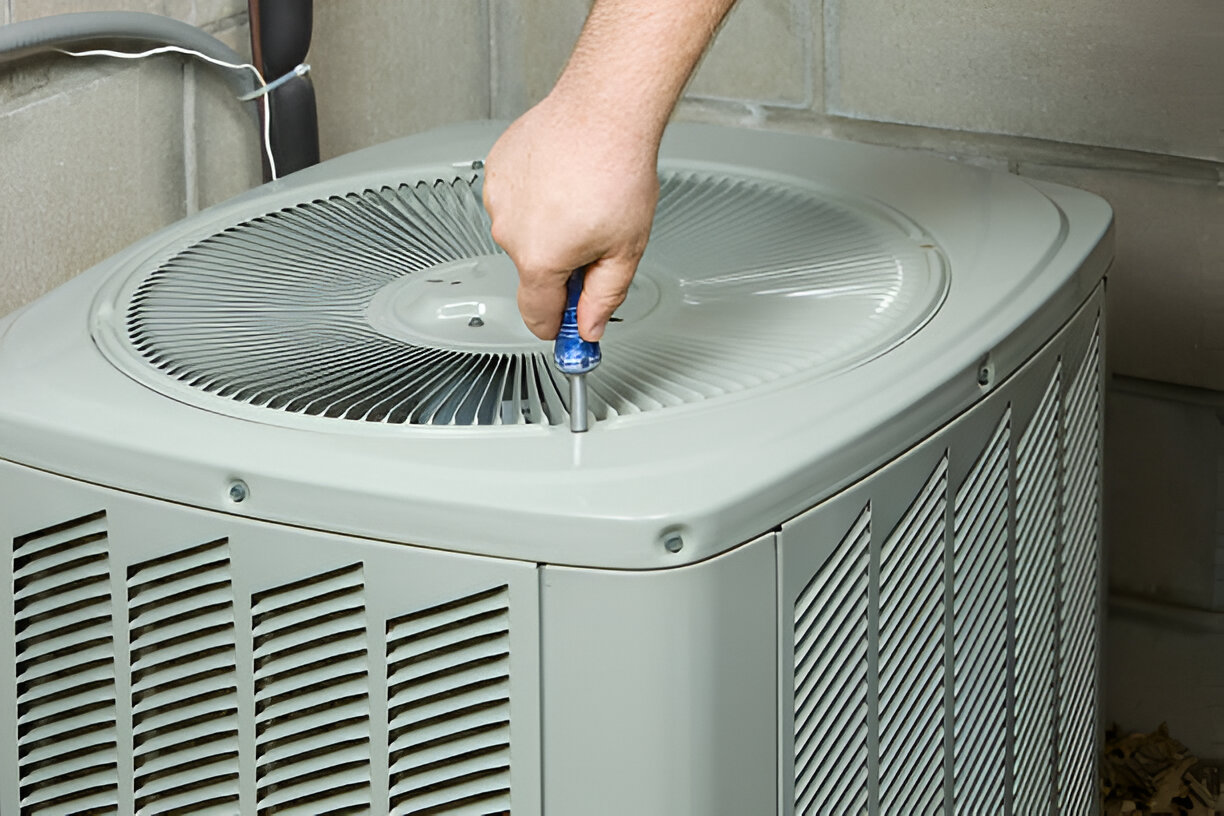
When your heating or cooling system fails at the worst possible moment, rapid, reliable help matters. Emergency HVAC service in George, WA addresses complete system failures, sudden loss of heating or cooling, dangerous gas or electrical issues, and other urgent problems that can affect comfort, safety, and property. Homes in George face wide temperature swings, hot summer afternoons along the Columbia River, and occasional smoky air from regional wildfires — all situations where fast HVAC response prevents health risks and costly damage
24/7 emergency response capabilities
- Around-the-clock dispatch: Trained technicians are available 24 hours a day to triage and respond to urgent HVAC calls.
- On-call, fully stocked trucks: Emergency vehicles carry common replacement parts and diagnostic tools to allow repairs on the first visit whenever possible.
- Remote triage and guidance: After-hours dispatch provides phone guidance to reduce immediate risk while a technician is en route.
- Skilled technicians: Emergency crews have experience with furnaces, heat pumps, central air systems, mini-splits, and older equipment commonly found in rural Washington homes.
Common emergency scenarios in George, WA
- Complete system failure during heat waves, leaving residents without air conditioning when temperatures spike.
- No heat on cold nights, which risks frozen pipes and health issues for infants, seniors, or people with medical needs.
- Strong electrical smells, burning odors, or visible smoke indicating an electrical fault.
- Natural gas smell or suspected carbon monoxide exposure from furnaces or gas appliances.
- Sudden refrigerant leaks or compressor failures in older AC units.
- Thermostat or control board failures that prevent any operation of the system.
- Blocked condensate drains causing water backups and potential ceiling or floor damage.
- Reduced indoor air quality from wildfire smoke, making ventilation and filtration urgent.
- Power surges after storms that trip breakers or damage control electronics.
Rapid diagnostic and repair process
- Initial triage: Dispatch collects location, system type, symptoms, and any safety concerns so technicians can prepare before arrival.
- Remote safety instructions: If a gas smell, carbon monoxide alarm, or electrical hazard is reported, operators guide occupants on immediate steps to reduce risk.
- On-site safety assessment: Technician confirms safe entry, checks for gas or CO, and isolates power or fuel if necessary.
- System-level diagnostics: Technicians run structured checks — power supply, control board, airflow, refrigerant pressure, ignition systems, and venting.
- Targeted repairs or temporary fixes: Where possible, crews perform on-the-spot repairs (part swaps, clearing drains, resetting controls) to restore operation immediately.
- Parts and replacement planning: If a major component is required, technicians explain options, timeframe for parts, and interim measures to keep occupants safe and comfortable.
- Test and verify: After repair, systems are tested across modes and loads to confirm safe, reliable operation.
- Documentation and recommendations: Technicians leave clear notes on what was done, any follow-up needs, and preventive steps to avoid repeat emergencies.
Response-time expectations for George, WA
Response time depends on time of day, road conditions, call volume, and distance from the service hub. Typical expectations:
- Within the town limits of George: 30 to 90 minutes under normal conditions.
- Nearby rural properties: 1 to 3 hours depending on distance and access.
- Peak events (heat waves, storms, widespread outages): extended waits possible due to high demand. Technicians prioritize calls based on safety risk, such as lack of heat for vulnerable occupants or gas leaks.
Factors that can speed response: precise location details, system make/model, clear access instructions, and any on-site safety information.
Safety protocols during HVAC emergencies
- Carbon monoxide first: If a CO alarm sounds or you suspect CO, evacuate the home immediately and follow emergency services guidance.
- Gas leak precautions: If you smell gas, do not use electrical switches or phones indoors; ventilate and leave the property before reporting the emergency.
- Power isolation: Technicians will shut off breakers or gas supply when necessary to prevent further hazard.
- Personal protective equipment: Technicians use PPE and follow safe handling for refrigerants, fuels, and wiring.
- Containment and cleanup: Water leaks and refrigerant releases are contained to avoid property damage and environmental harm.
- Code and permit compliance: All repairs affecting safety systems are performed to local code and documented as required.
How to request urgent service
When requesting emergency HVAC help, be prepared to provide:
- Exact address and best entry instructions for rural properties.
- System type (furnace, heat pump, central air, mini-split) and approximate age.
- Clear description of the problem and any unusual noises, smells, or visible damage.
- Information about vulnerable occupants, pets, or hazards.
- Emergency requests are handled through the after-hours dispatch system and documented for priority routing. Providing complete information accelerates triage and gets a technician to your home faster.
Repairs, replacements, and when to replace
- Repair is often the fastest way to restore comfort, especially for newer systems or when the fault is a single replaceable part.
- Replacement becomes the more practical option when systems are older (typically 10 to 15+ years), multiple major components fail, or efficiency and reliability would be substantially improved.
- In George, WA, replacing a failing air conditioner before summer heat or upgrading a furnace before cold snaps can prevent emergency calls and lower seasonal energy costs.
Short-term protection and maintenance tips
- Check circuit breakers and thermostats before assuming a full breakdown.
- Replace dirty filters to improve airflow and reduce strain on systems.
- Keep outdoor condenser units clear of debris, snow, and vegetation.
- If smell of gas or CO is present, evacuate and ventilate; do not operate furnaces or heaters.
- Install and maintain CO detectors and smoke alarms, and use high-efficiency filters during wildfire season.
- Schedule seasonal tune-ups to reduce emergency risk from wear, leaks, and poor combustion.
Why timely emergency HVAC service matters in George, WA
Fast, competent emergency HVAC service protects health, prevents property damage, and restores comfort quickly. In George, where summers can be hot and air quality can be affected by regional fires, prompt repairs and safety-first protocols minimize exposure risks and costly secondary damage. Emergency technicians not only fix immediate issues but also provide guidance to prevent future emergencies and maintain system longevity.
FAQs
Q: What counts as an HVAC emergency?
A: Loss of all heating or cooling during extreme temperatures, gas smells, CO alarm activation, electrical burning smells, large water leaks, or situations putting occupants at immediate risk.
Q: How quickly can an emergency technician arrive in George?
A: Typical arrival within 30 to 90 minutes inside town limits; rural locations may be 1 to 3 hours depending on distance, road conditions, and call volume.
Q: Can some emergency problems be fixed on the first visit?
A: Yes. Fully stocked emergency trucks can often complete common repairs on the spot, but major component failures may require ordering parts or temporary measures until permanent replacement is available.
Q: What should I tell dispatch to speed response?
A: Provide exact address, system type and age, a clear symptom description, access instructions, and whether anyone in the home is medically vulnerable.
Q: Are carbon monoxide and gas issues handled differently?
A: Yes. Gas and CO concerns are prioritized for immediate safety actions including evacuation guidance, shutting off fuel or power, and coordinating with local emergency services when necessary.