Emergency HVAC Service in Dryden, WA

Scroll down to discover more
When an HVAC system fails unexpectedly, the consequences range from discomfort to real health and safety risks. In Dryden, WA, where summer heat and wildfire smoke can stress air conditioning and warm winters can make heating a necessity, reliable 24/7 emergency HVAC response is essential. This page explains what constitutes an HVAC emergency in Dryden homes, what to expect when you request urgent help, how technicians stabilize systems quickly, the priority repair workflow, safety protocols followed on site, and practical steps homeowners can take right away
Common emergency HVAC scenarios in Dryden, WA
- Complete system failure (no cooling or heating): Sudden loss of heating in winter or cooling in summer. In Dryden, heat waves and cold snaps make these failures urgent for households with infants, elderly, or medically vulnerable occupants.
- No heat during freezing weather: Frozen pipes and hypothermia risk make furnace or heat pump outages critical during subfreezing nights.
- No cooling during extreme heat: High daytime temperatures and limited nighttime relief can cause heat-related illness; AC outages during heat waves are serious.
- Gas smell or suspected gas leak: Any odor of gas near a furnace or gas lines is an immediate safety emergency.
- Carbon monoxide (CO) alarm activation or suspicion: CO is odorless and deadly. HVAC systems tied to combustion appliances must be shut down until inspected.
- Electrical failure or tripped breakers tied to HVAC: Repeated electrical trips can indicate a dangerous short or failing component.
- Compressor failure or refrigerant leak: Outdoors units damaged by storm debris, animals, or age can leak refrigerant and stop cooling entirely.
- Smoke or fire in or around HVAC equipment: Wildfire smoke is common in late summer in Chelan County — smoke ingestion and system damage require immediate attention.
- Flooding or water damage to mechanical room or outdoor unit: Heavy rain, burst pipes, or melting snow can short equipment and create hazards.
What to expect: response times and triage
- Initial triage: When you report an emergency, expect immediate triage over the phone. You will be asked about symptoms, number of occupants, age or medical vulnerabilities, presence of gas smell or CO alarms, and whether power is out.
- Typical response windows: For critical life-safety issues (gas leak, CO alarm, smoke, furnace failure in freezing conditions), local technicians aim to respond as quickly as possible—commonly within 60 to 90 minutes for homes in and near Dryden. For urgent but non-life-threatening failures (AC failure on a hot day), expected arrival is often within 2 to 4 hours depending on crew availability and travel distance.
- Rural considerations: Dryden’s rural locations and seasonal road conditions may extend response times. Remote properties can experience longer ETAs while still receiving priority scheduling.
Rapid diagnostic and temporary stabilization procedures
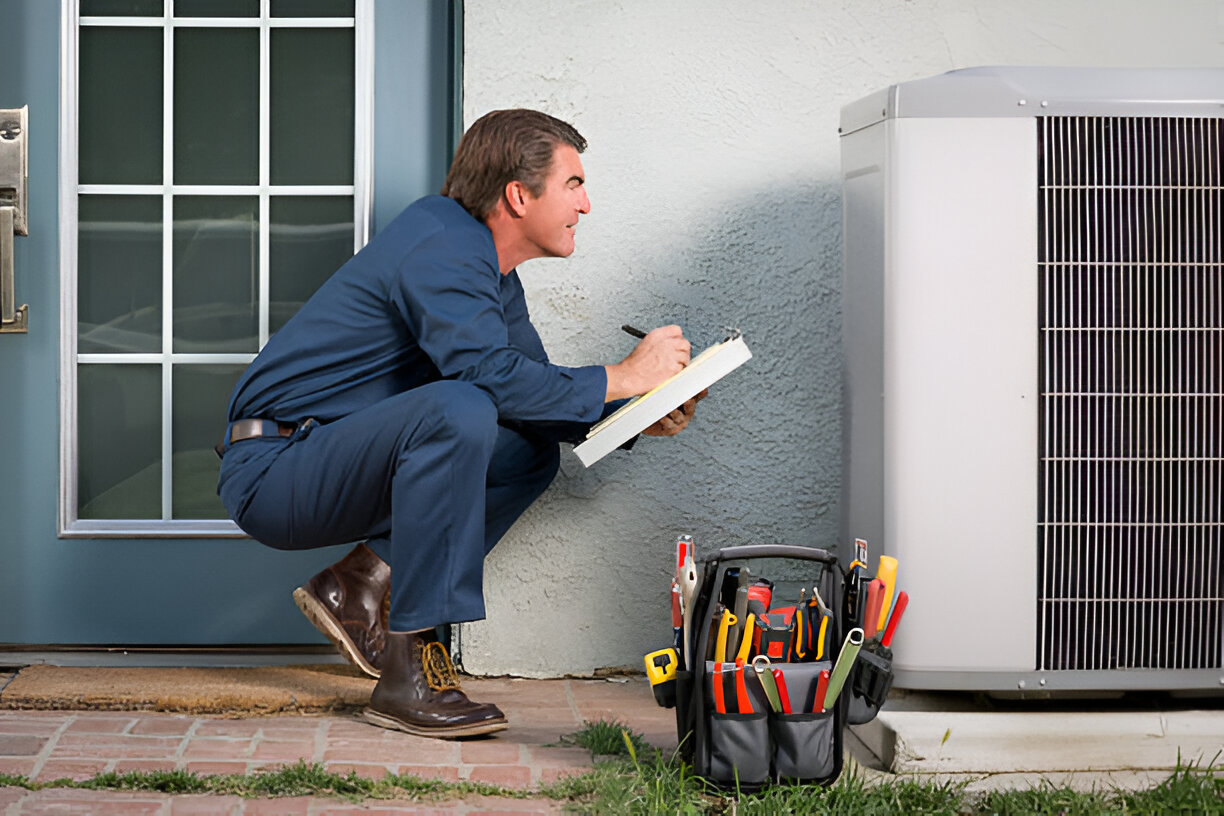
- On-site safety check: Technician confirms hazards first—gas odors, CO presence, electrical issues, or fire risk—then isolates the system as needed.
- Fast diagnostic sweep: Technicians run a focused inspection: thermostat and control checks, electrical panel and breaker verification, visible gas connections and pilot assemblies, outdoor unit status, refrigerant pressures, and airflow assessment.
- Temporary stabilization options:
- Resetting and isolating faulty circuits or components to prevent further damage.
- Temporary heat solutions such as electric resistance backup or safe space heaters when furnace is inoperable (applied per safety protocols).
- Short-term cooling measures like portable evaporative coolers where appropriate, or temporary blower operation to circulate cooler indoor air.
- Refrigerant top-off or temporary bypass if a minor leak is identified and legal/technical conditions allow.
- Safe re-lighting of pilot lights or resetting control boards when confirmed safe.
- Clear communication: Technicians explain immediate measures taken, which actions are temporary, and what permanent repairs are required.
Priority repair workflow
- Triage and parts staging: Emergency calls are triaged and prioritized. Technicians carry commonly needed parts; if specialty parts are required, techs stage parts and schedule the earliest follow-up.
- Scope and estimate: After stabilization, a prioritized repair plan is provided that separates immediate safety or functionality fixes from longer-term replacement recommendations.
- Fast-track procurement: For critical components (compressors, control boards, gas valves), priority ordering and expedited shipping procedures are used to minimize downtime.
- Follow-up verification: Permanent repairs are followed by system performance testing and documentation of work completed, including safety checks and manufacturer-recommended settings.
Safety protocols followed on every emergency call
- Gas and CO safety first: If gas odor or CO alarm presence is reported, the system is shut down, the area ventilated, and utility notifications made as needed.
- Electrical precautions: Power to HVAC equipment is disconnected before any internal work; technicians use lockout/tagout procedures for major repairs.
- Refrigerant handling: Refrigerant recovery and leak repairs adhere to environmental and safety regulations.
- Site protection and hygiene: Technicians protect floors and belongings, use personal protective equipment when appropriate, and follow clean work practices.
- Documentation and reporting: Safety checks, alarms, and unusual findings are reported and documented for homeowner records.
How to request urgent service and what to prepare
- Have these details ready before calling: property address, HVAC type (furnace, heat pump, central AC, mini-split), system age if known, symptoms (no heat, tripped breaker, gas smell, CO alarm), number of occupants and any medical vulnerabilities, and whether power is out.
- Immediate homeowner actions:
- If you smell gas: leave the property, avoid switches or open flames, and notify the gas utility.
- If a CO alarm sounds: evacuate and get fresh air immediately.
- If equipment is smoking or sparking: shut off power to the unit at the breaker if safe to do so.
- For no heat or cooling but no smell or alarm: check thermostat settings, replace a clogged filter if accessible, and verify breaker position.
- What to expect after the request: a phone triage call, ETA and basic safety guidance, on-site diagnostics, temporary stabilization if needed, and a prioritized repair plan.
Why timely emergency HVAC response matters in Dryden
Prompt action prevents health hazards, protects your home from secondary damage (frozen pipes, mold, smoke infiltration), preserves expensive equipment from cascading failures, and reduces long-term repair costs. In Dryden’s climate—hot, dry summers and cold winters—quick restoration of HVAC function is key to comfort and safety.
Preventive tips for Dryden homes
- Schedule seasonal inspections before summer and winter to reduce emergency risk.
- Install and maintain carbon monoxide detectors and smoke alarms.
- Keep outdoor units clear of debris, snow, and vegetation; wildfire season calls for added vigilance against soot and ash build-up.
- Consider backup power for furnace controls if power outages are common where you live.
FAQs
Q: What counts as an HVAC emergency in Dryden, WA?
A: An emergency includes loss of heating in freezing conditions, loss of cooling in extreme heat, gas smell, CO alarm activation, fire or smoke in equipment, major electrical faults, refrigerant leaks, and flooding of HVAC components.
Q: How fast can a technician get to a Dryden home?
A: For life-safety issues, local technicians typically aim to respond within about 60 to 90 minutes; for urgent but non-life-threatening situations, arrival is often within 2 to 4 hours, with times varying by location and conditions.
Q: Can technicians provide temporary fixes during an emergency visit?
A: Yes. Technicians focus on safety and temporary stabilization—safe electrical isolation, temporary heating or cooling measures, or short-term refrigerant or component fixes—followed by a plan for permanent repair.
Q: What should I do if I smell gas or a CO alarm goes off?
A: Evacuate immediately, avoid using electrical switches or open flames, ventilate if safe, and notify emergency services or the gas utility. Do not attempt to repair gas appliances yourself.
Q: How can I reduce the chance of HVAC emergencies in Dryden?
A: Regular seasonal maintenance, filter changes, keeping outdoor units clear, installing CO and smoke detectors, and pre-season system checks greatly reduce emergency risk.