
Furnace Tune-Up in Peshastin, WA

Scroll down to discover more
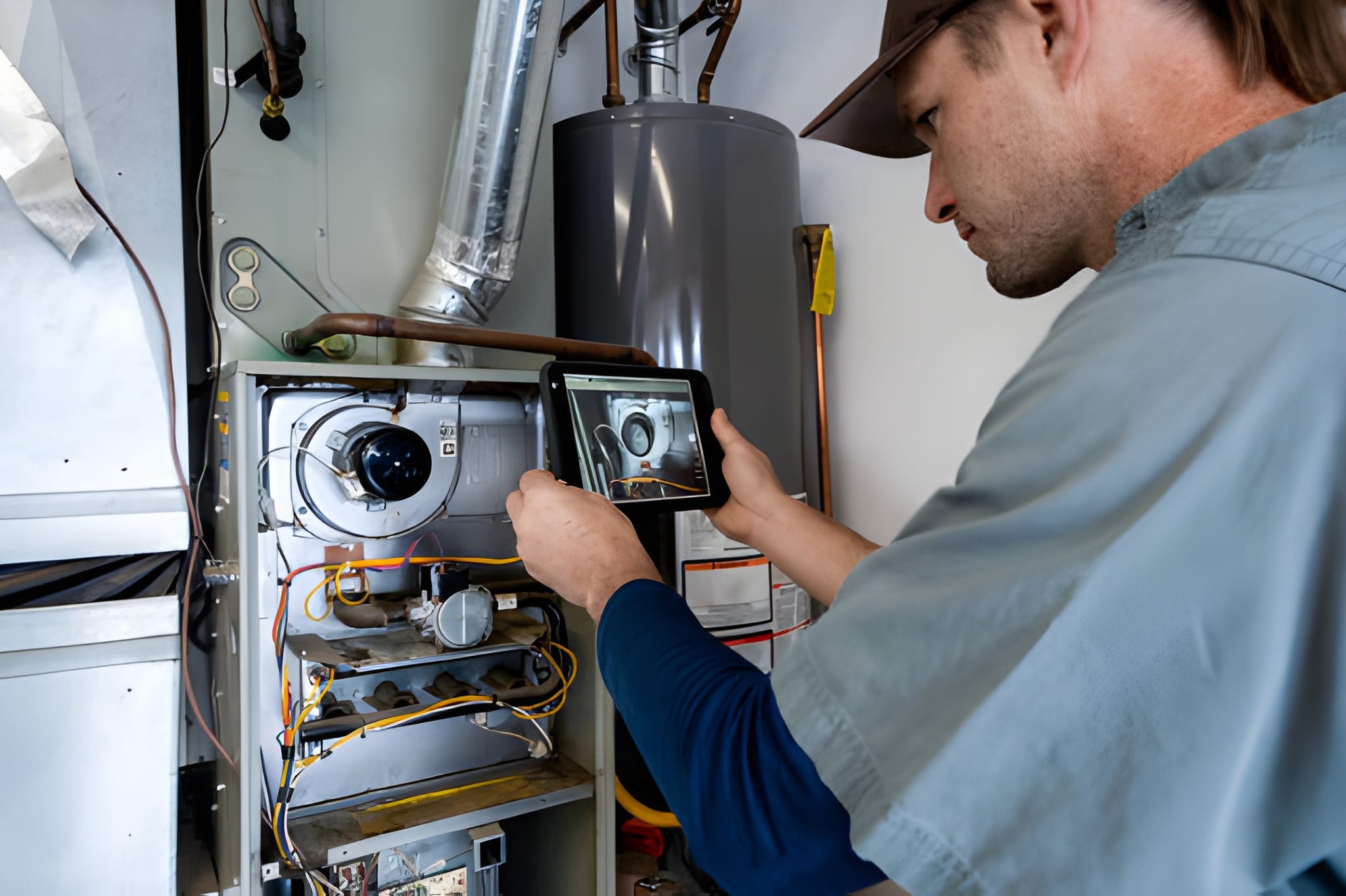
Furnace Tune-Up in Peshastin, WA
Keeping your furnace running reliably through Peshastin winters starts with a professional furnace tune-up. In this agricultural valley, where cold snaps, snow, and big daytime to nighttime temperature swings are common, a well-maintained heating system prevents breakdowns, reduces energy use, and improves comfort. A tune-up is a decision-stage service for homeowners who want verified performance, safer operation, and longer equipment life.
Why a tune-up matters for Peshastin homes
Peshastin homes often face seasonally heavy furnace use and dusty, dry conditions that load filters and combustion components. Rural properties may use natural gas or propane furnaces and rely on steady heat to protect pipes and stored crops or equipment. A tune-up catches small issues before they become emergency repairs, reduces the risk of carbon monoxide leaks, and keeps systems operating near rated efficiency when you need heat most.
What a furnace tune-up covers (standard checklist)
A complete furnace tune-up follows a consistent checklist so you get measurable results and predictable service:
- Filter inspection and replacement or advising on proper filter type and MERV rating for your home
- Thermostat calibration so set temperatures match actual output
- Combustion and safety checks, including burner condition, flame pattern, and fuel pressure for gas/propane systems
- Carbon monoxide test at the heat exchanger and near living spaces
- Flue and vent inspection to verify safe exhaust paths and no blockages
- Airflow testing and static pressure checks to ensure proper circulation
- Blower motor and fan inspection plus lubrication of moving parts where applicable
- Electrical connections and control testing to spot loose wires, failed relays, or worn capacitors
- Ignition and pilot system check for consistent starts
- Heat exchanger inspection for visible cracks or corrosion
- Combustion cleanup such as burner cleaning if needed
- Safety device verification including limit switches and pressure switches
- System performance report with findings, recommended repairs, and efficiency notes
Typical service duration and what to expect
Most furnace tune-ups take between 45 and 90 minutes for a standard residential furnace. Older systems, complicated venting, or in-depth combustion tuning can push the visit toward two hours. The technician typically:
- Reviews your heating history and any recent symptoms
- Runs the furnace through a full heating cycle while observing start-up and shutdown behavior
- Conducts combustion analysis and CO testing
- Adjusts controls, replaces filters if part of the package, and documents findings
A clear service report should list any safety concerns, parts that may need replacement soon, and estimated performance changes after the tune-up.
Measurable benefits of regular tune-ups
Investing in seasonal tune-ups delivers several quantifiable gains:
- Improved reliability: Regular inspection cuts emergency failure risk substantially, especially during prolonged cold spells
- Energy savings: Properly tuned furnaces commonly operate 5 to 15 percent more efficiently, depending on prior condition and thermostat behavior
- Lower repair costs over time: Early detection of worn components prevents more expensive breakdown repairs
- Longer equipment life: Routine lubrication, cleaning, and calibration extend the useful life of the furnace
- Safer operation: Combustion checks and CO testing reduce the risk of hazardous leaks and improper ventilation
- Better comfort and air quality: Correct airflow and fresh filters lead to more even heating and reduced dust circulation
Recommended frequency and seasonal timing for Peshastin, WA
- Annual tune-up: Recommended for most homes, scheduled before the heating season begins. In Peshastin that typically means a tune-up in September through November.
- Semiannual checks: Consider every six months for older systems, homes with frequent temperature changes, or properties that use the furnace to protect water pipes or stored goods through shoulder seasons.
- Filter replacement cadence: Replace or clean filters every 1 to 3 months depending on filter type, household pets, and dust. High-use winters or dusty rural settings may need monthly attention.
Scheduling tune-ups in early fall ensures your system is ready before sustained cold, and a spring visit can address any winter wear and prepare the furnace for summer shutdown if needed.
Common furnace problems identified during tune-ups
Techs commonly find these issues during tune-ups in the Peshastin area:
- Dirty or clogged filters restricting airflow
- Miscalibrated thermostats causing short cycling
- Weak ignition or failing pilot assemblies
- Corroded or cracked heat exchangers (safety concern)
- Blocked flues from nests or debris on rural properties
- Failing blower motors or worn belts reducing circulation
- Loose electrical connections causing intermittent operation
Identifying these early reduces the likelihood of mid-winter failures.
Typical maintenance package options (no prices)
Homeowners can choose from several service package types depending on scope and priorities:
- Basic Tune-Up: Checklist items like filter inspection, thermostat calibration, basic safety checks, and a brief performance test.
- Comprehensive Tune-Up: All basic items plus combustion analysis, CO testing, airflow measurement, burner cleaning, and full control inspection.
- Priority Maintenance Plan: Includes comprehensive tune-ups plus scheduled filter changes at recommended intervals, priority scheduling for service calls, and seasonal reminders.
Packages are designed to fit different needs: minimal upkeep for newer systems or more thorough, recurring care for older equipment and high-use homes.
How technicians diagnose and report issues
A professional tune-up combines visual inspection with measurements:
- Combustion analysis measures CO and combustion efficiency
- Airflow testing and static pressure determine duct or filter restrictions
- Voltage and amperage checks reveal electrical stress on motors
- Thermostat verification compares setpoint to actual delivery
- Visual inspection of venting and heat exchanger looks for corrosion or cracking
A good report explains each finding in plain language, the safety or performance implications, and suggested next steps with estimated urgency.
Tips to extend furnace life between tune-ups
- Replace or clean filters regularly according to use and local dust conditions
- Keep vents and returns unobstructed by furniture or stored items
- Use a programmable or smart thermostat to reduce unnecessary run time
- Clear snow, debris, or vegetation from vent terminations and outdoor components
- Watch for early symptoms like unusual noises, frequent cycling, or higher-than-usual energy bills
Regular tune-ups matched to Peshastin seasonal patterns deliver reliable heat, improved safety, and cost-effective operation. For homes that rely on consistent winter warmth, scheduled maintenance is one of the most effective ways to protect comfort and budget.