Furnace Repair in Quincy, WA

Scroll down to discover more
Furnace Repair in Quincy, WA
When your furnace fails in Quincy, WA, it affects more than comfort — it affects safety, energy bills, and day-to-day routines for households and businesses. Quincy experiences cold winter nights and early morning lows that make reliable heating essential for families, farms, and commercial operations.
Why timely furnace repair matters in Quincy, WA
Quincy’s inland climate brings sharp temperature swings. Furnaces that struggle under prolonged cold run inefficiently and can develop secondary problems faster. For commercial properties such as warehouses, greenhouses, and office buildings, heating downtime can interrupt operations and risk frozen pipes. Prompt diagnostics and repair restore comfort and protect equipment, energy costs, and occupant safety.
Common furnace problems and symptoms in Quincy homes and businesses
Recognizing symptoms early speeds repair and limits damage. Common issues and how they typically present:
- Intermittent heating or no heat
- Furnace cycles but no warm air, or it won’t start at all
- Weak or uneven airflow
- Warm rooms near the furnace, cold rooms farther away
- Strange noises
- Rattling, clanking, squealing, or loud bangs during startup
- Short cycling
- Furnace turns on and off frequently, raising energy use and wear
- Frequent pilot or ignition failures
- Problems staying lit or repeated reset of electronic ignition
- Higher-than-normal energy bills
- Reduced efficiency from clogged filters, failing components, or control issues
- Foul or unusual odors
- Musty, burning, or gas-like smells require immediate attention
- Carbon monoxide concerns
- Symptoms in occupants or suspected CO alarm activation — a safety priority
In Quincy’s rural and semi-rural areas, propane or oil-fired units are more common than in denser urban centers; diagnostics and parts needs will vary by fuel type.
On-site diagnostics and testing procedures
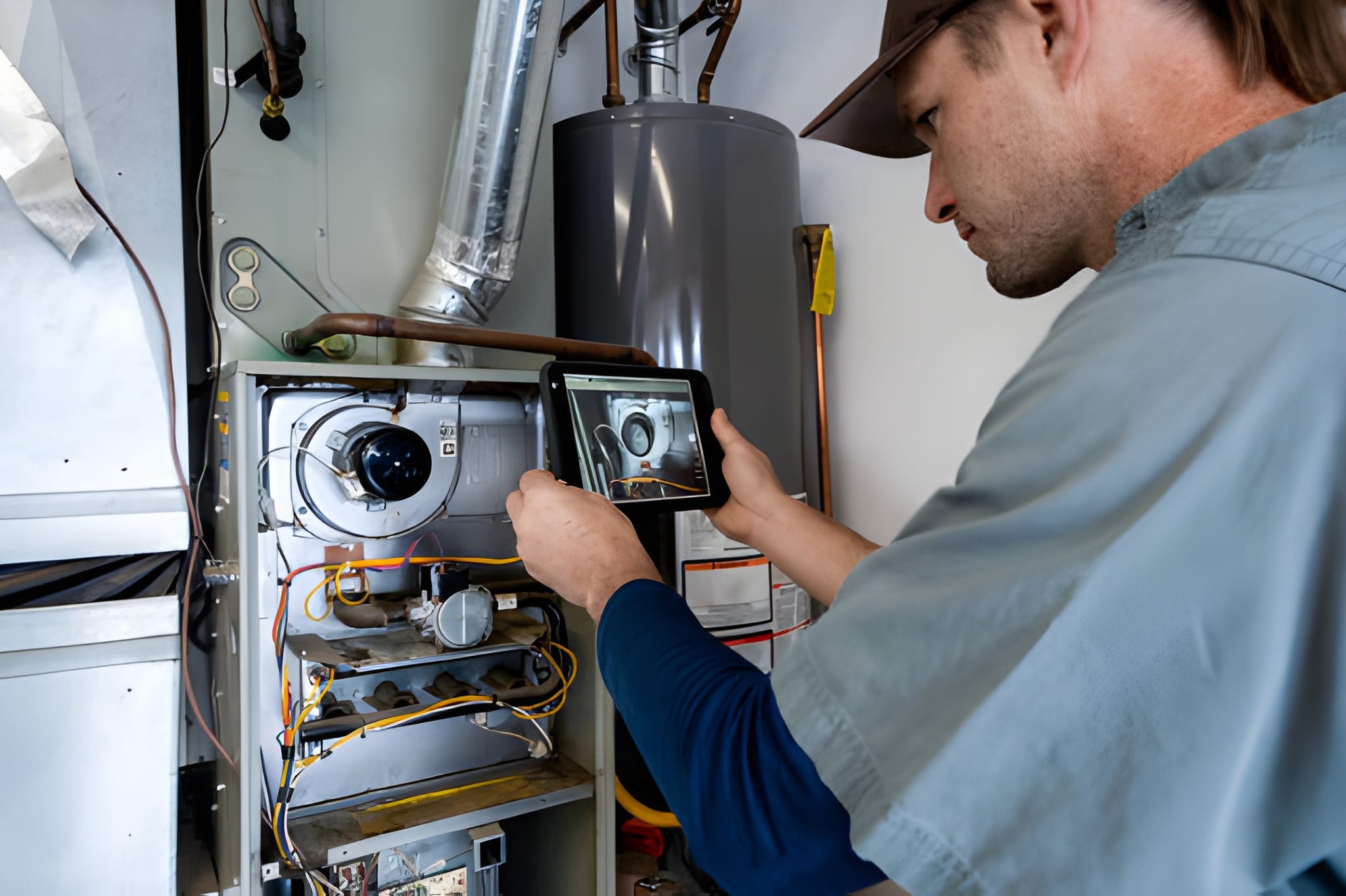
A thorough, methodical diagnostic workflow isolates root causes without unnecessary parts replacement. Typical steps performed during a professional service call:
- Visual and safety inspection
- Check burners, heat exchanger, filters, venting, and visible wiring for damage or leaks
- Thermostat and controls check
- Verify settings, call for heat, and test control board responses
- Airflow assessment
- Inspect filter condition, blower motor operation, duct connection, and return airflow
- Electrical testing
- Measure voltage and current to motors, ignition controls, and safety switches
- Combustion and venting analysis (for gas/propane furnaces)
- Test flame pattern, combustion efficiency, and flue venting to ensure safe exhaust
- Heat exchanger inspection
- Look for cracks or corrosion that can cause efficiency loss or exhaust leakage
- Pressure switches and inducer motor testing
- Confirm safe draft creation and proper switch operation
- System run test
- Observe startup, operation, and shutdown cycles to replicate symptoms
Technicians document findings and explain which tests identify each issue, so you understand why specific repairs are recommended.
Repairs, parts replacement, and OEM-approved practices
Effective furnace repair balances immediate fixes with long-term reliability. Common repairs include:
- Replacing ignition assemblies, flame sensors, and pilot components
- Repairing or replacing blower motors, belts, and capacitors
- Fixing or replacing control boards and relays
- Repairing or replacing faulty gas valves, pressure switches, or induced draft motors
- Sealing or repairing duct leaks and improving airflow
- Heat exchanger replacement or repair when feasible
Quality standards matter. OEM-approved parts and manufacturer-recommended procedures help preserve appliance warranties and ensure safe, efficient operation. When parts replacement is necessary, sourcing compatible components and installing them according to manufacturer specs helps prevent repeat failures and maintains system longevity.
Emergency response and typical response times
Heating emergencies in Quincy — such as no heat during freezing weather or suspected carbon monoxide — require priority handling. Typical response patterns:
- Emergency calls: prioritized with same-day response in many cases, often within a few hours during business hours; after-hours response may be available for critical situations
- Non-urgent repairs: commonly scheduled within 24 to 48 hours, depending on seasonal demand
- Commercial priority service: expedited scheduling for businesses with operational heating needs
Exact response times vary with weather, parts availability, and workload. For safety concerns like suspected gas leaks or carbon monoxide, vacating the space and following local emergency procedures is imperative while professional help is arranged.
Estimates, transparent pricing, and repair recommendations
Transparent, accurate estimates are part of a professional service:
- Diagnostic fee and estimate: technicians typically perform the diagnosis, explain findings, and provide a written estimate describing needed parts, labor, and expected timeline
- Itemized quotes: good estimates separate parts, labor, and any applicable testing or safety checks so you can understand costs
- Options and trade-offs: when multiple repair strategies exist (repair vs replace, OEM part vs aftermarket), expect clear pros and cons for each choice
- Upfront notification of delays or additional work: if hidden damage is found during repair, a technician should stop work and seek approval before proceeding
This approach helps Quincy homeowners and businesses plan and budget without surprises.
Warranty, satisfaction guarantee, and safety assurances
Reliable furnace repair includes both labor and parts protections:
- Parts warranties: most replacement parts carry manufacturer warranties when OEM components are used
- Labor warranty: professional services often include a workmanship warranty for a defined period to ensure repairs perform as expected
- Satisfaction guarantee: reputable providers commit to resolving issues if the system is not functioning properly after repair
- Safety-first practices: technicians test for safe operation after repairs, including combustion analysis, carbon monoxide checks, and venting verification for gas systems
Documented warranties and proof of parts used help protect your investment and ensure future service eligibility.
Preparing for a service visit and scheduling instructions
To streamline diagnostics and speed repair during a scheduled visit, have the following ready:
- Furnace model and serial number (usually on the unit access panel)
- Description of symptoms and when they began
- Any recent maintenance or repairs performed
- Accessibility notes (locked panels, pets, location specifics)
- Preferred days and times for technicians to access the unit
Scheduling can be done through available appointment options such as the company scheduling portal or maintenance appointment systems. When you provide clear information up front, technicians arrive prepared, which reduces onsite time and helps restore heat sooner.
Preventive advice and long-term benefits
Timely repairs and regular maintenance extend furnace life and improve efficiency — especially important in Quincy where seasonal extremes increase runtime. Regular filter changes, annual tune-ups before heating season, and prompt attention to unusual noises or odors reduce emergency breakdowns and lower operating costs.
Furnace repair in Quincy, WA focuses on restoring safe, reliable heat with diagnostic clarity, OEM-compliant repairs, transparent estimates, and documented warranties. Understanding what to expect makes the repair process less disruptive and helps protect comfort and safety for your home or business.