Furnace Repair in Peshastin, WA

Scroll down to discover more
Furnace Repair in Peshastin, WA
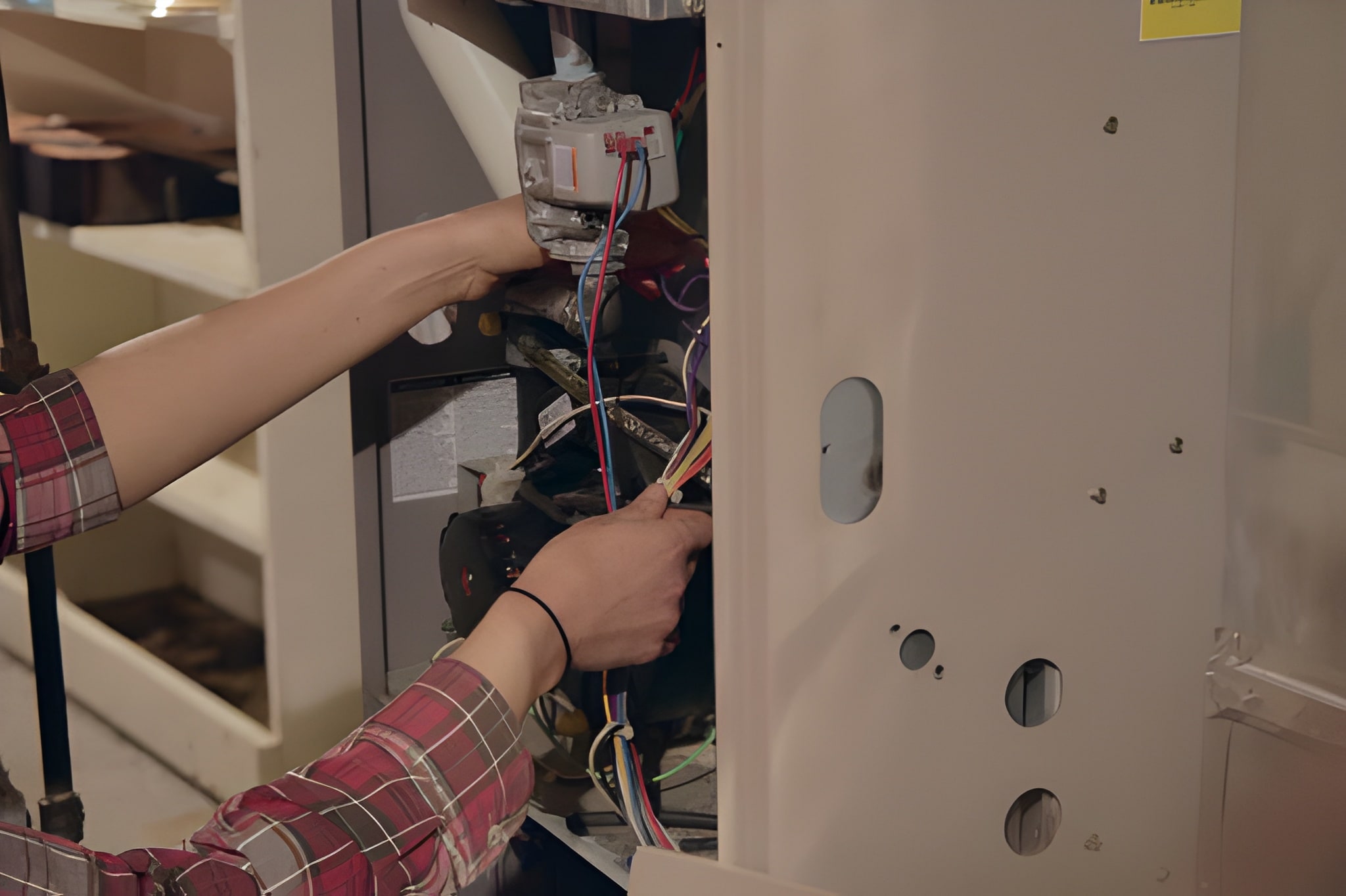
When your furnace fails in Peshastin, WA, it is more than an inconvenience. Cold valley nights and freezing winter mornings can quickly make a small problem into a safety or property risk. We help you understand professional furnace repair services for Peshastin homes, common diagnostics and causes, the step-by-step repair process, typical timelines, how parts and labor are handled, warranty and satisfaction details, and practical safety measures you can use while waiting for service.
Common furnace repair issues in Peshastin, WA
Homes in the Wenatchee Valley and surrounding orchards face specific heating stresses: cold nights, temperature swings, and dust from agricultural activity. These conditions contribute to several frequent furnace issues:
- No heat at all: often caused by thermostat failure, lack of power, gas or propane supply interruption, or ignition problems.
- Ignition or pilot problems: electronic igniters and pilot assemblies wear out or become dirty, preventing reliable ignition.
- Strange noises: rattling, banging, or squealing can point to loose panels, failing blowers, or delayed ignition.
- Pilot control issues: intermittent pilot or flame sensing faults lead to system shutdowns for safety.
- Short cycling: furnace turns on and off rapidly, often due to airflow restrictions, clogged filters, or malfunctioning controls.
- Blower motor failure: reduced airflow, overheating, or total blower stoppage.
- Venting and flue problems: blockages or corrosion can reduce combustion efficiency and increase safety risks.
- Carbon monoxide concerns: cracked heat exchangers or vent problems require immediate attention and testing.
How we diagnose furnace problems
A reliable repair starts with a systematic diagnostic approach so you know what is wrong and why. Typical diagnostic steps include:
- Visual and safety inspection: check for gas odors, visible damage, and ensure safety switches and carbon monoxide detectors are functioning.
- Thermostat verification: confirm set temperatures, wiring, and controls.
- Power and fuel checks: verify electrical supply, breakers, and gas or propane pressure and valves.
- Ignition and flame testing: inspect igniter, pilot assembly, flame sensor, and combustion characteristics.
- Airflow and blower assessment: measure blower function, filters, duct restrictions, and return air.
- Control and board checks: test relays, control boards, and safety interlocks.
- Exhaust and vent analysis: ensure flue paths are clear and draft is correct.
- Operational run tests: monitor the system through a full cycle to reproduce noises, cycling, or failure modes.
Diagnostics are explained in plain language and documented so you understand the cause and the repair options.
The furnace repair process — step by step
Professional repairs follow a consistent workflow that prioritizes safety, transparency, and long-term reliability:
- Arrival and safety setup: secure the work area, perform initial safety checks, and power down equipment as needed.
- Focused diagnostics: run the tests listed above and identify failed components or settings.
- Repair recommendations and estimate: present repair options, explain parts versus labor, and provide a clear estimate before any work begins.
- Parts replacement or repair: install OEM-equivalent replacement parts or perform recalibration and cleaning as appropriate.
- Testing and calibration: run multiple cycles, measure combustion and airflow, and adjust controls and thermostat settings.
- Cleanup and documentation: remove debris, restore access panels, and leave a written summary of work performed and items replaced.
Typical timelines: initial diagnostic assessment is usually completed within an hour to 90 minutes depending on access and system complexity. Minor repairs and adjustments are often resolved the same day. Major component replacements or hard-to-source parts may require additional time for procurement and scheduling, ranging from short delays to a few days for special-order components.
Parts, labor, pricing transparency, and warranties
Repairs commonly involve components such as igniters, flame sensors, pilot assemblies, blower motors, control boards, filters, belts, and gas valves. Labor covers diagnostic time, parts installation, calibration, and safety testing.
- Transparent estimates: you receive a clear breakdown of parts versus labor before any work begins so you can make an informed decision.
- Parts sourcing: when possible, OEM or OEM-equivalent parts are used to maintain reliability and manufacturer compatibility.
- Warranties: manufacturer warranties on replacement parts are honored where applicable, and workmanship is backed by a satisfaction guarantee and a stated labor warranty. Warranty terms are explained at the time of estimate so you know what is covered and for how long.
Emergency and same-day service in Peshastin
No-heat situations in freezing weather are treated with priority. Emergency or same-day service is available for urgent safety or comfort issues, with response times adjusted for rural access and road conditions common to the valley. When weather or parts availability affects timing, clear expectations are provided so you know when service will be completed.
Temporary safety measures while waiting for repair
If you are waiting for a technician, use these practical safety steps to reduce risk and discomfort:
- Monitor carbon monoxide detectors and replace batteries if needed. Evacuate and seek emergency help if an alarm sounds.
- If you smell gas, leave the building immediately and contact emergency responders or your gas provider. Do not operate switches, appliances, or the thermostat.
- Keep furnace access panels closed unless instructed; do not attempt internal repairs.
- Use electric space heaters that are UL listed and placed on stable surfaces, away from flammable materials; follow all manufacturer safety instructions. Avoid unvented fuel-burning heaters indoors.
- Maintain airflow by keeping vents and returns unobstructed, and remove cold drafts by sealing windows and doors temporarily.
- Layer clothing and use blankets to reduce heat loss; open internal doors to allow warm air circulation from working rooms.
Why timely furnace repair matters for Peshastin homes
Prompt repairs preserve safety, comfort, and energy efficiency. In Peshastin winters, a well-functioning furnace reduces the risk of frozen pipes, prevents uneven heating that can stress other systems, and lowers energy waste from short cycling or inefficient combustion. Regular attention also extends equipment life and protects property value.
Maintenance tips to reduce future repairs
- Schedule an annual heating tune-up before the heating season to catch small issues early.
- Replace or clean filters monthly during heavy-use months to maintain airflow and combustion quality.
- Keep the area around the furnace free of debris, dust, and stored items.
- Test thermostats and safety devices seasonally and replace batteries in detectors annually.
- Track service history and parts replaced so future diagnostics are faster and more accurate.
Our approach combines methodical diagnostics, clear explanations, and reliable repairs tailored to the climate and home types found around Peshastin, WA. If safety, efficiency, and dependable heat matter to your household, prompt and transparent furnace repair protects both your comfort and your property.