Furnace Repair in Lake Wenatchee, WA

Scroll down to discover more
Furnace Repair in Lake Wenatchee, WA
Keeping your furnace running reliably is essential in Lake Wenatchee, where cold, snowy winters and mountain elevation increase heating demand. Expert furnace repair in Lake Wenatchee, WA focuses on fast, accurate diagnostics, safe on-site repairs, and durable component replacements so your home or cabin stays comfortable and safe. Whether you have a year-round residence, a seasonal getaway, or a remote property, this page explains common furnace problems, how professionals diagnose and fix them, what to expect for emergency response, and the transparent pricing and warranty practices that protect your investment.
Why timely furnace repair matters in Lake Wenatchee
- Winter temperatures and heavy snow put extra strain on heating systems, increasing the chance of component failure.
- Vacation homes and seasonal properties can develop furnace problems during long idle periods; unattended issues may lead to frozen pipes or costly damage.
- Mountain elevation and fuel types (natural gas, propane, or electric systems) can influence combustion and ventilation needs, so technicians must adapt diagnostics and repairs to local conditions.
- Prompt repair reduces safety risks, improves efficiency, and restores reliable heat when you need it most.
Common furnace problems in Lake Wenatchee homes
Here are the frequent issues technicians encounter, with typical symptoms and what the repair usually involves.
- Ignition or pilot problems
- Symptoms: Furnace won’t light, repeated attempts to ignite, or smell of gas.
- Causes: Faulty igniter, dirty pilot assembly, or flame sensor issues.
- Solution: Safe inspection of the ignition system, cleaning or replacing the igniter or flame sensor, and verifying proper fuel delivery and venting.
- Blower motor and airflow issues
- Symptoms: Weak or no airflow from vents, uneven heating, or unusual noises from the furnace.
- Causes: Worn blower motor bearings, clogged filters, or obstructed duct intake.
- Solution: Motor testing, replacing worn components, cleaning or changing filters, and balancing airflow through the duct system.
- Thermostat malfunctions
- Symptoms: Furnace cycles incorrectly, fails to reach set temperature, or will not respond to settings.
- Causes: Calibration errors, dead batteries, loose wiring, or failing control boards.
- Solution: Verify thermostat programming and wiring, recalibrate or replace the thermostat, and check system control circuits.
- Ductwork problems
- Symptoms: Cold spots, high heating bills, or dusty airflow.
- Causes: Leaks, disconnected sections, poor insulation, or rodents in crawl spaces.
- Solution: Leak sealing, re-anchoring ducts, adding insulation for cold runs, and recommending air sealing measures for improved efficiency.
- Combustion and venting concerns
- Symptoms: Yellow pilot light, soot, or carbon monoxide detector alerts.
- Causes: Incomplete combustion, blocked flue, or improper venting at high elevation.
- Solution: Combustion safety checks, flue inspections, cleaning, and adjustments to ensure safe exhaust and proper combustion.
Diagnostic process — what technicians do on-site
A professional furnace repair starts with a systematic diagnostic process designed for accuracy and safety.
- Visual and safety inspection of the furnace cabinet, gas lines, electrical connections, and venting.
- Verify power and fuel supply, check thermostat settings, and evaluate recent error codes or control board indicators.
- Test ignition, flame quality, and combustion where applicable to detect incomplete combustion or flue restriction.
- Measure airflow and blower performance, inspect filters, and evaluate duct connections.
- Provide a clear, written estimate outlining recommended repairs, parts needed, labor, and warranty terms before any work begins.
Technicians adapt these steps for Lake Wenatchee homes where elevation and seasonal use can change system behavior; they also check for issues caused by long vacancy, wildlife, or extreme weather.
On-site repairs and component replacement
When repairs are approved, skilled technicians perform service with a focus on longevity and safety.
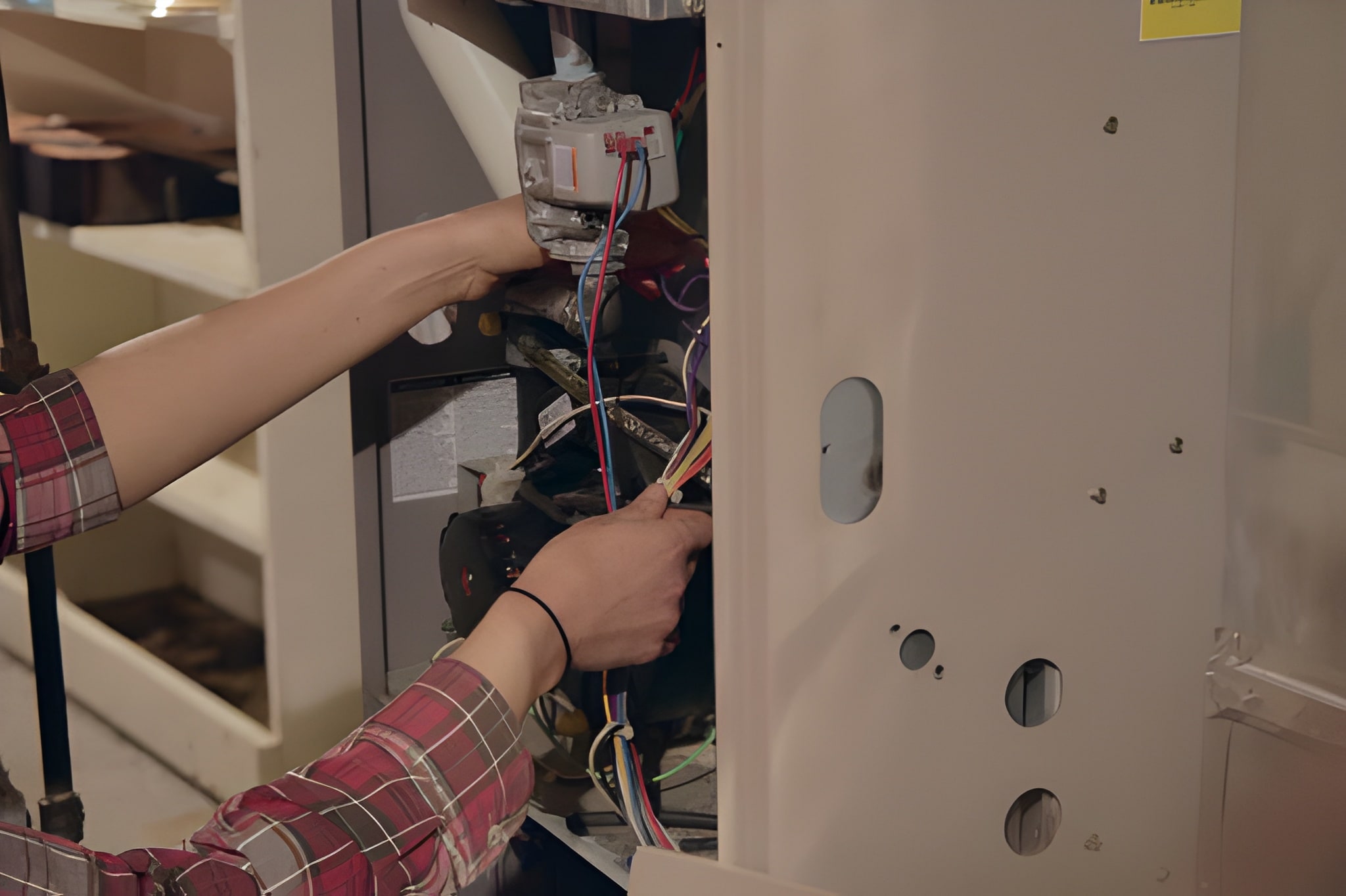
- On-site repairs include cleaning burners and flame sensors, replacing igniters, lubricating and testing blower motors, tightening electrical connections, and recalibrating thermostats.
- Component replacement covers filters, motors, control boards, ignition systems, heat exchangers, and safety switches. Technicians stock common replacement parts for major furnace brands such as Carrier, Trane, Lennox, Goodman, Rheem, and others to reduce downtime.
- All repairs include functional testing and system tuning so the furnace operates efficiently once the technician leaves.
Emergency response and estimated arrival times
Heating emergencies in winter require fast action. Estimated response times can vary with weather and road conditions in the Lake Wenatchee area, but typical expectations are:
- Emergency calls during winter weather: technicians aim to respond within 2 to 6 hours when possible, depending on road access and crew availability.
- Urgent but non-emergency issues: often handled the same day or next business day.
- Remote properties: allow extra time for travel in snowy or icy conditions; technicians will communicate estimated arrival windows.
These are estimated response ranges used to set expectations; actual response depends on local conditions and scheduling.
Transparent pricing and warranties
Professional furnace repair emphasizes clarity so you know what to expect.
- You will receive a written estimate before work begins outlining parts, labor, and any diagnostic fees.
- Pricing practices are transparent with line items for parts and labor rather than surprise charges.
- Repairs come with clearly stated parts and labor warranty terms. Technicians also honor manufacturer warranties on replaced components and explain coverage in the estimate so you understand what is protected.
Steps to schedule furnace repair service
Scheduling is straightforward and designed for busy homeowners and seasonal property owners.
- Describe the problem and symptoms so the scheduler can prioritize the call and recommend emergency dispatch if needed.
- Provide property details (fuel type, make/model if known, and whether the home is occupied) to help the technician prepare parts and tools.
- Confirm an appointment window and any access instructions for remote or vacation properties.
- Receive a written estimate on arrival and authorize needed repairs before work begins.
- After completion, obtain documentation of the work performed, warranty information, and recommendations for maintenance.
Ongoing benefits and maintenance advice
A repaired and well-tuned furnace runs safer and more efficiently, reduces utility costs, and prevents inconvenient breakdowns. For Lake Wenatchee homes, consider seasonal maintenance before winter and checks after long vacancy to prevent freeze-related failures. Regular filter changes, annual safety inspections, and addressing small issues early will extend system life and provide dependable heat when you need it most.
Central Air Solutions stands behind professional furnace repair in Lake Wenatchee, WA with experienced technicians familiar with major brands, transparent estimates, and a satisfaction guarantee to ensure your home stays warm and safe through the season.