
Furnace Repair in George, WA

Scroll down to discover more
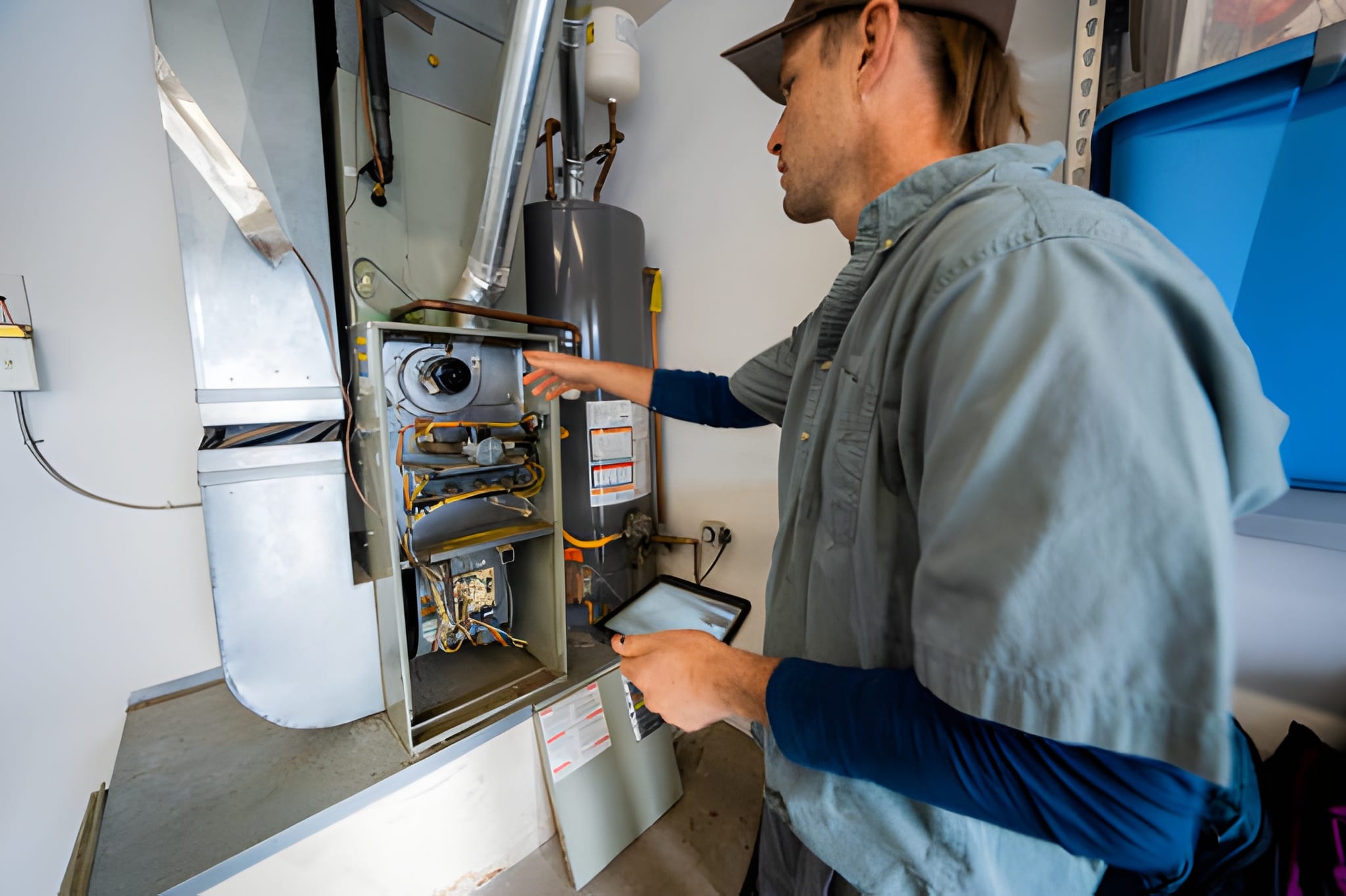
Furnace repair in George, WA covers urgency, diagnostic steps, and common issues affecting local homes. It outlines typical problems such as ignition failures, no heat, blower motor faults, and uneven heating, along with a thorough diagnostic process including visual inspection, safety checks, electrical testing, and gas and vent assessments.
Furnace Repair in George, WA
Keeping your furnace running reliably is essential for comfort and safety during George winters. Whether your system won’t start, is cycling on and off, or producing uneven heat, professional furnace repair in George, WA focuses on fast, accurate diagnosis and lasting fixes tailored to local homes. George’s wide temperature swings, seasonal dust from agriculture, and occasional high winds make timely furnace service especially important for efficiency and indoor air quality.
Why timely furnace repair matters in George, WA
- Prevents cold nights and frozen pipes during sudden temperature drops.
- Reduces risks associated with cracked heat exchangers or gas leaks.
- Restores energy efficiency that gets eroded by dirty components and failing parts.
- Improves indoor air quality in homes exposed to regional dust and wildfire smoke.
Common furnace problems in George, WA homes
Homes in and around George commonly experience these faults:
- Ignition and pilot failures: electronic igniters or pilots that fail to light due to fouled sensors, weak gas flow, or power interruptions.
- No heat or intermittent heat: thermostat issues, control board faults, or clogged filters causing the system to lock out.
- Blower motor problems: noisy or non-functioning blowers caused by worn bearings, bad capacitors, or clogged blower wheels from dust.
- Short cycling (turning on and off frequently): often from clogged filters, improper airflow, thermostat location, or safety limit switches tripping.
- Uneven heating or long runtimes: duct leaks, blocked vents, or a failing heat exchanger.
- Strange odors or carbon monoxide concerns: caused by incomplete combustion or cracks in the heat exchanger — a safety-critical diagnosis.
- Venting and flue issues: high winds and settling can loosen venting, causing backdrafting or poor exhaust flow.
- Age-related component failure: furnaces over 15 years old commonly need frequent repairs for igniters, motors, and control boards.
Diagnostic process and typical troubleshooting steps
A thorough diagnostic is the first step in professional furnace repair. Typical procedures include:
- Visual inspection: evaluate burners, heat exchanger, vents, wiring, and gas connections for obvious damage or wear.
- Safety checks: test for carbon monoxide presence, verify venting integrity, and inspect combustion byproducts.
- Electrical diagnostics: verify proper voltage, inspect capacitors, sensors, relays, and the control board for faults.
- Ignition system testing: check pilot assemblies or hot-surface igniters and flame sensors, clean or replace as needed.
- Airflow assessment: inspect filters, blower wheel, motor operation, and ductwork for restrictions or leaks.
- Thermostat verification: confirm setpoints, wiring, and calibration; upgrade recommendations when older or malfunctioning.
- Gas pressure and burner combustion tuning: ensure correct gas flow and efficient combustion.
- Error code retrieval: modern furnaces often store fault codes that guide repair decisions.
Technicians will explain findings in plain language, outline options (repair vs replacement when applicable), and describe expected timelines for parts and repairs.
Emergency and same-day repair options
George residents frequently need prompt service during cold snaps. Emergency and same-day repair options typically include:
- Priority diagnostic visits to identify safety issues first.
- On-the-spot repairs for common faults (igniter, flame sensor, capacitor, thermostat recalibration) when parts are in stock.
- Temporary safety measures (furnace lockouts, gas shutoffs) until permanent repairs can be completed.
- Parts ordering and return visits scheduled when specialized components are required.
Technicians prioritize safety hazards such as suspected heat exchanger cracks or gas leaks and will recommend interim measures to keep occupants safe.
Typical repair timelines
- Diagnostic visit and safety check: 30–60 minutes.
- Simple repairs (clean flame sensor, replace filter, thermostat recalibration): completed in a single visit, often 30–90 minutes.
- Component replacements (igniter, blower motor, control board): usually same-day if the part is in stock; otherwise 1–3 days to obtain parts.
- Major repairs (heat exchanger replacement or full system replacement): multi-day jobs that may require permits, safety checks, and additional labor.Timelines depend on parts availability and the complexity of the fault.
OEM vs aftermarket parts — what to expect
- OEM parts: made by the furnace manufacturer, offer direct compatibility and preserve factory warranties when used. Typically recommended for newer or high-efficiency systems.
- Aftermarket parts: generally lower cost and widely available for older units. Many aftermarket components meet or exceed OEM specifications, but compatibility and long-term durability vary.
- Professionals will recommend the best option based on the furnace age, warranty status, and long-term cost-effectiveness.
Warranty and workmanship guarantees
Reliable furnace repair includes clear warranty coverage:
- Manufacturer warranties cover OEM parts per the original terms when used.
- Repair providers commonly offer workmanship guarantees that protect against defects in labor for a defined period.
- Safety-related inspections and post-repair testing should always be part of the service, and documentation of repairs and warranties is standard practice.
Examples of common local repairs in George
- Replacing a fouled flame sensor and tuning burners on an older natural gas furnace affected by agricultural dust, restoring reliable ignition.
- Repairing a blower motor with a failed capacitor in a home with heavy seasonal dust buildup; cleaning ducts and installing a higher-grade filter reduced recurrence.
- Correcting venting backdraft caused by strong winds dislodging a vent cap; technician re-secured flue and installed a wind-resistant termination.
- Diagnosing a thermostat wiring fault in a rural home where rodents had chewed low-voltage wiring; replaced thermostat and protected wiring runs.
- Emergency response to a cracked heat exchanger suspicion triggered by unusual odors and cycling; system locked out and temporary heating plan arranged until replacement components arrived.
These examples reflect common patterns in George homes: exposure to dust, wind-related vent issues, and older systems needing parts.
Preventive maintenance and long-term benefits
Regular maintenance reduces repair frequency and extends furnace life:
- Seasonal tune-ups clean burners and sensors, test safety controls, and optimize combustion.
- Replacing filters regularly improves airflow and protects blower motors.
- Sealing and insulating ducts improves comfort and reduces runtime.
- Upgrading thermostats and control systems can improve efficiency and reduce wear.
- Well-maintained systems run safer, use less fuel, and provide more consistent heat through George’s variable climate.
Scheduling options (informational)
Service appointments for furnace diagnostics and repairs are typically available through an online booking form or by phone. Many providers offer options for same-day or emergency visits depending on technician availability. When you request service, expect to be asked about symptoms, furnace model and age, and any safety concerns observed.