Furnace Repair in Crescent Bar, WA

Scroll down to discover more
Furnace Repair in Crescent Bar, WA
Your furnace is the backbone of winter comfort in Crescent Bar, WA. Whether you own a year-round riverfront home, a seasonal rental, or a small commercial property, prompt, accurate furnace repair keeps living spaces safe and usable during cold nights and rapid temperature swings.
Why timely furnace repair matters in Crescent Bar
Crescent Bar experiences cold winter nights and large temperature swings between day and night. Many properties are near the Columbia River and some are used seasonally. Those conditions increase the risk of:
- Condensation and corrosion from moisture
- Ignition and pilot light issues after long idle periods
- Clogged filters and heat exchanger stress from seasonal ash and dust
Repairing problems early reduces the risk of carbon monoxide hazards, higher energy bills, and costly heat exchanger failure. For rental and light commercial properties, fast, reliable furnace service preserves occupancy and tenant satisfaction.
Common furnace problems in Crescent Bar
Homeowners and light-commercial operators in this area often call for these symptoms:
- Furnace will not start or cycles on and off frequently
- Weak or no warm air coming from vents
- Unusual noises: banging, rattling, or squealing
- Strong or persistent odors (burning, musty, or gas)
- Thermostat not triggering the furnace correctly
- Frequent pilot outages or ignition failure in older gas furnaces
- Rising utility use with no heat output improvement
These symptoms are typical locally because seasonal use, wildlife nesting in vents, and wildfire ash can accelerate wear and obstruction.
Diagnostic and troubleshooting process
Quality furnace diagnosis combines systematic testing and a clear explanation of findings. Typical diagnostic steps include:
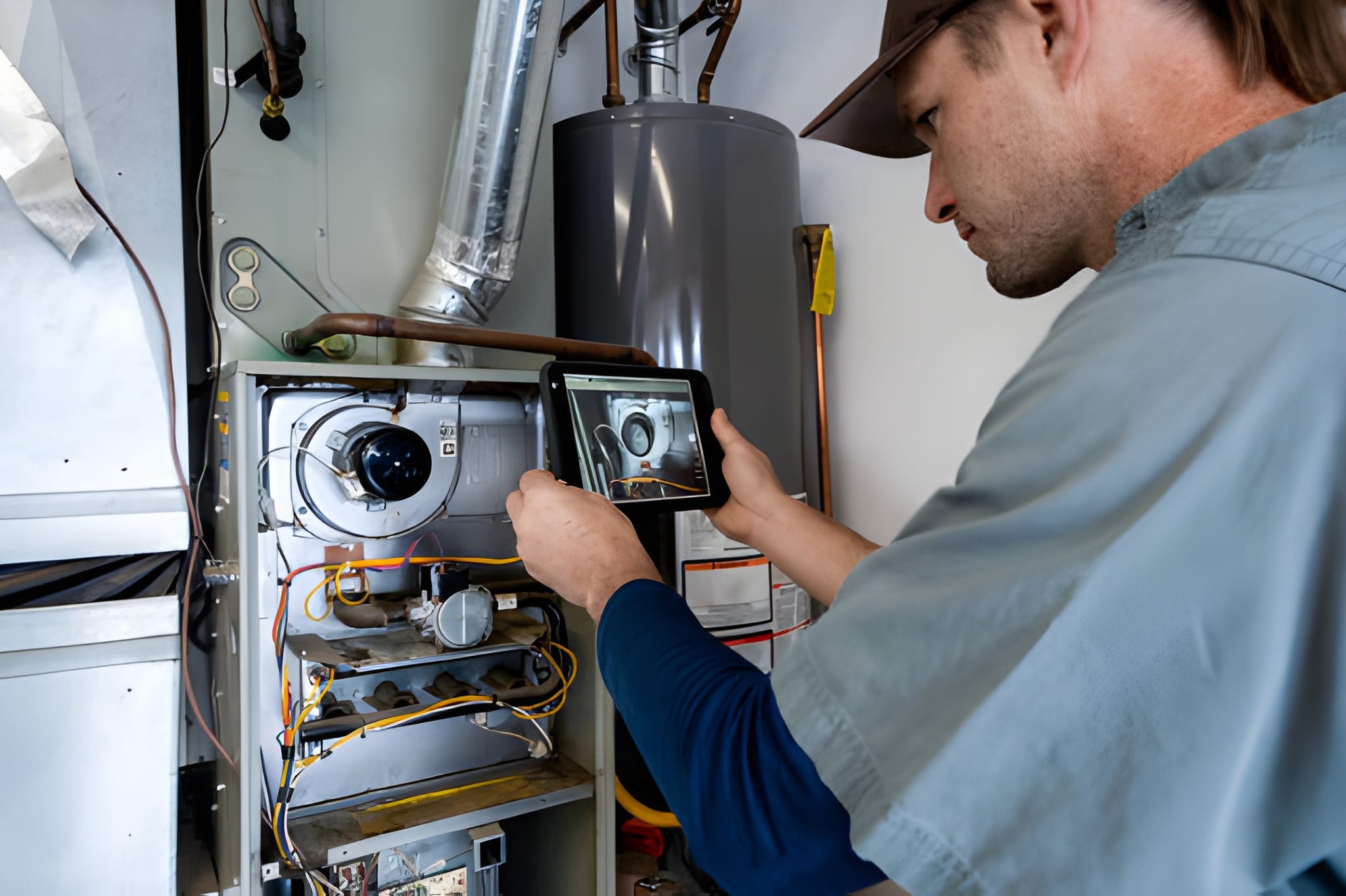
- Visual inspection of furnace cabinet, burners, heat exchanger, and flue
- Filter and vent checks for clogs, animal nests, or visible damage
- Thermostat verification and wiring continuity testing
- Electrical testing of capacitors, motors, relays, and control boards
- Gas pressure and ignition system testing for gas furnaces
- Combustion and carbon monoxide testing when combustion systems are present
- Airflow measurement and duct checks for obstructions or leaks
Diagnostics usually start with safe shut down procedures and include testing with handheld meters and combustion analyzers when needed. Technicians explain findings in plain language and outline repair options and probable outcomes.
Typical repairs and parts replacement
Many repairs are straightforward; others require parts ordering or more extensive labor. Typical components serviced or replaced include:
- Air filters and filter racks (simple fixes that improve airflow)
- Ignition modules or hot surface ignitors
- Flame sensors and pilot assemblies
- Thermostats and zone control components
- Draft inducer and blower motors
- Belts, bearings, and fan assemblies
- Limit switches, pressure switches, and control boards
- Heat exchanger repair or replacement in severe cases
- Gas valves and related safety devices
Parts selection is based on system age, manufacturer specifications, and safety codes. When replacement is recommended, technicians will explain longevity and efficiency impacts.
Emergency repair availability and response
Homes and rental properties in Crescent Bar can need urgent attention during cold snaps. Emergency furnace repair services typically include:
- Priority diagnostics for systems that are not heating
- Immediate safety checks for gas leaks or carbon monoxide risks
- Temporary measures to restore heat safely when full repair requires parts
- Emergency response times vary with weather, access, and parts availability. For systems that can be restored on site, repairs are often completed the same day. If parts need to be ordered, technicians outline expected wait times and interim safety steps.
Expected timelines and pricing considerations
Typical timeframes you can expect:
- Basic diagnosis: 30 to 90 minutes
- Minor repairs (filters, sensors, ignitors): same day, often within 1 to 3 hours
- Motor or blower replacement: part replacement plus labor, commonly completed within a day if parts are on hand
- Major repairs or heat exchanger replacement: may require ordering parts and scheduling; allow multiple days to a week depending on availability
Pricing depends on the nature of the repair, parts required, system age, and whether natural gas or electric components are involved. Transparent estimates should list labor, parts, and any warranty coverage. For rental and light-commercial accounts, ongoing maintenance plans can reduce emergency repair frequency and improve budgeting predictability.
Warranty and satisfaction guarantee
Reliable furnace repair work combines manufacturer warranties with service-level guarantees. Typical warranty structure includes:
- Manufacturer warranty covering new parts per the part manufacturer terms
- Service warranty on labor for a defined period after repair
- Satisfaction guarantee on workmanship to ensure the repair restores safe, reliable operation
- Always request written documentation of any warranties provided and retain receipts and diagnostic reports for future service or warranty claims.
Tips to avoid future breakdowns in Crescent Bar
Proactive maintenance reduces unexpected failures and keeps efficiency high:
- Change or clean filters every 1 to 3 months, more frequently during wildfire season or heavy use
- Schedule professional furnace tune ups before the heating season and after prolonged idle periods
- Inspect vents and intakes for animal nests, debris, or ash buildup
- Keep combustion air and flue pathways clear and visible
- Test carbon monoxide detectors monthly and replace batteries as needed
- For seasonal properties, run the furnace briefly every few weeks during cold months to prevent sticky valves and pilot problems
- Consider a programmable or smart thermostat to reduce cycling and protect components
Regular maintenance is the most cost effective way to extend furnace life and avoid emergency calls.