Furnace Maintenance in Wenatchee Heights, WA

Scroll down to discover more
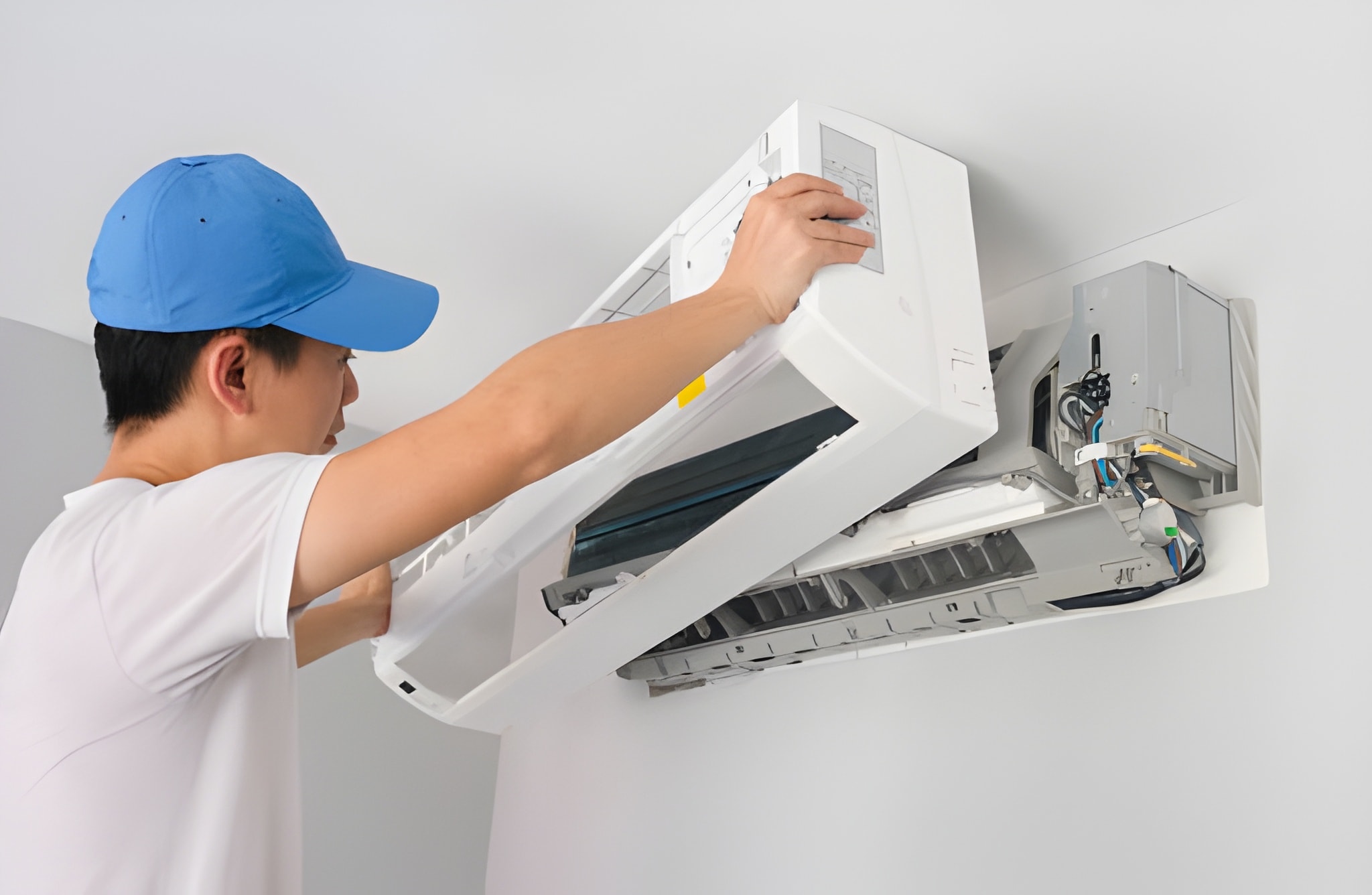
Furnace maintenance for Wenatchee Heights homes delivers proactive inspections, cleaning, and tuning to improve safety, reliability, and energy efficiency during harsh winters. A comprehensive program addresses filters, burners, flame sensors, blower assemblies, thermoregulation, and duct performance, with safety checks for heat exchangers and CO detectors. Regular annual tune-ups, optional mid-season checks, and monthly filter monitoring help prevent mid-winter failures, reduce energy use, and extend equipment life. Plans range from Basic to Comprehensive, prioritizing predictable service and transparent performance reporting.
Furnace Maintenance in Wenatchee Heights, WA
Keeping your furnace in peak condition is essential for steady, safe heat through Wenatchee Heights winters. Regular preventative maintenance reduces emergency breakdowns, preserves system efficiency, and extends equipment life—especially important here where cold snaps and heavy seasonal use can strain older systems.
Why furnace maintenance matters in Wenatchee Heights
Wenatchee Heights experiences dry summers with dust and pollen, followed by cold winters that put sustained demand on heating systems. That climate pattern means:
- Filters clog faster from seasonal dust and wildfire smoke, reducing airflow and forcing the furnace to work harder.
- Long run-times during cold spells increase wear on ignition systems, blowers, and heat exchangers.
- Timely safety checks are critical because older or neglected furnaces have a higher risk of combustion problems or carbon monoxide leaks.
Routine maintenance mitigates those risks, improves comfort, and helps prevent expensive mid-winter failures.
Common furnace maintenance issues in Wenatchee Heights homes
- Dirty or clogged air filters causing reduced airflow and uneven heating
- Soiled burners and flame sensors leading to ignition problems or inefficient combustion
- Squeaks, rattles, or failing blower motors from worn bearings and accumulated debris
- Cracked or corroded heat exchangers that compromise safety and require immediate attention
- Improper thermostat calibration or failing controls resulting in short cycling
- Restricted or leaky ductwork that reduces system efficiency and increases energy bills
- Flue or vent obstructions causing improper exhaust and safety hazards
Understanding these common failure points makes it easier to prioritize effective maintenance that prevents them.
What a comprehensive furnace maintenance program includes
A professional preventative program goes beyond a quick visual inspection. Key tasks typically performed:
- Seasonal inspection and operational check
- Visual inspection of burners, ignition system, control board, and heat exchanger condition
- Test start-up, full operating sequence, and safe shutdown procedures
- Verify proper flame quality and combustion characteristics
- Filter inspection and replacement schedule
- Check filter type and condition; advise an appropriate replacement cadence
- Typical guidance: 1-inch disposable filters — monthly; pleated 4–5 inch filters — every 3 months; high-efficiency (MERV 8–13) may need seasonal swaps based on dust/smoke conditions
- Recommend temporary higher-efficiency filters during wildfire smoke events
- Cleaning of burners, flame sensors, and blower assemblies
- Remove dust and debris from burners to ensure even combustion
- Clean flame sensors and igniters to reduce misfires
- Vacuum and wipe blower wheel and housing to restore airflow and balance
- Efficiency and airflow tuning
- Inspect and test blower motor operation and belt tension (if applicable)
- Measure temperature rise across the heat exchanger to confirm system sizing and efficiency
- Check and calibrate thermostat and controls for accurate temperature regulation
- Safety checks
- Inspect heat exchanger for cracks, corrosion, or stress points
- Test carbon monoxide detectors and recommend placement if none are present
- Verify proper venting, flue clearances, and draft to prevent backflow of combustion gases
- Duct and system performance review
- Inspect accessible ductwork for disconnections, leaks, or insulation gaps
- Check supply and return registers for obstructions and advise balancing where rooms are under- or over-heated
- Performance tuning and recommendations
- Identify worn parts that affect reliability (belts, capacitors, ignition components)
- Provide prioritized repair or replacement recommendations to avoid sudden failures
Recommended service intervals for Wenatchee Heights homes
- Annual heating tune-up (fall): A full pre-season inspection and cleaning before the heating season begins is the industry standard and the most important visit for reliability and safety.
- Mid-season check (optional for older or high-use systems): For homes with older furnaces, high usage, or households sensitive to comfort disruption, a mid-winter inspection helps catch developing issues early.
- Filter checks: Monthly for thin disposable filters; every 2–3 months for thicker pleated filters or more often during dusty/wildfire seasons.
Tailoring the schedule to your system age, household health needs (allergies), and local air quality conditions will deliver the best long-term performance.
Maintenance plan types (what to expect)
Maintenance programs are usually offered in tiered plans so homeowners can choose the level of protection that fits their needs:
- Basic Service Plan: Annual inspection, safety check, and a checklist of essential cleanings and adjustments.
- Preferred Plan: Annual inspection plus a mid-season check, one or more filter changes per year, and priority scheduling for service visits.
- Comprehensive Plan: All Preferred benefits plus seasonal filter delivery or replacement, discounted repairs, and system performance reports to track efficiency over time.
Plans focus on predictable service intervals and consistent documentation of system condition without surprise work when problems are discovered.
Benefits of regular furnace maintenance
- Fewer breakdowns: Early identification and replacement of worn parts prevents emergency failures at the coldest times.
- Improved efficiency: Clean components and correct adjustments reduce fuel use and help lower monthly heating costs.
- Extended equipment life: Routine care reduces strain and delays the need for premature system replacement.
- Better indoor air quality: Clean filters and ducts cut down dust and allergens entering living spaces—important in dry, dusty Wenatchee seasons.
- Safety assurance: Regular inspections detect combustion or venting issues that could produce carbon monoxide or fire hazards.
Practical homeowner maintenance tips
- Replace or check filters according to the recommendations above and keep spare filters on hand.
- Keep vents and returns unobstructed by furniture, drapes, or storage.
- Set thermostats to reduce short cycling—use setback settings and programmable/connected thermostats for controlled efficiency.
- Install and maintain carbon monoxide detectors on each level of the home.
- During wildfire smoke events consider switching to higher-efficiency filters and increasing replacement frequency.
- Clear any yard debris or stored items away from outdoor vents and furnace intakes.
Regular professional furnace maintenance tailored for Wenatchee Heights conditions protects comfort, safety, and heating budgets. A planned approach—seasonal inspections, systematic filter care, and targeted cleaning—delivers the reliability homeowners need through cold months and the efficiency advantages that save money over time.