Furnace Maintenance in Palisades, WA

Scroll down to discover more
Furnace Maintenance in Palisades, WA
A dependable furnace is essential for Palisades homes, where cold winter nights and wide seasonal temperature swings demand consistent, efficient heating. Regular furnace maintenance reduces the risk of mid-winter breakdowns, improves comfort, and keeps energy bills under control.
Our furnace maintenance programs in Palisades, WA
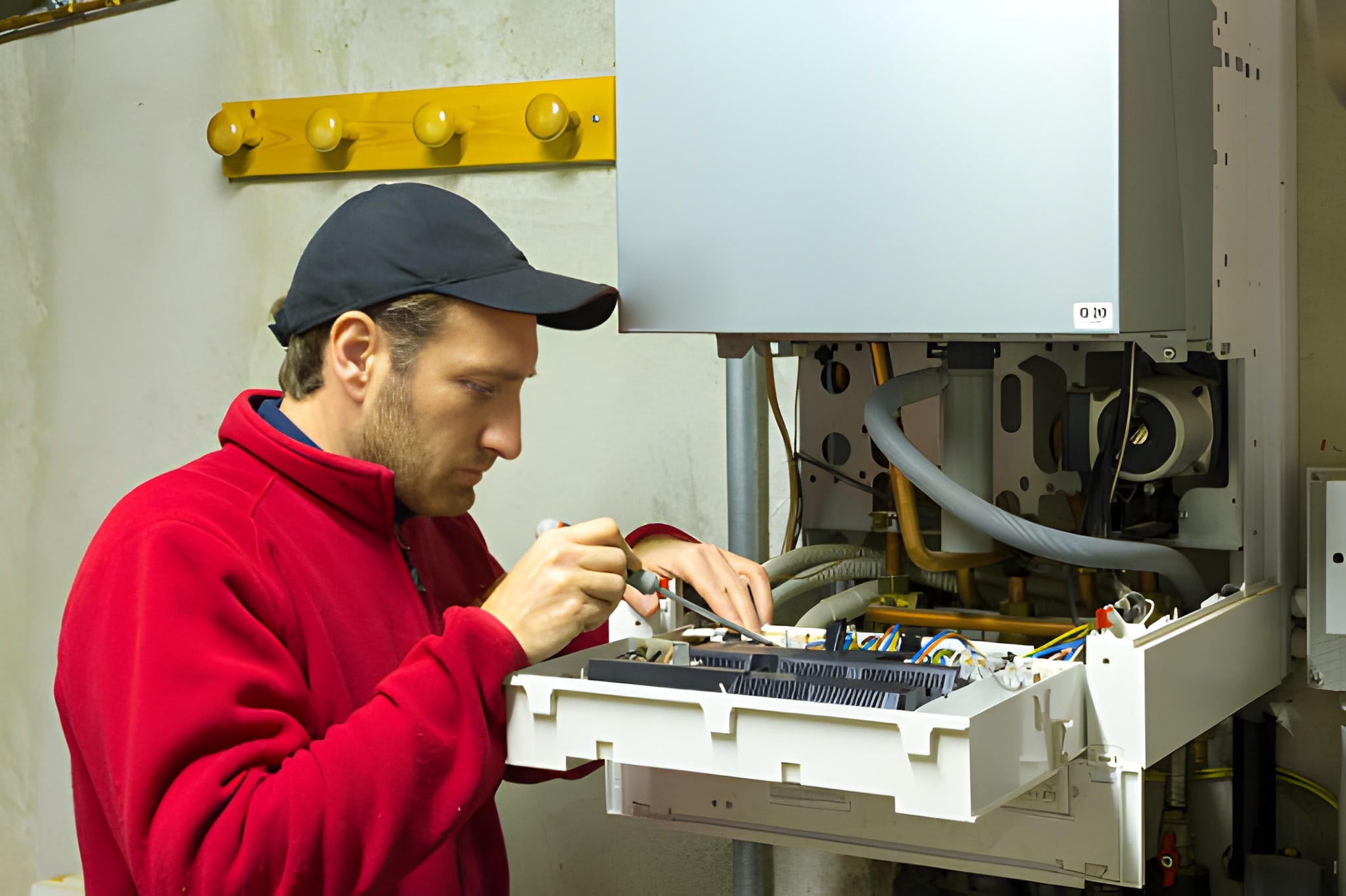
Our maintenance approach focuses on seasonal inspections, safety, and efficiency tuning so your furnace performs reliably when you need it most. Programs typically include:
- Seasonal inspection before heating season to catch issues early.
- Filter replacement or filtration checks to maintain airflow and indoor air quality.
- Safety checks including combustion, venting, and carbon monoxide risk assessments.
- Efficiency tuning such as burner cleaning, airflow optimization, and thermostat calibration.
- Checklist-driven service that documents every inspected component.
- Service plans or agreements that bundle routine visits, filter reminders, and priority scheduling.
- Easy online scheduling and reminders for upcoming seasonal appointments.
Each service visit is tailored to your furnace type and home needs, whether you have a high-efficiency condensing unit, a standard gas furnace, or an older legacy system common in some Palisades neighborhoods.
Common furnace maintenance issues in Palisades homes
Local climate and housing characteristics influence which problems show up most often. Typical issues we find in Palisades include:
- Clogged or dirty filters after wildfire smoke or high-dust spring conditions, reducing airflow and efficiency.
- Short cycling because of restricted airflow, a failing thermostat, or oversized equipment.
- Ignition and flame sensor problems that cause intermittent operation or reliance on manual resets.
- Reduced efficiency from dirty burners, soot, or a misaligned burner assembly.
- Duct leaks or poorly sealed returns in older homes that waste heat and increase run time.
- Wear on blower motors, belts, and bearings from heavy winter use.
- Venting or flue blockages that create safety hazards if not caught during inspection.
Understanding these common local issues helps prioritize inspections and preventative steps that keep heating systems safe and efficient.
What a seasonal furnace inspection includes
A thorough maintenance visit follows a consistent checklist so nothing is missed. Inspected and serviced components typically include:
- Air filter check and replacement if needed
- Thermostat function and calibration
- Burner and ignition system inspection and cleaning
- Flame sensor cleaning or adjustment
- Heat exchanger visual inspection for cracks or corrosion
- Blower motor, wheel, belts, and bearings inspection and lubrication
- Electrical connections, fuses, and control board checks
- Safety controls and limit switches testing
- Fuel supply and gas pressure checks for gas systems
- Flue and vent system inspection for blockage or corrosion
- Combustion or CO checks when applicable
- Airflow measurement and static pressure assessment
- Condensate trap and drain checks for high-efficiency units
- Ductwork spot checks for leaks and insulation issues
Technicians document findings and recommend only necessary repairs or adjustments, prioritizing safety and efficiency.
How we diagnose and tune your furnace for peak performance
The diagnostic and tuning process balances visual inspection with measured testing:
- Start with a system history and homeowner observations about noise, run times, or uneven heat.
- Run the furnace through a full operating cycle and observe startup, flame quality, and shutdown behavior.
- Test airflow and measure temperature rise across the heat exchanger to confirm proper heat transfer.
- Clean burners and flame sensors, then adjust combustion when safe and required.
- Tighten electrical connections, verify capacitor and motor condition, and lubricate moving parts.
- Confirm thermostat calibration and proper control logic.
- Perform safety checks including limit switch function and venting inspection.
- Provide an itemized report of findings and recommended next steps.
This process restores efficiency, reduces failure risk, and helps identify repair vs replacement decisions earlier.
Typical repairs and when replacement makes sense
Common repairs uncovered during maintenance are frequently simple and cost-effective:
- Filter replacement and duct sealing to restore airflow.
- Flame sensor cleaning or replacement.
- Blower motor or capacitor replacement for improved reliability.
- Ignition module or electronic control repairs to restore dependable starts.
- Minor venting repairs or chimney cleaning.
Replacement is recommended when a furnace has frequent major failures, a cracked heat exchanger, or when lifecycle economics favor a modern, high-efficiency unit. Routine maintenance extends equipment life and often delays the need for premature replacement.
Benefits of regular furnace maintenance in Palisades, WA
Keeping your furnace on a seasonal maintenance plan delivers measurable advantages for Palisades homeowners:
- Reliable heating during cold spells when you need it most.
- Lower energy bills from improved combustion and airflow efficiency.
- Extended equipment life through reduced wear and earlier detection of developing problems.
- Improved indoor air quality, important in areas affected by wildfire smoke or seasonal dust.
- Enhanced safety, including reduced carbon monoxide risk and safer venting.
- Predictable maintenance costs and documented service history that helps with resale value.
Service plans typically include two seasonal visits, filter reminders, documented checklists, and scheduling convenience so preventative care is simple to maintain.
Maintenance frequency and homeowner tips for Palisades
- Schedule a professional furnace tune-up once per year, ideally in early fall before the heating demand peaks.
- Change or check filters every 1 to 3 months; increase frequency after smoke events or during heavy pollen seasons.
- Keep intake and exhaust vents clear and maintain a 3-foot clearance around outdoor equipment.
- Seal visible duct leaks and insulate ducts in unconditioned spaces to reduce heat loss.
- Monitor for odd noises, increased cycling, or uneven heating and schedule an inspection if those symptoms appear.
Regular maintenance and simple homeowner precautions reduce emergency repairs and keep heating costs under control.