Furnace Maintenance in Dryden, WA

Scroll down to discover more
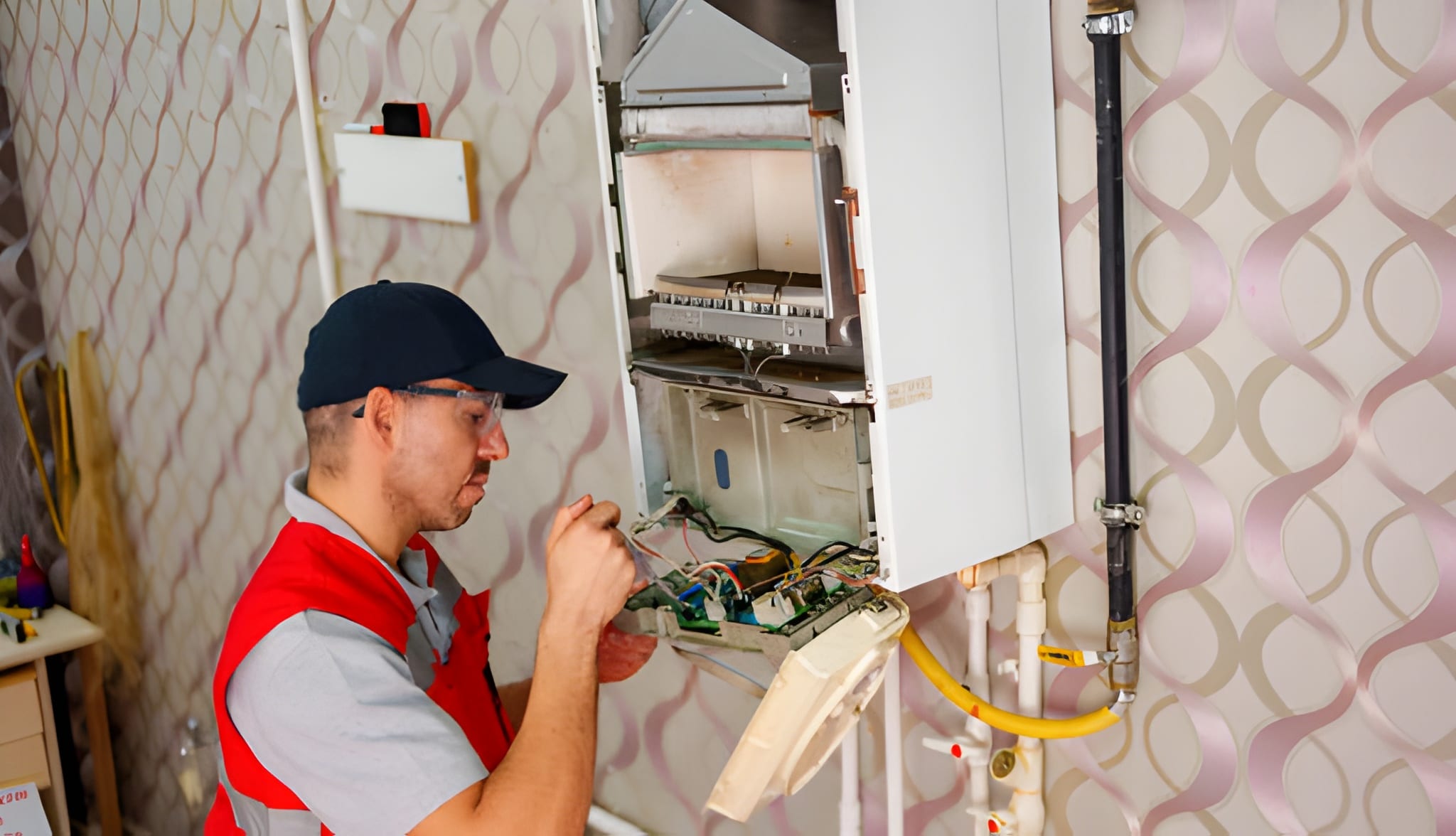
Furnace maintenance in Dryden, WA ensures safe, reliable heat through regular inspection, cleaning, testing, and adjustments. The service covers burners, heat exchangers, venting, electrical systems, and sensors, with emphasis on airflow, combustion efficiency, and safety controls. Regular scheduling reduces unexpected breakdowns, improves energy efficiency, and extends equipment life. A recommended plan includes annual tune-ups, filter replacements, carbon monoxide detector checks, and maintenance records to simplify future diagnostics while keeping your home comfortable during long winter seasons.
Furnace Maintenance in Dryden, WA
Keeping your furnace tuned and safe is essential in Dryden, WA, where cold winters and wide temperature swings put real demand on home heating systems. Proper seasonal and periodic furnace maintenance reduces breakdowns during the coldest days, improves energy efficiency, and extends equipment life.
Why furnace maintenance matters in Dryden, WA
Dryden experiences chilly winters and extended heating seasons compared with milder lowland areas. Furnaces run longer and more frequently, which increases wear on components and the chance of problems. Local factors that make regular maintenance especially important include:
- Seasonal dust and orchard-related particulate matter that clogs filters and reduces airflow.
- Long heating cycles that accelerate wear on motors, belts, and ignition components.
- Cold-start stress on heat exchangers and electrical controls after summer downtime.
Regular maintenance helps ensure reliable heat when you need it and can prevent expensive emergency repairs during freeze periods.
Common furnace problems in Dryden homes
Homeowners in this area regularly encounter these furnace issues:
- Dirty or clogged filters reducing airflow and causing uneven heating.
- Weak or inconsistent ignition and pilot problems after seasonal shutdown.
- Excess carbon buildup or inefficient combustion, often from restricted airflow.
- Blower motor wear, noisy operation, or failing bearings due to prolonged run times.
- Cracked or corroded heat exchanger from thermal stress, age, or poor combustion.
- Faulty thermostats, loose electrical connections, or control board errors.
- Venting or flue blockages caused by nests, debris, or winter weather.
Spotting and correcting these issues before peak winter demand keeps your home comfortable and safe.
What our seasonal and periodic furnace maintenance includes
A comprehensive furnace maintenance visit covers inspection, cleaning, testing, and basic service tasks that restore safe, efficient operation. Typical components of a full service:
- Visual inspection of the furnace cabinet, burners, heat exchanger, and venting.
- Cleaning of burners, combustion chamber, and accessible components to restore proper combustion.
- Filter check and replacement recommendations; installation of a new filter if part of your plan.
- Safety checks including flame sensor, limit switches, pressure switches, and carbon monoxide risk indicators.
- Combustion and draft analysis to verify safe fuel-to-air ratio where applicable.
- Electrical system inspection: tightness of connections, condition of wiring, and control board diagnostics.
- Blower assembly service: cleaning blower wheel, lubricating bearings if serviceable, and checking motor operation.
- Airflow and temperature rise testing to confirm proper heat transfer and duct performance.
- Thermostat calibration and sequence-of-operation check.
- Inspection and cleaning of the flue, vent connectors, and termination points for obstructions.
- Performance testing after service to confirm quiet, steady operation and expected efficiency.
All work is documented so you can see what was inspected, what was cleaned, and any recommended repairs or follow-up items.
Diagnostic process explained in plain language
A technician begins with a full visual and system-level assessment, then moves to targeted tests:
- Visual inspection catches rust, corrosion, or obvious damage.
- Airflow and temperature rise checks show whether the furnace is moving enough heated air into your home.
- Electrical tests ensure controls and safety circuits are functioning and not at risk of failure.
- Combustion testing (when applicable) measures efficiency and checks for incomplete combustion that can produce carbon monoxide.
- Component function tests confirm ignition reliability, blower motor health, and thermostat accuracy.
These steps identify root causes rather than guessing, which reduces repeat service visits and minimizes the chance of surprises during cold weather.
Recommended maintenance schedule
To get consistent performance in Dryden, follow a predictable schedule:
- Annual professional tune-up in early fall before the heavy heating season. This is the minimum for most systems.
- For older furnaces, high-use households, or systems in dusty/agricultural settings, consider semiannual service (fall and late winter) to catch seasonal wear.
- Replace disposable filters every 1 to 3 months depending on filter type and indoor air quality; higher MERV filters may need more frequent changes.
- Test carbon monoxide detectors monthly and replace detector units per manufacturer recommendations.
Maintaining records of service visits helps preserve manufacturers warranties and simplifies future diagnostics.
Benefits of regular furnace maintenance
Consistent maintenance delivers measurable value:
- Fewer emergency breakdowns during freezing weather and reduced risk of no-heat calls.
- Improved energy efficiency and lower heating bills because the system runs at design performance.
- Longer equipment life and delayed need for costly replacement.
- Safer operation through verified combustion, venting, and safety control performance.
- More comfortable, consistent indoor temperatures and better indoor air quality.
For many homeowners in Dryden, the combined savings from reduced repairs and improved efficiency offset the cost of routine maintenance over time.
Maintenance plans and service agreements (what they typically include)
Standard maintenance agreements often provide predictable seasonal service and benefits such as:
- Scheduled annual or semiannual tune-ups timed to protect your heating season.
- Priority appointment scheduling during peak periods.
- Reminder notifications for filter changes and upcoming visits.
- Standardized inspection and cleaning included in each visit.
- Transparent documentation of findings and recommended repairs.
These plans make it easier to keep a consistent maintenance cadence without tracking dates manually.
Simple homeowner maintenance tips between visits
Keeping your furnace healthy between professional visits is straightforward:
- Change or inspect filters monthly; use a filter rated for your system and indoor air needs.
- Keep the furnace area clear of storage and debris to maintain airflow and safety.
- Ensure supply registers and return grilles are unobstructed for even heating.
- Check thermostat batteries and basic settings before the heating season.
- Test carbon monoxide detectors and replace batteries as needed.
Small steps by you can reduce strain on the system and make professional tune-ups more effective.