Furnace Maintenance in Crescent Bar, WA

Scroll down to discover more
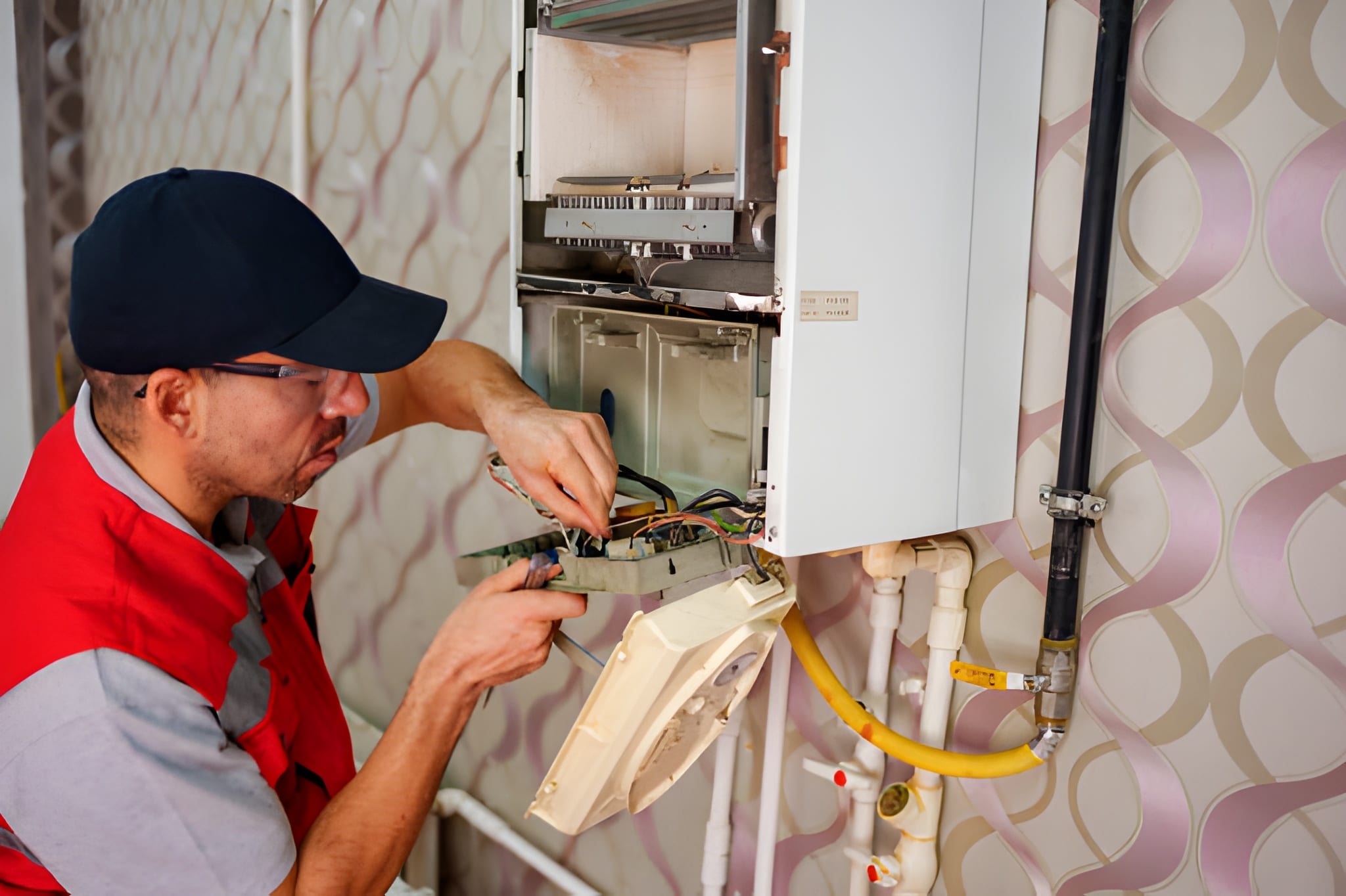
Furnace maintenance program for Crescent Bar homes outlines diagnostic checks, tune ups, and preventive schedules designed to prevent breakdowns and improve efficiency. It covers local concerns such as wildfire smoke, seasonal dust, and variable occupancy, plus essential steps from safety inspections to CO testing, airflow verification, and performance benchmarks. A practical homeowner checklist, service agreement components, and scheduling guidance help ensure safer operation, lower energy costs, and longer equipment life.
Furnace Maintenance in Crescent Bar, WA
Keeping your furnace in top condition is essential for safe, reliable heat, lower energy bills, and longer equipment life. In Crescent Bar, WA, where homes face dry, dusty summers, wildfire smoke, and freezing winter nights along the Columbia River, a targeted furnace maintenance plan prevents breakdowns during the cold season and protects indoor air quality in vacation and year-round residences.
Why seasonal furnace maintenance matters in Crescent Bar
- Local air quality: Wildfire smoke and seasonal dust increase filter loading and can coat heat exchanger and burner assemblies, reducing efficiency and heightening service needs.
- Temperature swings: Cold winters and intermittent occupancy in many Crescent Bar properties increase the risk of freeze-related issues and require pre-winter readiness checks.
- Vacation and second homes: Furnaces left idle for long periods need thorough inspections before being run under load to avoid failures or safety hazards.
- Energy and cost control: Proper tuning reduces fuel use and keeps rising winter energy bills in check by ensuring efficient combustion and airflow.
Common furnace problems in Crescent Bar homes
- Dirty or overloaded filters from smoke, ash, and dust causing reduced airflow and short cycling
- Incomplete combustion, clogged burners, or sooted flues that reduce efficiency and can create safety risks
- Faulty ignition or pilot systems after long idle periods
- Worn blower motors, belts, or bearings that reduce airflow and increase noise
- Heat exchanger cracks or corrosion from age and thermal stress, creating carbon monoxide risk
- Thermostat miscalibration causing uneven heating or excessive cycling
- Duct leaks and poor insulation raising energy loss in older vacation-style or seasonal homes
What a comprehensive furnace maintenance program includes
A full preventive maintenance visit should be more than a quick filter change. Key components of a thorough service include:
- Visual and safety inspection
- Check for unusual smells, soot, rust, or visible heat exchanger damage
- Inspect venting and flue for obstructions, animal nests, corrosion, or loose connections
- Test safety controls and limit switches
- Combustion and efficiency checks
- Verify proper ignition and combustion using safe testing methods
- Measure combustion gases where applicable to confirm efficient fuel burn
- Adjust burner settings and gas pressure to optimize efficiency
- Airflow and heat delivery testing
- Measure temperature rise across the heat exchanger to ensure proper heat transfer
- Check static pressure and airflow patterns; clean or realign blower components if needed
- Inspect duct connections for obvious leaks or disconnections
- Electrical and control checks
- Tighten electrical connections and test motor amperage
- Verify control board and thermostat communication and calibrate thermostat settings
- Cleaning and preventative replacements
- Clean burners, flame sensors, and accessible heat exchanger surfaces
- Remove dust and debris from cabinet, blower assembly, and intake areas
- Replace or recommend the right filter type and size for local conditions
- Carbon monoxide and safety verification
- Perform CO testing at the furnace and in living spaces as applicable
- Confirm proper draft and venting to reduce CO risk
- Documentation and recommendations
- Provide a written checklist of completed tasks, observed conditions, and recommended follow ups or parts replacements
- Note any items that require monitoring or immediate attention
Efficiency tuning and performance testing explained
Efficiency tuning is practical, measurable work that reduces fuel use and improves comfort:
- Burner adjustments and fuel pressure calibration improve how completely the fuel burns, improving AFUE in gas or propane furnaces.
- Optimizing blower speeds and verifying motor health ensures correct air volume, which prevents short cycling and improves temperature balance.
- A temperature rise test (measuring air inlet and outlet temps) reveals whether the furnace is moving heat effectively and highlights airflow restrictions.
- Post-service performance verification records baseline readings for future comparisons and helps decide if further repairs or a replacement make sense.
Recommended maintenance schedules and agreement components
Recommended schedules for Crescent Bar conditions:
- Filter checks: monthly during wildfire or dusty seasons, otherwise every 1 to 3 months based on filter type and occupancy.
- Full preventive maintenance: once per year before the heating season (September to October recommended). For high-use, older, or second homes, consider an additional mid-winter inspection.
- Safety checks: at every service visit, plus anytime you suspect unusual odors, noises, or symptoms.
Typical maintenance agreement features homeowners should expect:
- Annual pre-season inspection and prioritized scheduling
- Scheduled filter delivery or reminders if desired
- Discounts on diagnostic fees and parts for covered systems
- Detailed service reports and maintenance history tracking
- Optional seasonal checks for vacation or rental properties
These elements reduce emergency calls, protect equipment warranties, and create a documented history that can be valuable when selling or replacing equipment.
Practical homeowner checklist for Crescent Bar
- Inspect and replace or clean furnace filters monthly during smoke or dust events
- Schedule an annual pre-winter inspection and tune up that includes combustion, CO testing, and airflow measurement
- Before returning to a seasonal home, run a functional check or have a technician verify ignition, venting, and CO safety
- Note persistent issues like strange odors, soot, frequent cycling, or unexplained spikes in energy use and include them in your service report
- Consider upgrading to a higher efficiency filter during wildfire seasons but confirm it will not overly restrict airflow for your furnace
How to schedule and prepare for preventive maintenance
When planning preventive maintenance, pick a pre-season window (September to October) so the unit is optimized before sustained cold. Prepare by noting recent symptoms, the furnace age, filter type in use, and how frequently the home is occupied. On the day of service, ensure the furnace area is accessible and provide any background on seasonal occupancy or known issues. Expect a written service checklist after the visit that documents measurements, adjustments made, and recommended next steps.
Regular, targeted furnace maintenance in Crescent Bar translates directly into safer operation, lower heating costs, and fewer emergency repairs. For homes affected by wildfire smoke, variable occupancy, or winter freeze risks, a documented maintenance plan is one of the most cost effective ways to protect both comfort and equipment life.