Emergency AC Repair in Palisades, WA

Scroll down to discover more
Emergency AC repair in Palisades, WA explains 24/7 service, on-site diagnostics, and rapid stabilization to protect comfort and the home during extreme heat. The guide covers common emergency scenarios, what technicians check during safety inspections, the differences between temporary fixes and full repairs, and how response times and scheduling work. It also outlines safety protocols, warranties, and practical tips to reduce future breakdowns, so homeowners can make informed decisions when time matters most during peak heat events.
Emergency AC Repair in Palisades, WA
When your air conditioning fails during a heat wave in Palisades, WA, you need reliable, fast emergency AC repair to protect your comfort and your home. Palisades experiences hot, dry summers and occasional heat spikes that can overload systems, while spring pollen and dust can clog components.
Why emergency AC repair matters in Palisades, WA
- Hot summer days and heat waves in central Washington push aging units beyond their limits, increasing the risk of compressor failure or complete system shutdown.
- Dust, pollen, and irrigation-related mineral deposits can reduce airflow and heat-exchanger efficiency, causing rapid deterioration if not addressed.
- Quick action prevents secondary damage like frozen coils, motor burnout, electrical hazards, and moisture-related problems inside the home.
Common emergency AC repair scenarios in Palisades, WA
- Complete system failure: The system does not turn on or suddenly stops working during peak heat.
- Compressor failure: Loud noises, tripped breakers, or no cooling despite airflow often indicate compressor issues.
- Refrigerant leaks: A drop in cooling performance plus hissing sounds or ice on the evaporator coil may signal a leak.
- Sudden loss of cooling during heat waves: Overloaded systems, failed capacitors, or control board faults can cause abrupt cooling loss.
- Electrical faults: Repeated breaker trips, burning smells, or visual damage to wiring require immediate attention for safety.
Rapid-response procedures for emergency AC calls
- Triage over the phone: When you request emergency service, you will be asked for symptoms, system make and model if available, and the unit location. This helps prioritize the correct technician and parts.
- Dispatch and ETA: A technician is dispatched with basic replacement parts and diagnostic tools. In Palisades, typical emergency response windows vary with local traffic and distance from service hubs; expect a prioritized response for heat-related emergencies.
- Initial on-site safety check: The technician performs a visual inspection for electrical hazards, refrigerant signs, and obvious damage before any diagnostic testing to protect people and property.
On-site diagnostics and troubleshooting
- Power and control checks: Verifying thermostat settings, breakers, fuses, capacitors, and control board signals is the first step.
- Airflow assessment: Filters, return vents, blower motor function, and duct restrictions are evaluated to identify airflow-related failures.
- Refrigeration system checks: Pressure testing and leak detection identify refrigerant problems. Technicians look for oil stains, bubble tests, or electronic leak detectors.
- Electrical and mechanical inspection: Motors, compressors, contactors, and capacitors are tested to locate failing components.
Temporary fixes versus full repairs
- Temporary stabilization: When immediate full repair is not possible, technicians can implement temporary measures to restore cooling or prevent further damage. Examples include resetting breakers, replacing a failed capacitor, securing a loose connection, or isolating a leaking section to preserve refrigerant.
- Full repair options: Full-service repairs address root causes—compressor replacement, sealed-system repairs for refrigerant leaks, control board replacement, or full system swap when repairs are no longer cost effective.
- Decision guidance: Technicians explain the short-term benefits and long-term implications of temporary fixes versus complete repairs so you can make an informed choice.
What to expect from emergency service policies
- Clear estimate before work: Emergency calls should include a written explanation of recommended repairs and the expected scope of work before major repairs proceed.
- Priority handling for heat-related emergencies: During local heat waves, emergency AC requests are triaged to prioritize health and safety concerns.
- Parts and logistics: Some complex repairs require ordering specialized parts. Technicians will explain interim measures to protect the system until parts arrive.
Safety and COVID-era protocols
- Technician safety checks: Technicians perform initial risk assessments for electrical and refrigerant hazards before working.
- COVID-era practices: Modern emergency service protocols include face coverings when required by local guidance, maintaining physical distance where possible, and minimizing time inside occupied spaces through efficient diagnosis and communication.
- Homeowner precautions: When possible, clear access to the indoor and outdoor units, open pathways, and provide information on household systems to expedite safe repairs.
Warranty and satisfaction-guarantee information
- Workmanship and part coverage: Reputable emergency AC repair services typically offer warranties on parts replaced and workmanship. Confirm the length and scope of any warranty documentation provided with the repair.
- Satisfaction guarantee: A professional provider will address follow-up concerns and stand behind emergency repairs to ensure the system is returning to expected performance and safety standards.
Expected response times and request guidelines
- Typical response times: In Palisades, response times vary by time of day and service demand. Emergency service providers aim to prioritize heat-related calls and commonly reach most homes within a short, prioritized window. Exact timing depends on distance, traffic, and current workload.
- How to prepare when requesting emergency service:
- Have your address, unit make and model, and a description of symptoms ready.
- Note any safety issues such as unusual smells, sparks, or visible damage.
- Clear access to indoor and outdoor units and secure pets.
- If possible, turn off the system at the thermostat and main breaker to prevent further damage while awaiting arrival.
Tips to prevent future breakdowns in Palisades, WA
- Regular seasonal maintenance: Schedule professional tune-ups before the cooling season to check refrigerant levels, motors, and controls.
- Change filters frequently: In dusty, dry climates, change or clean filters every 1 to 3 months to maintain airflow.
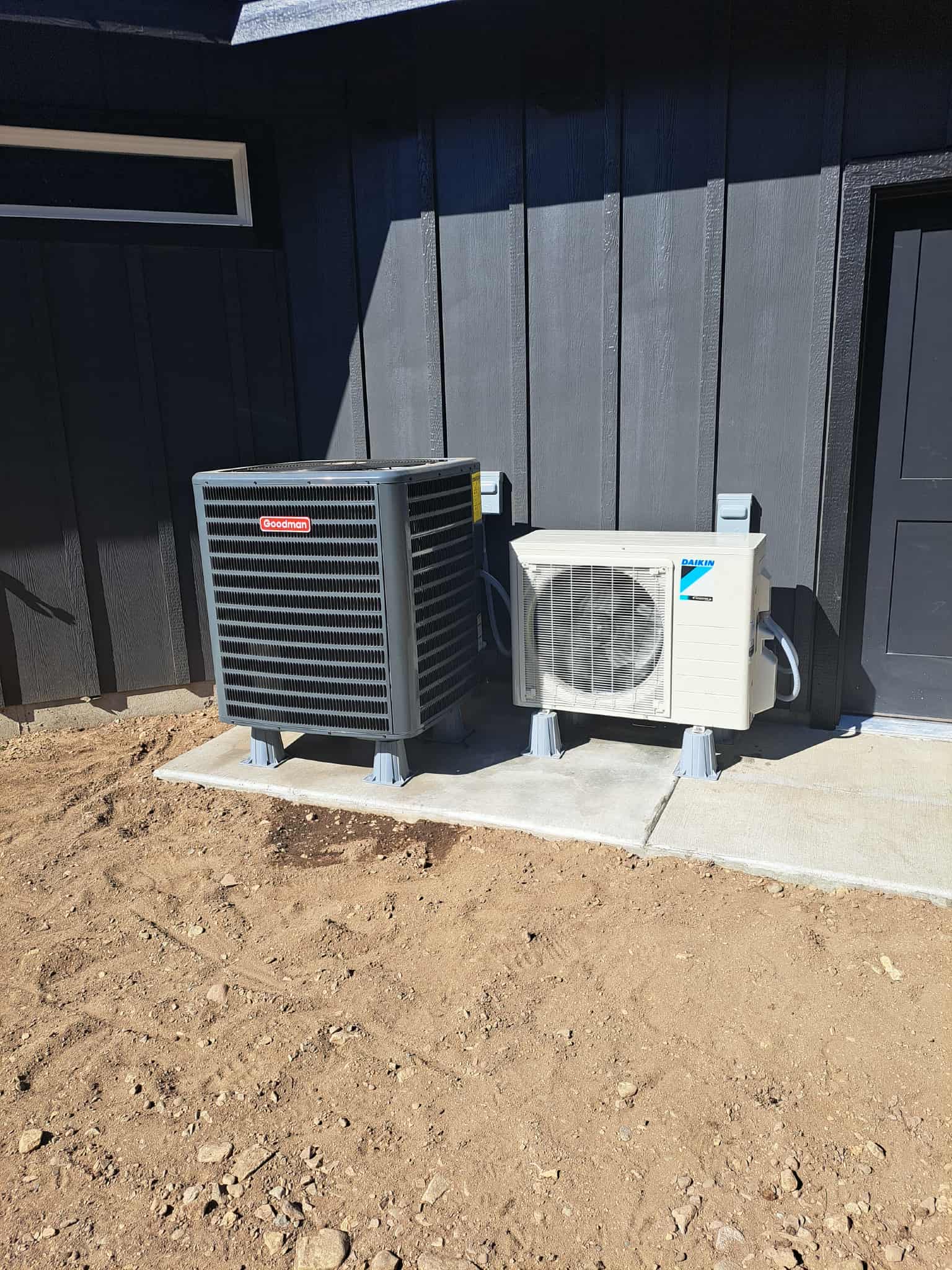
- Keep the outdoor unit clear: Remove vegetation, debris, and dust buildup around the condenser to improve heat exchange.
- Install surge protection: Electrical surges can damage control boards and compressors during storms or power fluctuations.
- Pre-heat-wave inspection: Have a professional inspect older systems before extended heat events to reduce emergency risk.
Scheduling emergency or maintenance appointments
- When arranging service, gather system details, your location, and availability windows so technicians can prepare the correct parts and equipment. For planned maintenance, schedule in the cooler months to avoid peak emergency demand during heat waves.
Fast, informed emergency AC repair minimizes discomfort and protects your equipment. In Palisades, WA, prompt attention during heat events safeguards health and prevents more costly damage. Knowing what to expect from diagnostics, temporary stabilization, and full repairs helps you make confident decisions when time matters most.