AC Tune-Up in Wenatchee Heights, WA

Scroll down to discover more
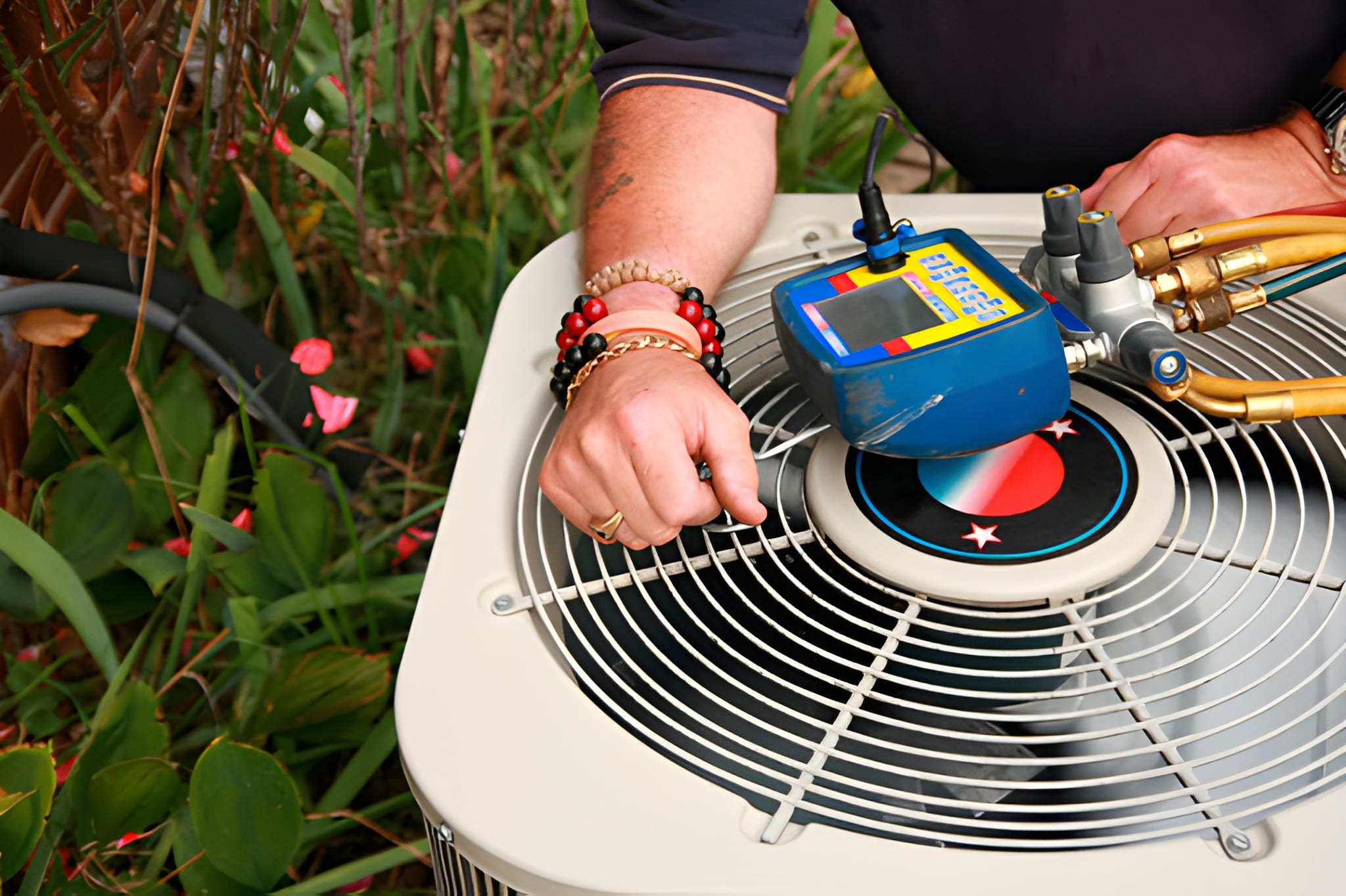
AC Tune-Up in Wenatchee Heights, WA explains a professional seasonal service designed to prevent breakdowns, improve comfort, and boost efficiency. Technicians inspect and clean components, including filters, coils, blower belts, and ducts, calibrate thermostats, test refrigerant levels, and verify electrical connections. The guide outlines diagnostic steps used to identify performance issues and determine whether cleaning, adjustments, or minor repairs are needed. It highlights expected outcomes, ongoing maintenance benefits, recommended frequency, and what customers should expect when scheduling service in Wenatchee Heights.
AC Tune-Up in Wenatchee Heights, WA
Keeping your air conditioning tuned and ready is essential in Wenatchee Heights, where hot, dry summers and occasional wildfire smoke put extra strain on cooling systems. A seasonal AC tune-up reduces the chance of mid-summer breakdowns, improves comfort and energy efficiency, and helps protect indoor air quality for families in the area.
Common AC problems in Wenatchee Heights homes
- Dirty or clogged air filters from dust, pollen, and wildfire smoke, leading to reduced airflow and indoor air quality problems.
- Reduced cooling capacity during heat waves due to dirty coils, low refrigerant, or failing electrical components.
- Short cycling or uneven cooling caused by thermostat calibration issues or airflow restrictions.
- Outdoor unit obstruction or debris buildup, limiting heat transfer and efficiency.
- Wear on moving parts like blower motors, bearings, and fan blades from high seasonal use.
What a seasonal AC tune-up includes
A comprehensive tune-up follows a structured checklist to identify and correct issues before they become failures. Key items typically covered:
- Filter inspection and replacement or cleaning
- Verify filter type and condition; replace disposable filters or clean reusable ones. Clean filters restore airflow and reduce strain on the system.
- Evaporator and condenser coil cleaning
- Remove dust and grime from indoor evaporator coils and outdoor condenser coils to improve heat exchange and restore efficiency.
- Thermostat check and calibration
- Test thermostat accuracy, program settings, and thermostat wiring. Calibrating ensures the system cycles correctly and maintains set temperatures.
- Refrigerant level check
- Measure refrigerant pressures to confirm proper charge. Low refrigerant often indicates a leak that needs diagnosis and repair by a certified technician.
- Lubrication of motors and moving parts
- Lubricate blower bearings and fan motors where applicable to reduce friction and wear.
- Safety and electrical inspections
- Inspect contactors, capacitors, relays, fuses, wiring connections, and breakers. Tighten connections and test safety controls to reduce fire risks and avoid unexpected failures.
- Blower assembly and airflow verification
- Measure static pressure and airflow, inspect the blower wheel for dirt buildup, and check duct registers for obstructions.
- System performance test
- Run a full cooling cycle, measure temperature split, and verify the system reaches and holds the set temperature efficiently.
How technicians diagnose issues
Technicians follow a logical diagnostic workflow during a tune-up:
- Visual inspection of outdoor and indoor units for debris, rust, or signs of leaks.
- Confirm filter condition and airflow at the return and registers.
- Measure electrical values at contactors, motors, and capacitors to find weak components.
- Record refrigerant pressures and temperatures to identify undercharge or overcharge conditions.
- Test thermostat operation and control signals to the outdoor unit.
- Run the system while taking temperature and amperage readings to calculate efficiency and spot abnormal loads.
Diagnostic findings determine whether adjustments, cleaning, minor repairs, or further service like leak repair or replacement parts are needed.
Repairs and solutions you can expect after a tune-up
- Minor repairs performed on site: tightening electrical connections, replacing capacitors or contactors, cleaning coils, clearing drain lines, and adjusting blower speed.
- Refrigerant issues: if low refrigerant is found, technicians will locate and repair leaks before recharging. Refrigerant handling requires certified technicians and follows regulatory standards.
- Component replacements: worn belts, failed capacitors, or bad motors may be recommended for replacement to avoid imminent failure.
- Repair vs replacement guidance: technicians will explain whether repairing an older system is cost-effective or if replacement is a better long-term investment based on age, repair history, and seasonal performance.
Benefits of regular AC tune-ups for Wenatchee Heights homes
- Improved energy efficiency and lower cooling costs: clean coils and proper refrigerant levels reduce runtime and energy use.
- Fewer unexpected breakdowns during extreme heat: proactive inspections catch weakening components before they fail.
- Longer equipment life: routine lubrication and cleaning reduce wear and extend the useful life of the system.
- Better indoor air quality: fresh filters and clean coils reduce particulates and allergens circulating in the home—especially important during local wildfire events.
- Safety and warranty protection: documented maintenance may be required to keep manufacturer warranties valid and reduces electrical and mechanical safety risks.
Recommended frequency and simple maintenance tips
- Schedule a professional AC tune-up annually before the cooling season. For homes that see heavy summer use, wildfire smoke exposure, or older equipment, consider twice-yearly inspections (spring and late summer).
- Change disposable filters every 1 to 3 months during high-use periods; check reusable filters monthly.
- Keep at least 2 feet of clearance around the outdoor condenser unit and remove leaves, grass clippings, or dust build-up.
- Use shade or landscaping strategically to reduce direct sun on the outdoor unit, helping efficiency during peak heat.
- Seal and insulate ducts where accessible and ensure vents are open and unobstructed for balanced airflow.
What to expect when scheduling service in Wenatchee Heights
Local HVAC providers typically offer seasonal maintenance slots keyed to the spring cooling season. Appointments usually include a pre-visit review of system age and prior service history, a focused tune-up checklist, and a post-service summary outlining findings and recommended follow-up. Technicians in the Wenatchee Heights area understand local conditions such as dry summers and periodic wildfire smoke and will adjust filter and airflow recommendations accordingly.
Regular professional tune-ups are a practical, cost-effective way to keep your AC running reliably through Wenatchee Heights heat. Routine maintenance minimizes downtime, improves comfort, and protects the investment in your home cooling system.