
AC Tune-Up in Terrace Park, WA

Scroll down to discover more
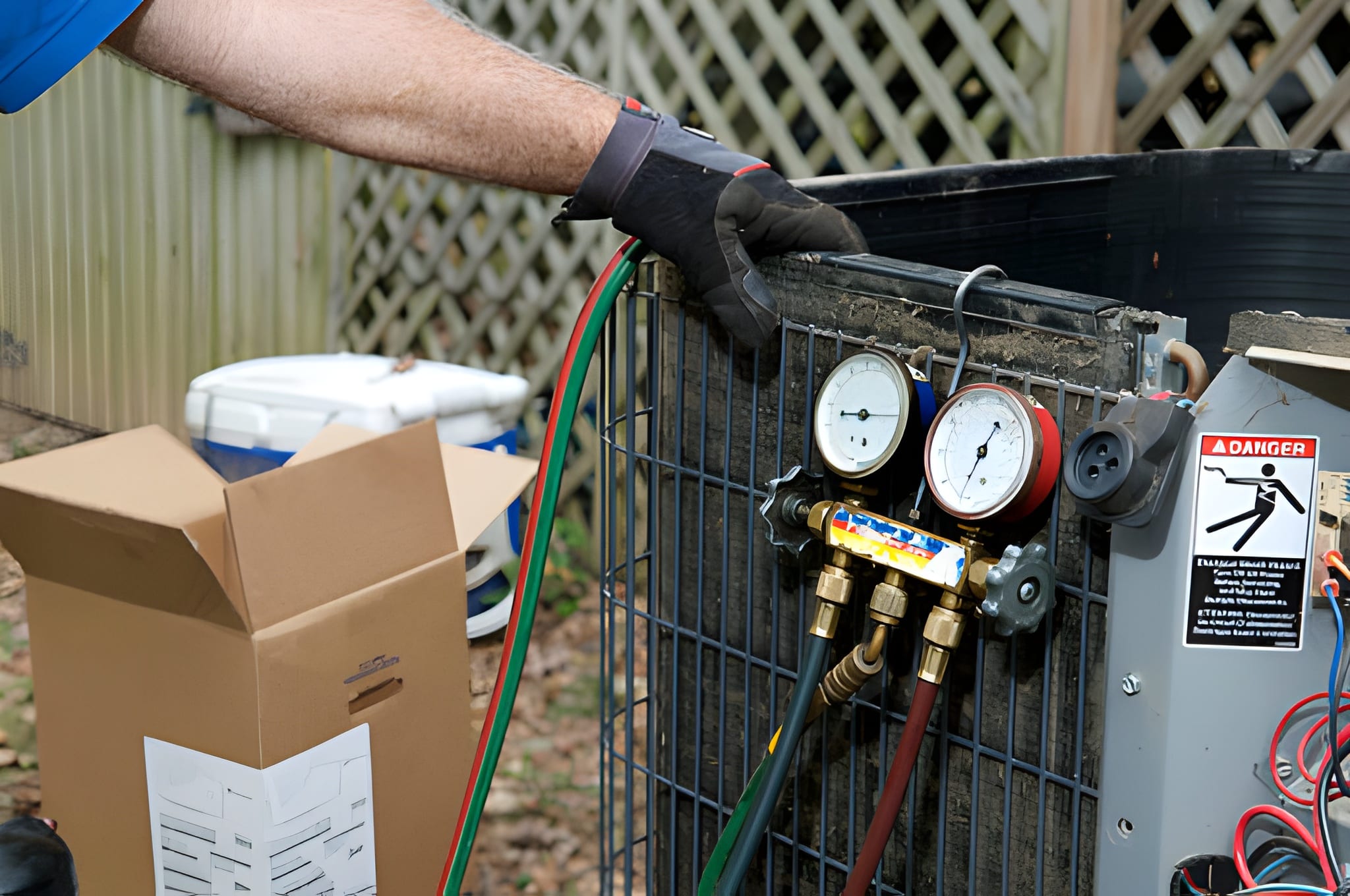
AC tune-ups in Terrace Park, WA provide dependable cooling by thoroughly inspecting, cleaning, and testing system performance. A routine visit typically lasts 60 to 90 minutes and covers filter care, thermostat calibration, coil cleaning, drain checks, refrigerant verification, electrical inspections, lubrication, airflow measurements, safety checks, and a detailed workmanship summary. Regular maintenance reduces energy use, minimizes emergency repairs, extends equipment life, and improves indoor comfort. Homeowners should expect clear recommendations, written documentation, and transparent pricing before any repairs are approved.
AC Tune-Up in Terrace Park, WA
A professional AC tune-up in Terrace Park, WA keeps your air conditioner running reliably through the region's warm months while reducing energy use and preventing midseason breakdowns. Whether your home faces seasonal pollen, summer humidity, or heavy-use cooling during heat spells, a thorough tune-up identifies small problems before they become costly failures and restores peak performance to your system.
Why a tune-up matters for Terrace Park homes
Terrace Park sits in the Pacific Northwest climate zone where spring pollen, summer heat, and persistent moisture can combine to stress cooling equipment. Typical local issues include clogged filters from tree pollen, condensate drain blockages from organic debris, and corrosion or electrical wear caused by damp air. An annual AC tune-up addresses these local stressors and delivers measurable benefits:
- Improved cooling efficiency and lower energy bills
- Fewer emergency repairs during hot spells
- More consistent indoor comfort and better humidity control
- Longer equipment life and preserved manufacturer warranties
- Better indoor air quality through clean filters and coils
What a typical AC tune-up visit includes
A full tune-up is a systematic inspection, cleaning, and performance test. Visits are typically 60 to 90 minutes for standard split systems. Technicians follow a checklist to ensure every major component is examined and optimized. Core tune-up tasks include:
- Filter inspection and replacement
Check, clean, or replace disposable or reusable filters to ensure proper airflow and indoor air quality. - Thermostat calibration and verification
Confirm the thermostat reads and controls temperature accurately; inspect settings for optimal cooling cycles. - Cleaning condenser and evaporator coils
Remove dirt, pollen, and residue from outdoor condenser coils and indoor evaporator coils to restore heat transfer efficiency. - Clearing and testing condensate drains
Flush drain lines and check drain pan condition to prevent backups and moisture damage. - Refrigerant charge check
Measure pressures and temperatures to verify proper refrigerant levels; diagnose signs of leaks or inefficient charge. - Electrical inspection
Tighten and inspect wiring, contactors, capacitors, and fuses to prevent failures and address overheating or arcing hazards. - Moving parts and lubrication
Inspect blower motor, fan, belts, and bearings; lubricate where required to reduce wear and noise. - Performance testing and airflow measurement
Record temperature split across evaporator coil, measure airflow, and verify system cycles properly under load. - System safety checks
Test safety switches and controls, confirm proper sequence of operation, and identify any hazards. - Detailed checklist and notes
Provide a documented list of items inspected, measurements taken, and recommended repairs or improvements.
Common AC problems found during tune-ups in Terrace Park
During local tune-ups, technicians often find issues that reduce performance or risk failure:
- Clogged or dirty filters restricting airflow
- Dirty condenser coils from pollen and debris
- Blocked condensate drains causing water damage or microbial growth
- Low refrigerant charge indicating potential leaks
- Worn capacitors or failing contactors causing hard starts
- Imbalanced airflow from duct leaks or obstructed returns
- Improper thermostat settings or poor placement leading to short cycling
Understanding these common findings helps homeowners prioritize preventive maintenance and budget for repairs before the hottest days arrive.
How problems are diagnosed and fixed
Technicians combine visual inspection with diagnostic tools—temperature probes, pressure gauges, amperage meters, and airflow measurements—to pinpoint root causes. When a problem requires repair beyond routine maintenance, the typical process is:
- Document the issue and diagnostic readings.
- Explain the cause and the repair options in plain language.
- Present recommended repairs along with what to expect for performance and lifespan.
- Proceed with agreed repairs and re-test system performance after work is complete.
This approach ensures repairs are targeted and transparent and that the system returns to safe, efficient operation.
What homeowners should expect on tune-up day
A professional tune-up visit is organized and minimally disruptive. Typical expectations:
- A single qualified technician will arrive within a confirmed service window.
- The technician will perform the checklist, explain observations, and leave a written summary of work performed.
- If repairs are needed, homeowners receive repair recommendations and rationale; repairs proceed only after approval.
- Most standard tune-ups do not require major parts replacement; when parts are needed, the technician will explain options for reliability and efficiency.
Before the visit, clear around the outdoor unit, make sure access to the indoor air handler is unobstructed, and note any specific comfort issues to share with the technician.
Frequency and timing recommendations for Terrace Park
- Annual tune-up: Recommended before the cooling season (spring) to prepare the system for summer use.
- Older systems or heavy-use homes: Consider semiannual checks to monitor wear and address seasonal humidity impacts.
- After storm or pollen-heavy seasons: Schedule inspection if outdoor debris or excessive pollen exposure has occurred.
Consistent annual maintenance is the most cost-effective way to prevent unexpected failures and maintain efficiency.
Maintenance checklist (what a tune-up covers)
- Replace or clean air filters
- Inspect and calibrate thermostat
- Clean outdoor condenser coil
- Clean indoor evaporator coil if accessible
- Check and flush condensate drain
- Measure refrigerant pressures and check for leaks
- Inspect and tighten electrical connections
- Test capacitors, contactors, and relays
- Inspect blower motor and wheel; lubricate where applicable
- Measure airflow and temperature split
- Test compressor and outdoor fan operation
- Verify correct safety control operation
- Provide written summary and recommendations
Long-term benefits of regular tune-ups
Regular AC maintenance in Terrace Park reduces utility costs, minimizes downtime, and preserves indoor comfort when you need it most. Over time, well-maintained systems deliver steadier performance, avoid expensive emergency repairs, and can stay efficient longer—helping to protect your cooling investment and home comfort.
How to book a service
Booking an AC tune-up typically involves selecting a preferred appointment window through the provider’s maintenance scheduling option or requesting a maintenance appointment online. After scheduling, homeowners usually receive an appointment confirmation and an arrival window. On arrival, the technician completes the inspection and provides a documented report of findings and any recommended repairs or replacements for consideration.
Regular seasonal tune-ups tailored to Terrace Park conditions help ensure reliable cooling, better indoor air quality, and peace of mind during warm weather.