AC Tune-Up in Sunnyslope, WA

Scroll down to discover more
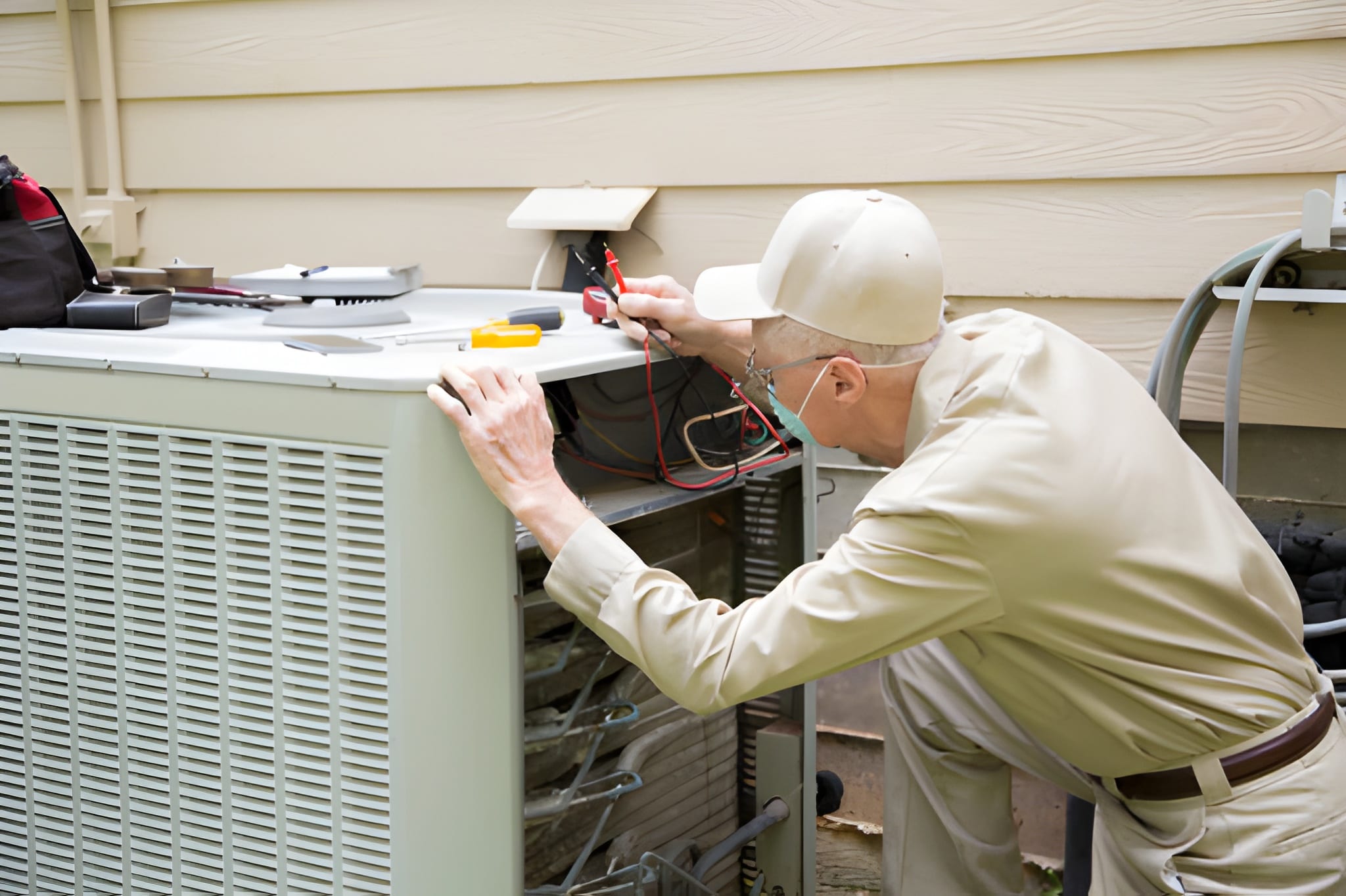
AC tune-ups in Sunnyslope, WA offer proactive inspection, cleaning, and performance checks to prevent mid-season breakdowns and improve efficiency. This service addresses common local issues such as dusty coils, restricted airflow, and refrigerant leaks, then outlines a comprehensive inspection protocol—from coil cleaning and filter replacement to refrigerant checks and safety testing. Typical visits last about an hour, with duration influenced by system size and accessibility. Regular maintenance yields energy savings, smoother operation, longer equipment life, and better indoor comfort for Sunnyslope homes.
AC Tune-Up in Sunnyslope, WA
Keeping your air conditioner running reliably through Sunnyslope summers depends on proactive maintenance. An AC tune-up is a focused inspection and service visit that identifies small problems before they become emergency breakdowns, restores peak efficiency, and improves comfort when temperatures rise. In Sunnyslope, WA, where hot, dry summers increase run time and seasonal dust and orchard pollen can foul coils and filters, a comprehensive tune-up is especially valuable for reducing energy use and avoiding mid-season failures.
Common AC issues in Sunnyslope homes
- Dirty evaporator and condenser coils from dusty, arid conditions and nearby agricultural activity, which reduce heat transfer and increase run time.
- Clogged filters and restricted airflow from spring pollen and summer dust, causing reduced cooling capacity and frozen coils.
- Low refrigerant levels due to small leaks that cause longer run times, higher electric use, and insufficient cooling.
- Worn electrical components (capacitors, contactors) from frequent cycling during hot spells.
- Thermostat miscalibration or placement issues that lead to uneven comfort or short cycling.
- Condensate drain clogs and overflow risk during peak humidity events or when debris accumulates.
What a comprehensive AC tune-up covers
A full AC tune-up in Sunnyslope includes a systematic inspection, cleaning, and performance check. Typical tasks performed by a trained technician include:
- Visual system assessment
- Inspect outdoor unit and indoor air handler for physical damage, debris, and proper clearances.
- Check ducts, registers, and accessible insulation for obvious leaks or blockages.
- Air filter inspection and replacement recommendations
- Check filter type and condition; recommend replacement or upgrade to a MERV level appropriate for home needs.
- Coil cleaning
- Clean evaporator and condenser coils to restore efficient heat transfer and improve cooling capacity.
- Remove built-up dirt, pollen, and debris that impede airflow.
- Refrigerant check
- Measure refrigerant pressure to verify correct charge.
- Identify signs of leaks and recommend leak testing or repairs if charge is low.
- Electrical safety and connections
- Tighten terminal connections, inspect wiring, and test capacitors and contactors for wear.
- Verify safe operation of disconnects and breakers related to the HVAC circuit.
- Motor and blower inspection
- Check blower motor and fan operation, measure airflow, and clean blower components as needed.
- Thermostat calibration and controls
- Verify thermostat accuracy, check settings and cycles, and ensure proper communication with the system.
- Condensate drain and pan inspection
- Clear clogs, check for proper draining slope, and ensure no standing water or mold growth.
- Performance testing
- Measure supply and return temperatures, calculate temperature split, and verify system is meeting expected performance.
- Listen for abnormal noises and note vibration or balancing issues.
- Safety controls and startup/shutdown testing
- Verify safety switches, limit controls, and compressor start/stop behavior.
- Written service summary
- Provide a concise report of findings, any recommended repairs, and expected benefits from performed maintenance.
Typical duration and what affects inspection time
A standard residential AC tune-up usually takes about 60 to 90 minutes for a single-system home. Factors that can extend the visit include multiple systems, difficult-to-access equipment, extensive coil cleaning needs, or discovery of repair items that require further diagnosis. Older systems or units with heavy debris buildup require more time to clean and test thoroughly.
Common repairs identified during tune-ups (and why they matter)
- Refrigerant leak repair: Restores proper cooling and prevents compressor damage from low charge.
- Capacitor or contactor replacement: Fixes hard-starting units and reduces risk of motor failure.
- Blower motor servicing or replacement: Restores correct airflow and improves efficiency.
- Drain clearing and trap replacement: Prevents water damage and mold issues around the air handler.
- Duct sealing recommendations: Improves whole-house comfort and reduces wasted conditioned air.
Explaining the difference between maintenance and repair: a tune-up focuses on inspection, cleaning, adjustment, and non-invasive testing. If a repair is needed (for example a leak or electrical component replacement), the technician will document the problem and recommended next steps.
Measurable benefits of regular AC tune-ups
- Improved energy efficiency: Cleaner coils and correct refrigerant levels typically lower electricity use and reduce monthly cooling costs.
- Fewer breakdowns: Early detection of worn components reduces the chance of seasonal failures during heat waves.
- More consistent comfort: Proper airflow and calibrated controls eliminate hot spots and reduce cycling.
- Longer equipment life: Routine maintenance reduces stress on compressors and motors, extending system lifespan.
- Better indoor air quality: Clean filters and coils reduce dust and allergens circulated through the home.
- Safer operation: Electrical checks and safety control tests reduce fire and equipment-risk factors.
Seasonal timing and maintenance cadence
- For Sunnyslope homes, a spring tune-up before the first heavy cooling demand is ideal. This ensures the system starts the season at peak condition.
- Annual preventive maintenance is standard for most residential systems; higher-use or older systems may benefit from twice-yearly checks (spring for cooling and fall for heating systems that share components).
Practical tips for homeowners in Sunnyslope
- Keep outdoor unit clear: Leave a 2-3 foot clearance around the condenser and trim back vegetation to improve airflow.
- Replace filters seasonally or per manufacturer guidance, and consider higher-quality filters if allergies are a concern.
- Note any changes in cooling performance, odd noises, or increased energy use and track them for technicians to review during service.
- Consider pairing a tune-up with duct inspection if you notice persistent hot spots or unusually high energy bills.
A thorough tune-up provides immediate performance verification and a roadmap for any necessary repairs, helping Sunnyslope residents avoid inconvenient failures and maintain efficient, comfortable homes throughout the hottest months.