
AC Tune-Up in Quincy, WA

Scroll down to discover more
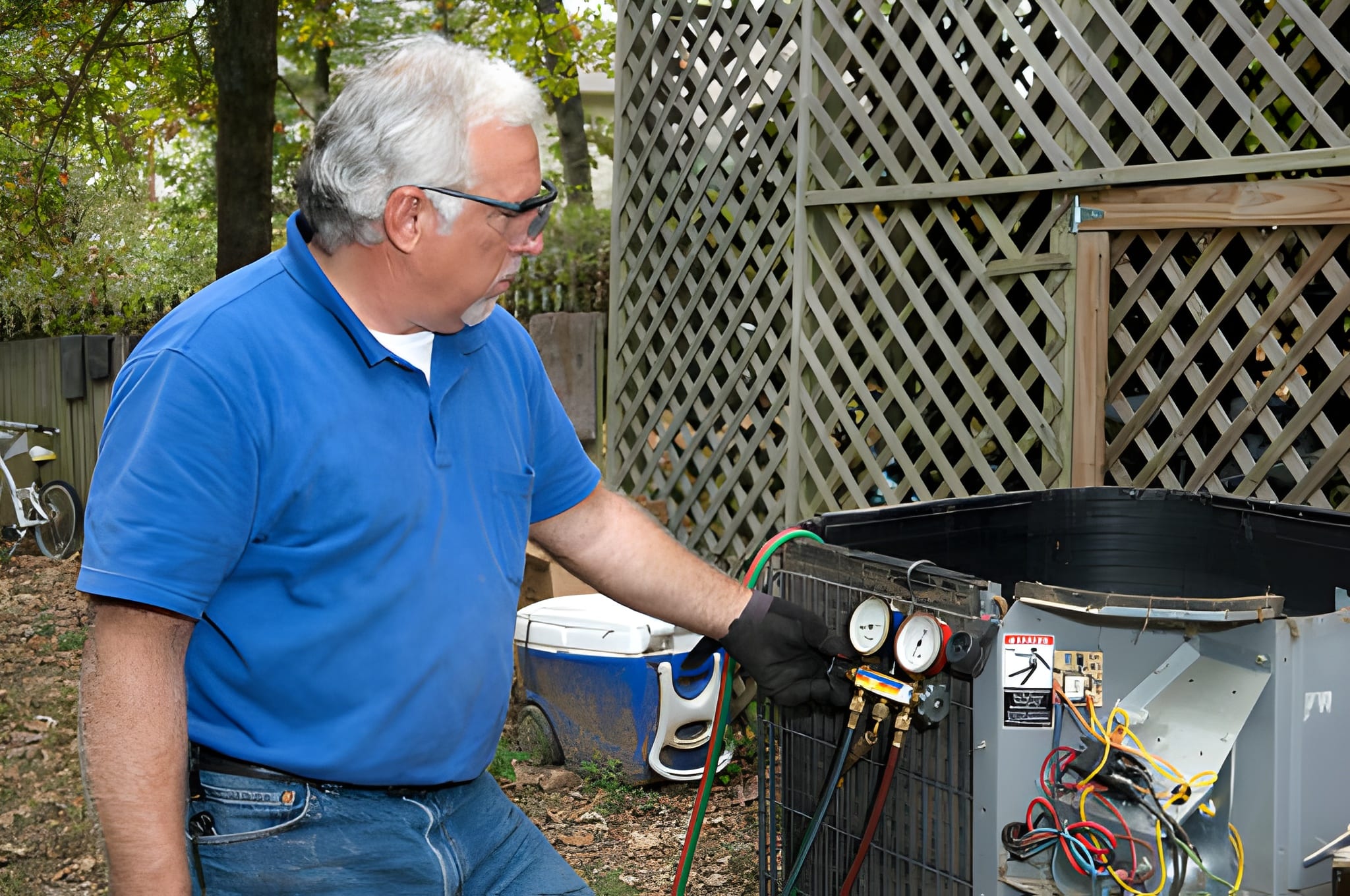
AC Tune-Up in Quincy, WA
Keeping your air conditioner tuned and ready is one of the most reliable ways to avoid mid-summer breakdowns, cut cooling costs, and extend equipment life. In Quincy, WA, where hot, dry summers, seasonal dust from nearby agriculture, and occasional wildfire smoke increase system strain and indoor air quality concerns, a comprehensive AC tune-up is essential to maintain comfort and efficiency.
What an AC tune-up includes
A professional AC tune-up covers inspection, cleaning, calibration, and basic repairs to restore safe, efficient operation. Typical tasks performed during a full service include:
- Visual and safety inspection
- Check system for signs of wear, corrosion, refrigerant leaks, and debris around the condenser.
- Verify safety controls and condensate drain integrity to prevent water damage.
- Change or inspect air filter
- Replace or recommend the appropriate filter type. A clean filter improves airflow and indoor air quality.
- Clean condenser and evaporator coils
- Remove dust, dirt, and agricultural fine particulates from outdoor condenser coils and indoor evaporator coils where accessible. Clean coils restore heat transfer efficiency.
- Check refrigerant level and system pressures
- Measure refrigerant pressures, compare to manufacturer specs, and identify leaks if levels are low. Proper charge is vital for cooling capacity and efficiency.
- Tighten electrical connections and test components
- Inspect and tighten all electrical connections, test capacitors, contactors, relays, and circuit boards for proper function and load.
- Lubricate moving parts
- Lubricate motors and fan bearings where applicable to reduce friction and wear.
- Measure airflow and temperature split
- Test supply and return temperatures to confirm correct temperature differential and airflow through the system.
- Thermostat calibration and control check
- Ensure thermostat accuracy, check programming and sensor operation, and verify control signals.
- Inspect ductwork and registers
- Identify obvious duct leaks, blockages, or closed registers that reduce system performance.
- Condensate drain cleaning
- Clear and test the condensate drain to prevent clogs, backups, and microbial growth.
- Provide documented inspection findings
- Deliver a written service report summarizing measurements, observations, and recommended next steps.
Why a tune-up matters in Quincy, WA
Quincy’s agricultural surroundings and arid summer climate create conditions that speed up coil fouling and increase airborne dust. Systems working hard through long cooling seasons are more likely to experience:
- Reduced efficiency from dirty coils and clogged filters
- Short cycling or stress on compressors from incorrect refrigerant charge
- Poor indoor air quality during dust or smoke events
- Unexpected mid-season failures during peak demand
Regular tune-ups help address these local challenges by keeping heat-exchanging surfaces clean, ensuring proper refrigerant charge, and catching small problems before they become costly failures.
Expected performance improvements
After a comprehensive tune-up homeowners in Quincy typically notice measurable benefits:
- Improved energy efficiency: Proper cleaning, refrigerant charge, and electrical adjustments commonly restore 5–15% of lost efficiency, lowering monthly cooling costs.
- More consistent comfort: Correct airflow and thermostat calibration reduce hot and cold spots and improve steady indoor temperatures.
- Fewer breakdowns: Catching worn capacitors, loose connections, and marginal components reduces the likelihood of mid-season failures.
- Extended equipment life: Routine lubrication and preventive fixes help compressors and fans run longer and with less stress.
- Better indoor air quality: Clean filters and coils reduce dust recirculation and improve overall air cleanliness — particularly important during dust or smoke events.
Individual results vary depending on system age, condition, and prior maintenance history.
Recommended frequency and timing
- At least once per year: Schedule a full tune-up in spring before the cooling season starts. This timing ensures your system is ready for the hottest months.
- Twice per year for older or heavily used systems: Homes with systems older than 10 years, or properties with heavy summer use, agricultural dust exposure, or frequent wildfire smoke, benefit from a spring and mid-summer check.
- After major events: Arrange an inspection after wildfire smoke, flooding in the mechanical area, or any known refrigerant leak or electrical issue.
Annual preventive maintenance is the baseline for preserving efficiency and warranty compliance for many manufacturers.
Inspection report and follow-up recommendations
A professional tune-up should come with a clear, itemized report. Typical elements include:
- A checklist of tasks performed and components inspected
- Measured values: return/supply temperatures, temperature split, system pressures, and amp draws
- Photographic evidence of critical findings (coils, wiring, drainage)
- A prioritized list of recommended repairs or replacements (safety, efficiency, comfort)
- Estimated timelines for suggested follow-ups (immediate safety items vs. elective efficiency upgrades)
- Notes on parts replaced during the tune-up and warranties associated with those parts
Reports help homeowners make informed decisions — for example, whether to replace a failing capacitor now to avoid a compressor burnout later, or to postpone elective upgrades until a scheduled replacement.
Typical tune-up process and diagnostics
A tune-up appointment generally follows a consistent workflow:
- Pre-check: Confirm system runtime history and homeowner concerns; set thermostat to cooling.
- Safety shutdown and visual inspection: Power down as needed and inspect all accessible components.
- Filter and coil service: Replace filter; clean outdoor coil and reachable indoor coil areas.
- Electrical and mechanical checks: Tighten connections, test capacitors and motors, lubricate moving parts.
- Refrigerant and performance diagnostics: Measure pressures, temperature split, and airflow; compare against specs.
- Functional test: Run the system through a full cooling cycle and observe starting behavior, noise, and cycling.
- Report delivery: Provide written findings, measured data, and recommended next steps.
Most tune-ups are completed within 60 to 90 minutes for a standard residential split system, longer if additional diagnostics or repairs are required.
Scheduling and appointment preparation
Scheduling is typically handled through the company’s maintenance appointment channels and is busiest in spring and early summer when homeowners prepare for peak cooling demand. Typical considerations:
- Spring bookings generally offer the best availability and avoid wait times during heat waves.
- Prepare the service area by clearing debris around the outdoor condenser and ensuring attic or closet access is unobstructed.
- Note any recent changes in system performance, noise, or odors so the technician can prioritize diagnostics.
- Expect the technician to need thermostat access and a brief history of any previous issues.
Appointments may be offered with routine windows to accommodate homeowner schedules; same-day availability can be limited during high-demand periods.