AC Tune-Up in Palisades, WA

Scroll down to discover more
AC Tune-Up in Palisades, WA
A seasonal AC tune-up is the single best preventive step homeowners in Palisades, WA can take to keep cooling systems reliable, efficient, and ready for summer heat. With warm, often dry summers, springtime dust and occasional wildfire smoke, Palisades homes place extra strain on air conditioners. A professional tune-up identifies small issues before they become breakdowns, restores peak performance, and documents system condition so you can plan repairs or replacements on your schedule.
Why a seasonal AC tune-up matters in Palisades, WA
- Palisades’ hot daytime temperatures and dusty, low-humidity conditions encourage dirt buildup on coils and filters, reducing efficiency and increasing run times.
- Wildfire smoke and seasonal pollen can clog filters and contaminate indoor air, making timely inspection and filter servicing essential.
- Preventive maintenance lowers the risk of mid-summer failures when repair wait times and demand for technicians rise.
Common AC problems we check for in Palisades homes
- Weak or uneven cooling due to dirty coils or restricted airflow
- Short cycling caused by electrical issues, improper refrigerant levels, or thermostat calibration errors
- Reduced efficiency from worn bearings, dried lubricants, or failing capacitors
- Water leaks and clogged condensate drains that can cause indoor water damage
- Refrigerant leaks that reduce capacity and increase compressor wear
- Increased energy bills from degraded system performance
What a professional AC tune-up includes (inspection and maintenance checklist)
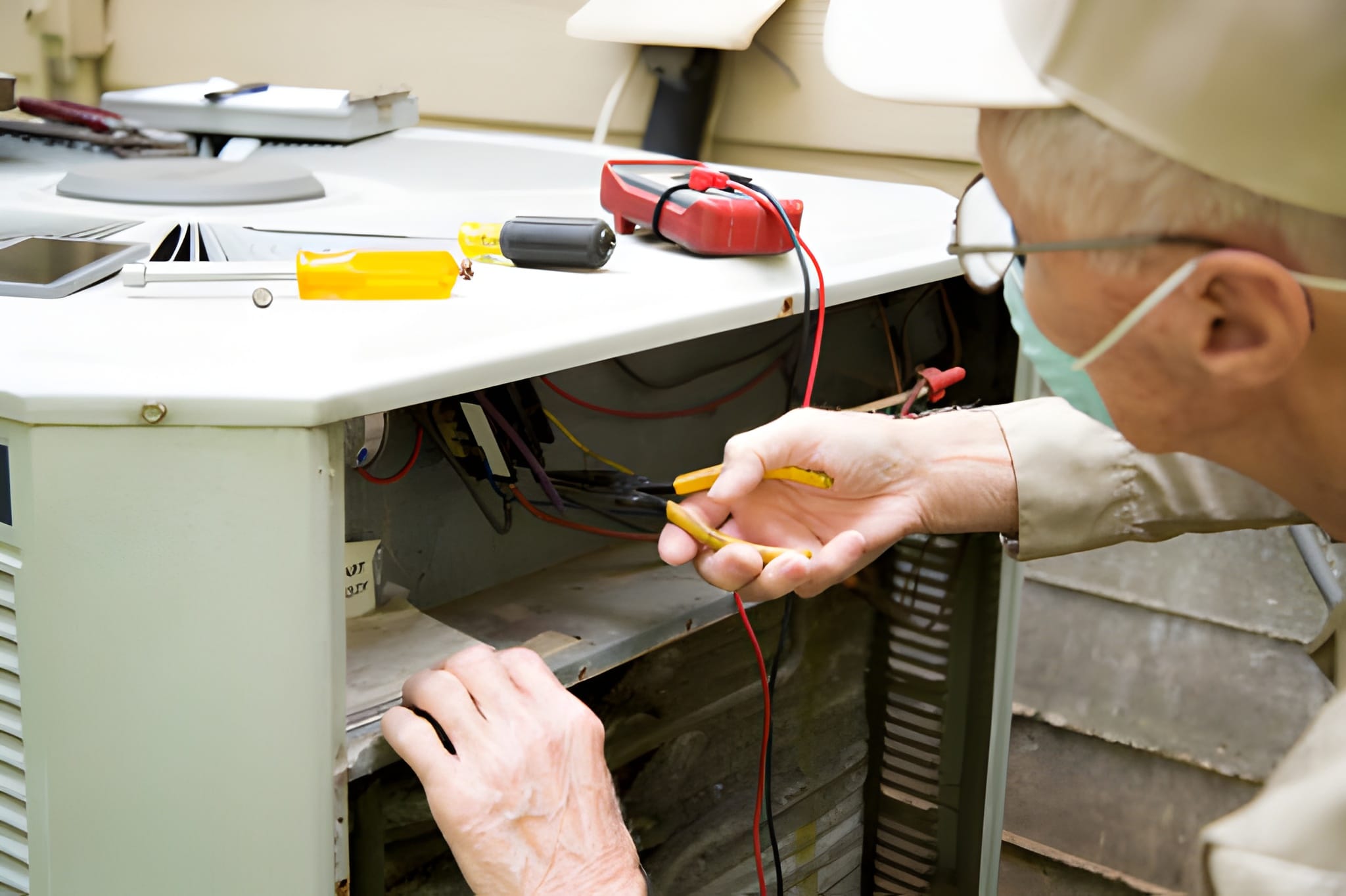
A complete seasonal AC tune-up covers both air handler and outdoor condensing unit components and includes the following core items:
- Visual system inspection for obvious damage, corrosion, or safety concerns
- Cleaning evaporator and condenser coils to restore heat transfer efficiency
- Checking refrigerant levels and system pressures and noting any signs of leaks (refrigerant repair requires separate service)
- Measuring temperature split between supply and return to verify cooling performance
- Lubricating motors and moving parts where applicable to reduce friction and noise
- Tightening electrical connections and testing electrical components (contactors, fuses, capacitors) for safety and reliability
- Thermostat calibration and function check, including setpoint verification and battery replacement if needed
- Filter inspection and replacement recommendation based on type and condition
- Inspecting and clearing condensate drain and pan, and testing float switches
- Inspecting blower assembly and measuring airflow, checking belt condition where used
- Testing compressor and fan operation, including starting amps and run amps where appropriate
- Documenting findings in a detailed inspection report with prioritized recommendations
What you can expect from the tune-up process
- A typical residential tune-up for a single-split system generally takes about 60 to 90 minutes on-site. Older or multi-zone systems, or units requiring deeper cleaning or minor repairs, may take longer.
- The technician will perform standardized checks, measure temperatures and electrical values, and clean accessible components. If a safety issue or a required repair is found, it will be documented and explained with the urgency level.
- After inspection and servicing, you will receive a written report summarizing what was inspected, measured values (temperature split, refrigerant status, electrical test results when taken), any deficiencies found, and recommended next steps.
Expected benefits for reliability, comfort, and efficiency
- Improved cooling performance and comfort: Clean coils and correct refrigerant allow the system to reach set temperatures faster and maintain them consistently.
- Greater energy efficiency: Properly adjusted and clean systems use less electricity, often translating to lower utility bills during peak months.
- Longer equipment life: Routine lubrication, tightened connections, and early problem detection reduce wear on major components like compressors and fans.
- Fewer emergency repairs: Identifying issues early prevents unexpected mid-summer failures when temperatures are highest.
- Safer operation: Electrical checks and condensate inspections reduce fire risk and indoor water damage potential.
- Documentation for planning: A clear inspection report helps prioritize repairs and budget for replacement if the system is nearing end-of-life.
Typical follow-up items and repair scenarios
- Minor items commonly handled after a tune-up: filter replacements, condensate drain clearing, thermostat battery replacement, and re-lubrication.
- Items that usually require an additional visit or parts: refrigerant recharge or leak repair, capacitor or contactor replacement, blower motor replacement, or compressor repairs.
- If a refrigerant leak is suspected, a certified refrigerant service is recommended to locate, repair, and recharge the system in accordance with regulations.
Inspection report and checklist provided to the homeowner
After a tune-up you will receive a clear, easy-to-read inspection report that typically includes:
- A checklist of completed tasks (cleaned coils, tested thermostat, lubricated motors, etc.)
- Measured values and observations (temperature split, electrical readings, refrigerant status)
- Photos or notes documenting any visible wear or damage
- Prioritized recommendations: immediate safety concerns, recommended repairs within the season, and longer-term replacement planning
- Estimated energy or performance improvements to expect after servicing
Best timing and seasonal recommendations for Palisades residents
- Schedule seasonal maintenance in spring (April–May) before the summer cooling season begins; this minimizes downtime and avoids peak service demand.
- If you experienced heavy smoke or pollen seasons, consider an extra mid-summer check for filters and indoor air quality components.
- For homes used intermittently (vacation or rental properties), perform a tune-up before occupants arrive for the summer and again in the fall for heat pump systems.
Practical homeowner maintenance tips between tune-ups
- Replace or clean filters every 1–3 months depending on use and air quality.
- Keep the outdoor condenser clear of debris, vegetation, and irrigation spray to preserve airflow and prevent corrosion.
- Use a programmable or smart thermostat to avoid unnecessary runtime and reduce strain during peak heat.
- Seal windows and doors and check attic insulation to reduce cooling load on the system.
- During wildfire season, increase filter frequency and consider higher-efficiency filtration to protect indoor air.
A professional seasonal AC tune-up in Palisades, WA gives you a clear snapshot of system health, restores efficiency ahead of warm weather, and reduces the likelihood of uncomfortable, costly breakdowns. The inspection report you receive helps you prioritize repairs and make informed decisions about maintaining or replacing your cooling system.