AC Tune-Up in Dryden, WA

Scroll down to discover more
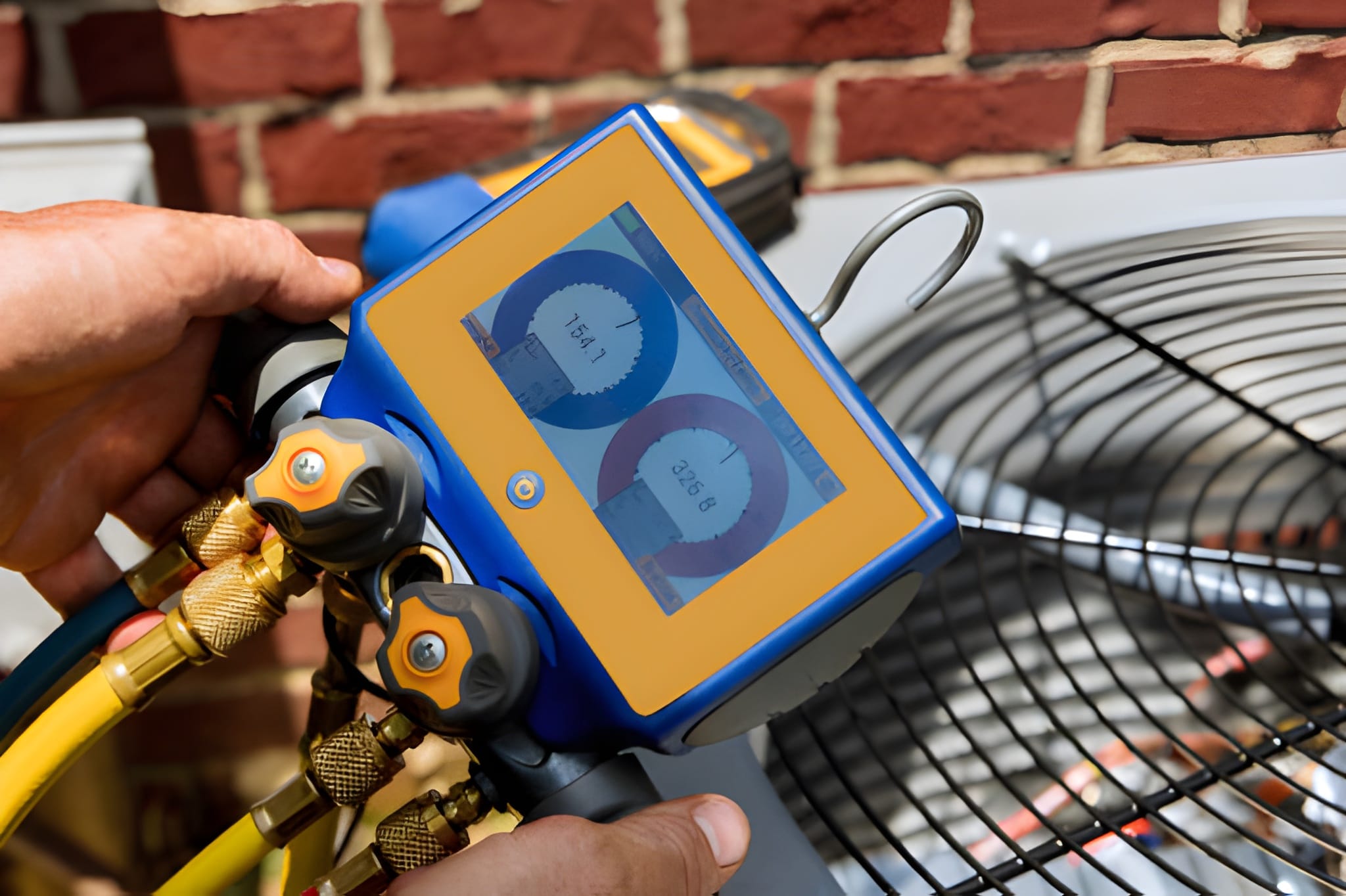
AC tune-ups in Dryden, WA provide preventive maintenance to improve cooling performance, reduce energy use, and extend equipment life. A professional visit follows a safety-driven checklist, including thermostat calibration, electrical inspection, belt lubrication, refrigerant checks, coil cleaning, condensate drain care, and performance testing, with a written summary and recommended repairs. Regular scheduling, ideally annually in spring, with extra visits for heavy use, helps prevent emergencies, lower costs, and maintain comfortable indoor air quality through dusty Dryden summers.
AC Tune-Up in Dryden, WA
Keeping your air conditioning running reliably and efficiently is especially important in Dryden, WA, where dry, hot summers and dusty conditions place extra strain on HVAC systems. An AC tune-up is a focused maintenance visit that uncovers small problems before they become breakdowns, restores peak performance, and documents recommended repairs so you can make informed decisions.
Why an AC tune-up matters in Dryden, WA
Dryden experiences hot, sunny days and seasonal dust and pollen that can clog filters and coils. Homes here may also see higher run times during summer heat waves, increasing wear on motors, belts, and electrical components. Regular tune-ups:
- Improve cooling performance during peak demand
- Reduce energy use and monthly electric costs
- Extend equipment life by preventing accelerated wear
- Improve indoor air quality by keeping coils and drains clear
- Help avoid emergency repairs during the hottest days
Common AC problems in Dryden homes
- Reduced airflow from clogged filters, dirty coils, or failing blower motors
- Short cycling caused by thermostat miscalibration or low refrigerant
- Frozen evaporator coils from restricted airflow or incorrect refrigerant levels
- Noisy operation due to worn belts, loose components, or unlubricated bearings
- Electrical faults and capacitor or contactor failures from heavy summer loads
- Drain clogs and water leaks from buildup in the condensate line
What a professional AC tune-up includes
A thorough tune-up follows a systematic checklist that ensures safety, efficiency, and reliability. Typical items covered during a tune-up visit:
- Thermostat calibration and settings
Verify thermostat accuracy, program schedules (if applicable), and check wiring and batteries to ensure correct on/off cycles and temperature control. - Electrical inspection
Test start capacitors, contactors, breakers, and wiring for wear, voltage issues, and loose connections that can cause failures or unsafe operation. - Lubrication and belt checks
Inspect blower belts and pulleys for wear, tension, and alignment; lubricate motors and bearings where required to reduce friction and noise. - Refrigerant level verification
Measure refrigerant pressures and temperatures to confirm proper charge. Identify leaks or under/over charge conditions that reduce efficiency or damage components. - Coil cleaning (evaporator and condenser)
Remove dirt and debris from both indoor and outdoor coils to restore heat transfer efficiency and prevent icing or compressor strain. - Condensate drain and pan cleaning
Clear the condensate drain line and clean the drain pan to prevent backups, mold growth, and water damage. - Airflow and performance testing
Measure airflow, temperature differentials across the evaporator, and overall system performance to ensure the AC meets manufacturer specifications. - Safety and refrigerant leak checks
Inspect safety controls, high/low pressure cutoffs, and perform leak detection if refrigerant loss is suspected. - Summary report with recommended repairs
Provide a clear report of findings, showing items that are in good condition, components that need monitoring, and recommended repairs with explanations of why they matter.
How the tune-up process works (step-by-step)
- Visual inspection of indoor and outdoor equipment and surrounding area to identify obvious issues.
- Replace or inspect filter and measure static pressure to assess airflow condition.
- Run the system through a complete cooling cycle while measuring thermostat response, airflow, and temperature drop.
- Check electrical components with meters, and test motors and capacitors under load.
- Evaluate refrigerant charge and coil cleanliness; clean coils and clear debris from the condenser area.
- Inspect condensate drain and clear obstructions; treat drain pan if needed.
- Lubricate moving parts, adjust belts, and secure loose hardware.
- Record all readings, diagnostic findings, and recommendations in a written summary report for the homeowner.
Recommended timing and frequency for Dryden homes
- Schedule an AC tune-up annually, preferably in spring before the cooling season begins, to ensure reliable performance during the hottest months.
- Homes with heavy summer use, pets, or high dust exposure may benefit from two visits per year (spring and mid-summer).
- If you notice higher energy bills, inconsistent cooling, unusual noises, or frequent cycling, schedule a tune-up sooner to identify problems early.
Benefits of timely tune-ups
- Lower energy bills by restoring efficiency and reducing run time
- Fewer emergency repairs through early detection of failing components
- Longer equipment life by reducing strain on compressors and motors
- Better comfort with consistent temperatures and improved airflow
- Improved indoor air quality by keeping coils and drains clean and reducing mold growth risk
Typical recommended repairs identified during a tune-up
- Refrigerant leak repair and recharge if levels are low
- Replacement of failing capacitors, contactors, or blower motors
- Belt replacement or blower wheel cleaning to restore airflow
- Condensate line repair or installation of a secondary drain safety switch
- Thermostat replacement or upgrade for better control and efficiencyEach recommended repair includes an explanation of the impact on system reliability and efficiency so you can prioritize work based on budget and urgency.
Practical maintenance tips for homeowners in Dryden
- Replace or clean filters every 1 to 3 months during heavy use months to maintain airflow.
- Keep the outdoor condenser clear of debris, leaves, and grass to promote airflow.
- Shade the outdoor unit if possible without restricting airflow to reduce heat load.
- Monitor energy use and comfort; small changes in performance often indicate the need for service before failure.
Regular AC tune-ups designed for Dryden conditions protect comfort and reduce long-term costs. A complete tune-up delivers measurable test results, clear findings, and a prioritized list of repairs to keep your system running safely and efficiently through every hot spell.