
Heat Pump Replacement in Terrace Park, WA

Scroll down to discover more
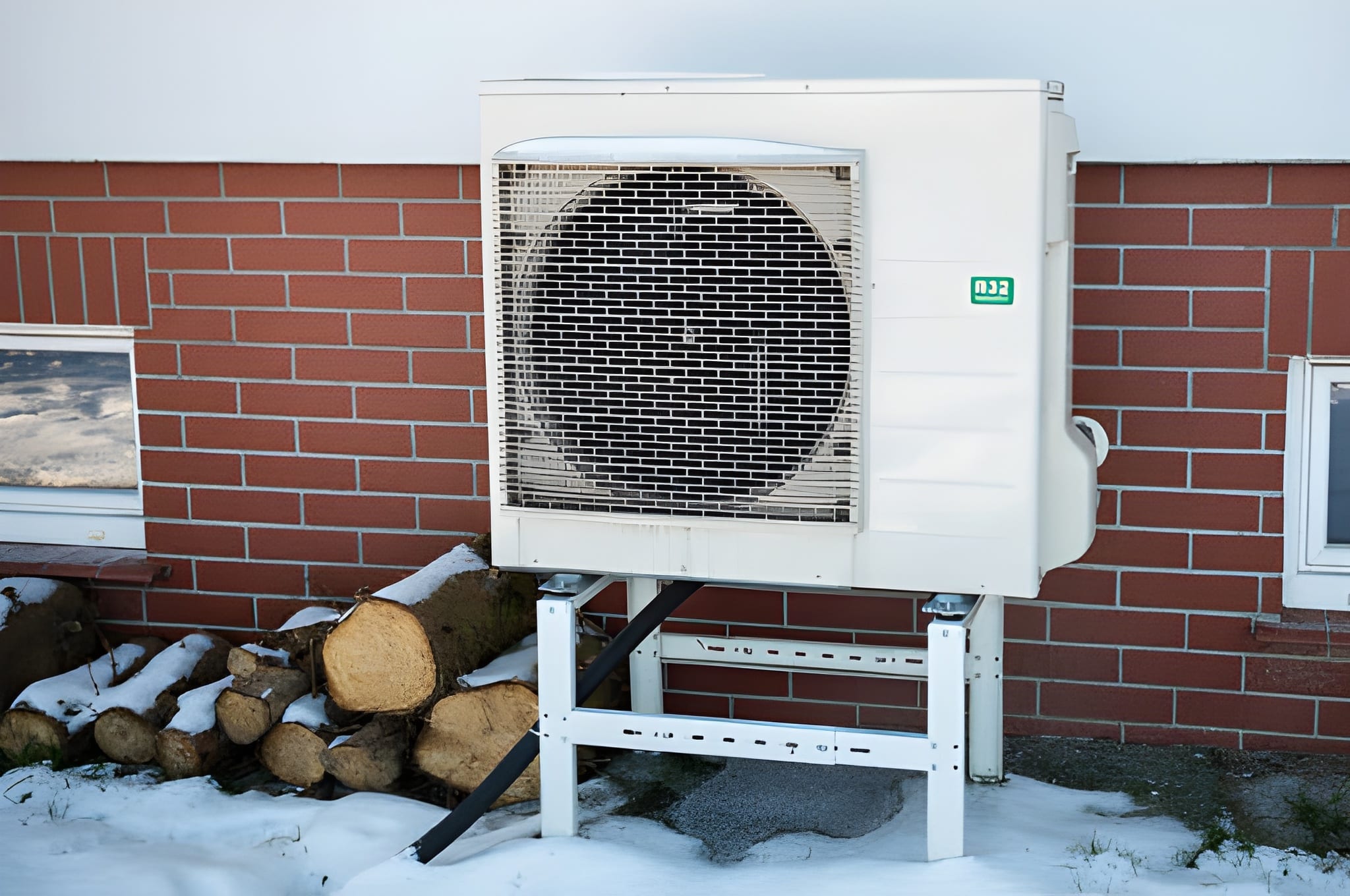
Heat pump replacement in Terrace Park, WA offers improved year-round comfort, energy efficiency, and fewer repairs. The process begins with a full system evaluation to confirm replacement is the best option and to select a properly sized unit, including ductwork and electrical considerations. Expect savings from higher SEER and HSPF, potential duct sealing or resizing, and updated controls. The project typically spans evaluation, permitting, installation, and startup across several days, with disposal, warranties, and maintenance plans provided to protect your investment.
Heat Pump Replacement in Terrace Park, WA
Replacing an aging or failing heat pump is one of the most effective ways to restore comfort, cut energy costs, and reduce repair headaches in Terrace Park, WA homes. With the Pacific Northwest’s cool, wet winters and moderate summers, a properly sized, modern heat pump can deliver reliable year-round heating and cooling with significantly better efficiency than older equipment.
Why replace a heat pump in Terrace Park, WA
Many Terrace Park homeowners depend on heat pumps for heating during long cool seasons and for dehumidified cooling in summer. Common reasons a replacement becomes the right choice include:
- Persistent performance loss or uneven heating across rooms
- Frequent breakdowns and rising service costs
- Systems older than 10 to 15 years, where technology and refrigerants have advanced
- Noticeable increases in energy bills despite routine maintenance
- Refrigerant leaks or compressors that fail repairably
- Desire to improve comfort, reduce noise, or add features like zoning and smart thermostats
Replacing sooner rather than later avoids emergency failures during cold snaps and captures efficiency gains that lower operating costs over the lifetime of a new system.
Initial evaluation and diagnostics
A responsible replacement begins with a full system evaluation to confirm that replacement is the best option and to determine the right new system:
- Visual inspection of outdoor unit, air handler/furnace, ductwork, electrical connections, and thermostat
- Measurement of airflow, static pressure, and temperature split to assess distribution problems
- Refrigerant level and leak checks, compressor and reversing valve diagnostics
- A Manual J load calculation for your Terrace Park home to size capacity properly, taking into account insulation, window area, and local climate loads
- Review of existing duct condition, insulation, and zoning to determine necessary upgrades
This inspection typically takes 60 to 120 minutes and yields a clear recommendation and comparison of replacement options.
Comparing replacement options and expected efficiency gains
Modern heat pumps offer significant performance advances versus older models. Key comparisons include:
- Efficiency ratings: SEER for cooling and HSPF (or COP) for heating. Newer units often show 20% to 50% higher efficiency compared with 10–15-year-old units depending on model and operating profile.
- Cold-climate performance: In Terrace Park where winter temperatures are often cool, cold-climate heat pumps maintain capacity at lower temperatures and deliver better COPs than standard models.
- Inverter-driven variable-speed compressors: Improve comfort with more consistent temperatures, quieter operation, and better humidity control.
- Integrated smart controls and zoning: Allow precise control room-to-room, maximizing comfort and further reducing energy waste.
While exact savings vary by home and usage, many homeowners see substantial reductions in seasonal energy use and more consistent comfort, particularly during shoulder seasons.
Ductwork and infrastructure updates
A heat pump replacement can be straightforward or require additional work depending on the condition of your distribution system:
- Duct sealing and insulation: Leaky ducts common in older homes reduce efficiency and comfort; sealing and adding insulation often yield immediate performance benefits.
- Modifying duct sizing or adding returns: To accommodate a higher-efficiency system or to enable zoning, ducts may need resizing or additional returns.
- Electrical upgrades: Newer heat pumps can require dedicated circuits, updated breakers, or service panel changes to meet amperage needs.
- Line set and pad/clearance work: Replacing the refrigerant line set, installing a new pad, and ensuring proper outdoor clearance are standard parts of a swapout.
- Condensate and drainage checks: Ensuring proper condensate handling prevents moisture problems inside the home.
Addressing these items during replacement avoids bottlenecks that would limit the new system’s performance.
Replacement process and expected timeline
Typical replacement workflow and timing for Terrace Park homes:
- Evaluation and quote: 1 to 3 days to schedule and prepare a detailed recommendation.
- Permits and ordering equipment: 3 to 10 days depending on permit timelines and equipment availability.
- Installation day(s): Most straightforward heat pump replacements take 1 to 2 days. Jobs that include ductwork modifications, electrical upgrades, or multi-zone systems may require 2 to 4 days.
- Startup and commissioning: System testing, refrigerant charge verification, airflow balancing, and thermostat programming are done on-site the final day.
- Disposal and recycling: Old equipment is removed and recycled the same day, including proper recovery of refrigerant and disposal of scrap components.
Permitting requirements and weather can affect timing, so the initial evaluation will provide a realistic schedule for your project.
Responsible disposal and environmental considerations
Proper disposal of the old heat pump is part of a professional replacement:
- Recovery and documented disposal of refrigerant in compliance with EPA and state regulations
- Recycling of copper, steel, and other materials
- Environmentally responsible disposal of any electronic components and insulating materialsThis protects the environment and ensures code compliance.
Warranty and maintenance plans
New heat pumps come with manufacturer warranties that typically cover compressors and major components for a number of years. Common arrangements include:
- Manufacturer limited parts warranty (often 5 to 10 years; compressor warranties may be longer)
- Optional extended warranty or labor coverage available in some cases
- Recommended annual maintenance: cleaning coils, checking refrigerant charge, lubricating moving parts where applicable, inspecting electrical connections, replacing filters, and testing controls
A preventive maintenance plan extends system life, preserves efficiency, and keeps warranty requirements satisfied.
How replacement improves comfort and lowers bills in Terrace Park
Upgrading to a properly sized, modern heat pump delivers multiple homeowner benefits:
- More consistent indoor temperatures and reduced cold spots in winter
- Lower energy consumption and reduced utility bills through improved efficiency
- Quieter operation and better humidity control during damp seasons
- Fewer repair calls and reduced downtime from aging equipment
- Opportunity to modernize controls, add zoning, and improve indoor air quality via better filtration and balanced airflow
In Terrace Park’s climate, replacing a worn-out heat pump with a cold-climate, inverter-driven model often produces the best balance of comfort and seasonal energy savings.