Heat Pump Installation in East Wenatchee, WA

Scroll down to discover more
Heat Pump Installation in East Wenatchee, WA
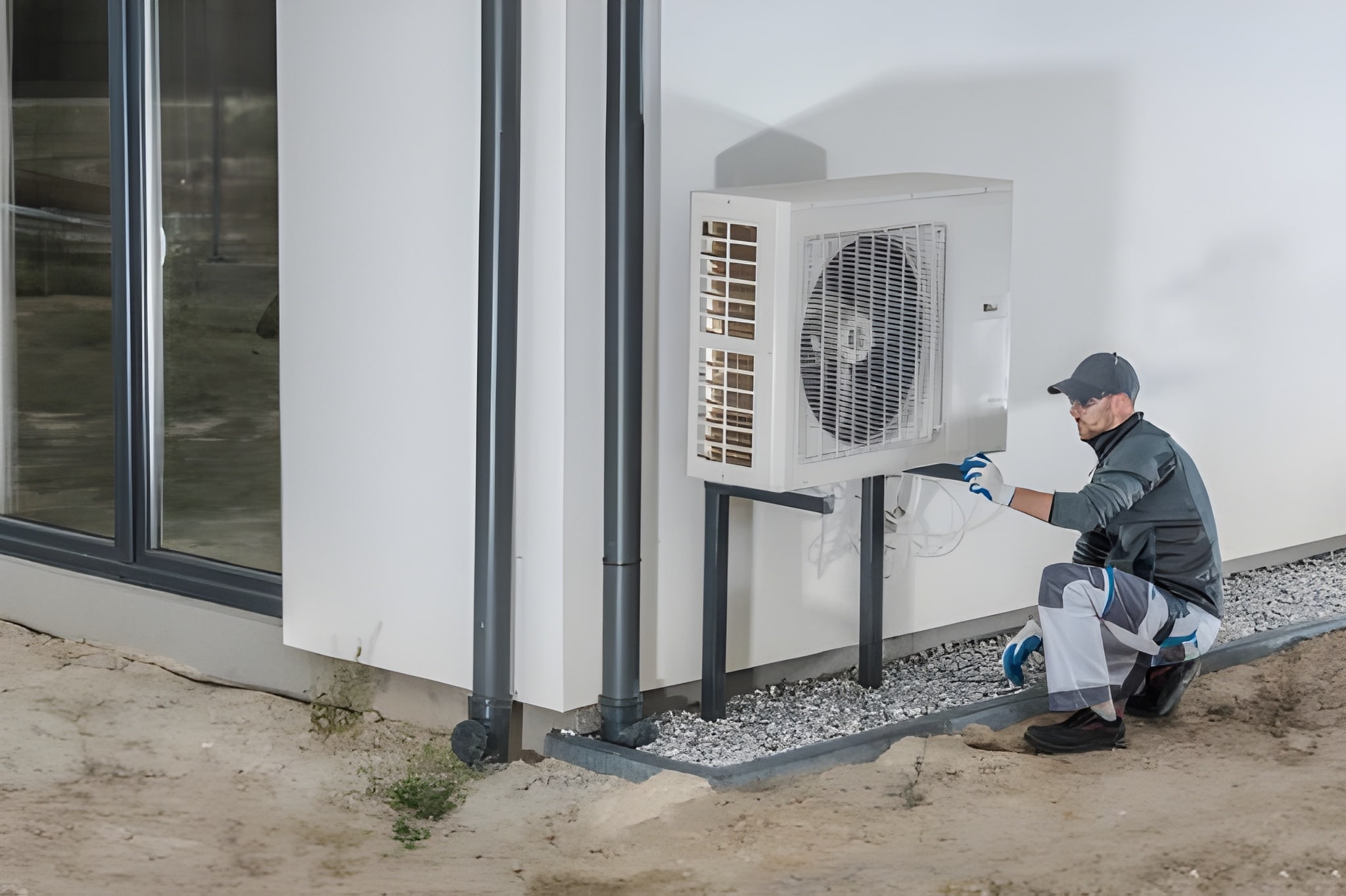
Installing a heat pump in East Wenatchee, WA is one of the most effective ways to improve year‑round comfort while lowering heating and cooling costs. East Wenatchee’s hot, dry summers and cool winters make heat pumps especially modern high‑efficiency and cold‑climate models an attractive choice for homes that need efficient cooling in summer and reliable, electric heating through winter.
Why a heat pump makes sense in East Wenatchee
- East Wenatchee’s seasonal temperature swings mean many homes benefit from a single system that both heats and cools efficiently.
- Low‑humidity summers let heat pumps run at high efficiencies; modern variable‑speed units maintain comfortable indoor temperatures with fewer temperature swings.
- Electrification incentives at state and utility levels often make heat pumps more affordable than replacing aging gas or electric resistance systems.
Common heat pump types for East Wenatchee homes
- Air‑source heat pumps (ASHP): Best for most single‑family homes with existing ductwork.
- Ductless mini‑splits: Ideal for additions, older homes without ducts, or room‑by‑room control.
- Cold‑climate heat pumps: Designed for reliable performance on colder winter nights common in the Wenatchee Valley.
- Hybrid systems: Combine a heat pump with a gas furnace for homes seeking redundancy or peak‑load support.
Initial consultation and load calculations
A professional installation begins with an on‑site consultation and precise load calculation (Manual J). This determines the correct system size by assessing:
- Square footage and ceiling heights
- Insulation levels, window types, and air leakage
- Home orientation and solar gain (important during East Wenatchee summers)
- Occupant patterns and desired indoor temperatures
Correct sizing prevents short cycling, ensures comfort, and maximizes efficiency. Oversized units can reduce dehumidification and increase energy use; undersized units struggle on the coldest days.
Selecting energy‑efficient models and system compatibility
When evaluating models, consider:
- SEER and HSPF ratings: Higher SEER (cooling) and HSPF (heating) numbers mean better efficiency. For East Wenatchee, prioritize models with strong cold‑weather performance.
- Variable‑speed inverter compressors: Provide smoother temperature control, quieter operation, and improved part‑load efficiency.
- Matched indoor and outdoor components: Ensures the system meets manufacturer performance and warranty conditions.
- Controls and zoning: Smart thermostats and zoning allow per‑room comfort and can reduce overall energy use.
A qualified installer will explain compatibility with existing ductwork or recommend ductless solutions where ducts are impractical.
Site preparation: ductwork, electrical, and placement
Proper site preparation reduces installation time and future problems:
- Ductwork inspection and sealing: Duct leakage or improper sizing undermines performance. Upgrades or balancing may be recommended.
- Electrical capacity and panel upgrades: Heat pumps may require upgraded breakers or a dedicated circuit. Local electrical codes and Chelan County requirements determine specifics.
- Outdoor unit placement: Requires level, well‑drained pad, adequate clearances, and consideration for winter snow, summer sun exposure, and noise.
- Refrigerant line routing and condensate: Planning ensures neat line sets, proper insulation, and correct condensate disposal.
Permitting and code compliance are handled before work begins. Installers pull necessary permits, follow Washington state and local Chelan County codes, and ensure certified refrigerant handling.
Step‑by‑step installation and expected timelines
Typical timeline for a full heat pump installation (single‑family home):
- Day 1: Final measurements, site prep, and any duct or electrical rough work
- Day 2: Outdoor unit placement, indoor air handler or furnace tie‑in, line set installation, electrical connections
- Day 3: System charging, initial startup, controls setup, and commissioning
Smaller ductless installs can often be completed in a day; larger whole‑home replacements or homes that require duct upgrades may take several days. Installers will provide a clear schedule based on scope.
Installation steps include:
- Removing existing equipment (if applicable)
- Preparing mounting locations and any duct or electrical modifications
- Installing outdoor condenser/compressor and indoor air handler or heads
- Running and brazing refrigerant lines, electrical conduit, and condensate
- Evacuating and charging the refrigerant circuit per manufacturer specs
- Configuring controls and thermostats
- Commissioning and performance testing
Commissioning, testing, and post‑installation verification
Post‑installation tests confirm the system operates as intended:
- Pressure and leak checks on refrigerant lines
- Measured refrigerant charge and superheat/subcooling verification
- Airflow measurements, temperature split tests, and static pressure checks
- Sound level assessment and vibration isolation
- Thermostat calibration and operational walkthrough with the homeowner
Installers should provide a commissioning report documenting readings and settings. Expect a demonstration on operation and basic maintenance tasks.
Permits, rebates, financing, and warranties
- Permits: Local permits are typically required; installers coordinate inspections with Chelan County and East Wenatchee authorities.
- Rebates and incentives: Homeowners in East Wenatchee may qualify for utility rebates through Chelan County PUD, Washington state programs, and federal tax credits. Eligibility and program details vary, so confirm current incentives during the planning stage.
- Financing: Many providers offer financing to spread upfront costs. Discuss options that match project scope and timelines.
- Warranties: Typical coverage includes manufacturer warranties on compressors and major components, plus installer labor warranties. Manufacturers often require system registration for full warranty protection.
Maintenance recommendations and long‑term benefits
Routine maintenance keeps a heat pump operating efficiently and extends service life:
- Replace or clean filters every 1–3 months
- Annual professional tune‑ups to check refrigerant charge, controls, and airflow
- Seasonal checks of outdoor unit clearances and condensate drains
- Timely repairs to preserve warranty coverage
Long‑term benefits for East Wenatchee homes include lower seasonal energy bills, improved year‑round comfort, better humidity control in summer, and reduced carbon footprint compared with older fossil fuel systems.